
- Proactive Fleet Management: International air carriers are actively adjusting specific flight routes and seasonal schedules to maximize fleet availability and maintain high operational efficiency during peak demand windows.
- Real-Time Digital Solutions: Travelers can easily bypass terminal confusion by utilizing direct mobile applications, which offer up-to-the-minute status notifications and automated rebooking options.
- Long-Term Infrastructure Modernization: The rollout of advanced biometric and digital border verification systems across major European entry points is designed to enhance international security and streamline passenger processing.
- Positive Industry Outlook: Despite temporary logistical fine-tuning, global tourism demand remains resilient, with airlines and destination resorts projecting record passenger volumes for the summer season.
The global aviation landscape is witnessing a massive surge in summer travel, prompting airlines and airports across Europe to aggressively optimize their operational schedules. While recent network adjustments and localized labor negotiations have led to isolated flight modifications, industry leaders view this as a necessary phase of alignment to handle record-breaking passenger volumes. Major international hubs are actively coordinating with regional carriers to streamline transits, ensuring that the vast majority of holiday journeys proceed smoothly and efficiently.
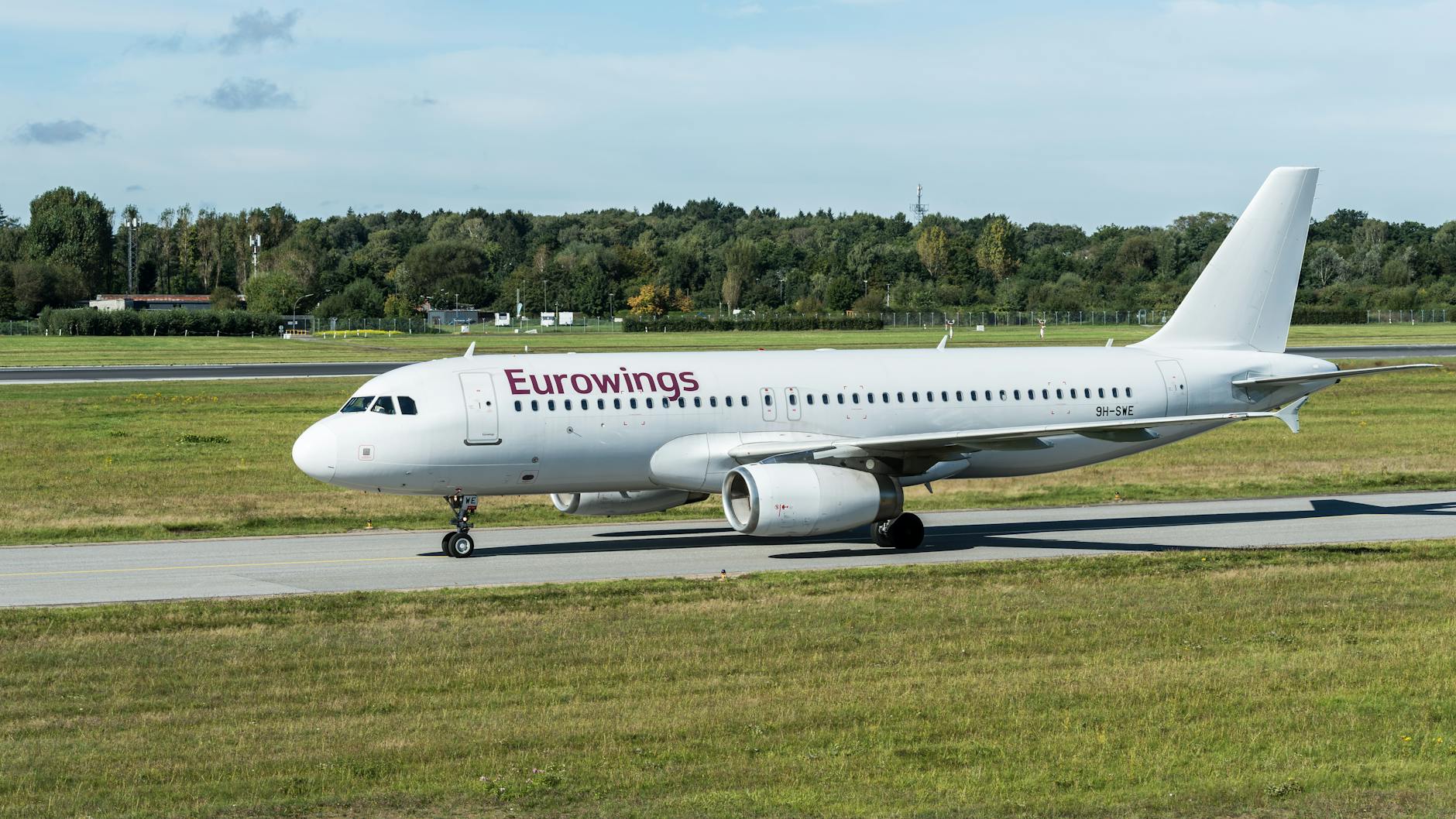
This proactive management strategy comes at a time when consumer confidence in international vacations is at an all-time high. To mitigate potential bottlenecks during peak travel hours, premium airlines including Lufthansa, KLM, and Air France are utilizing advanced digital communication tools to keep passengers informed in real-time. By providing instantaneous updates via dedicated mobile applications, carriers are successfully empowering travelers to navigate busy terminals with ease and confidence.
Furthermore, the introduction of modernized infrastructure systems, such as the European Union’s updated digital border control frameworks, is set to significantly improve long-term airport efficiency and security protocols. While the implementation phase requires brief adjustments to traditional processing timelines, the transition ultimately promises a more secure, seamless, and high-tech transit experience for global explorers. Tourism boards and aviation networks remain highly optimistic, projecting an incredibly successful and robust summer season as the industry sets new benchmarks for global connectivity.