
- Outdoor hospitality generated a 66 billion dollar economic impact through local community spending in 2025.
- Over 52 million North American households are actively camping, surpassing levels seen before the pandemic.
- A major shift toward analog camping shows 77 percent of travelers prioritize nature over structured amenities.
- Campgrounds are serving as vital social hubs, with 75 percent of campers viewing them as essential community spaces
Outdoor hospitality is entering a vibrant new phase as Kampgrounds of America, Inc. releases its 12th Annual Camping and Outdoor Hospitality Report. The 2026 data reveals a significant economic footprint, with camping contributing 66 billion dollars in local community spending across North America. With over 52 million households participating, the industry has transitioned into a mainstream travel pillar that prioritizes mental restoration and genuine human connection. This “Open Road Era” is marked by a return to simplicity, where travelers increasingly choose analog experiences to recharge away from the pressures of modern technology.
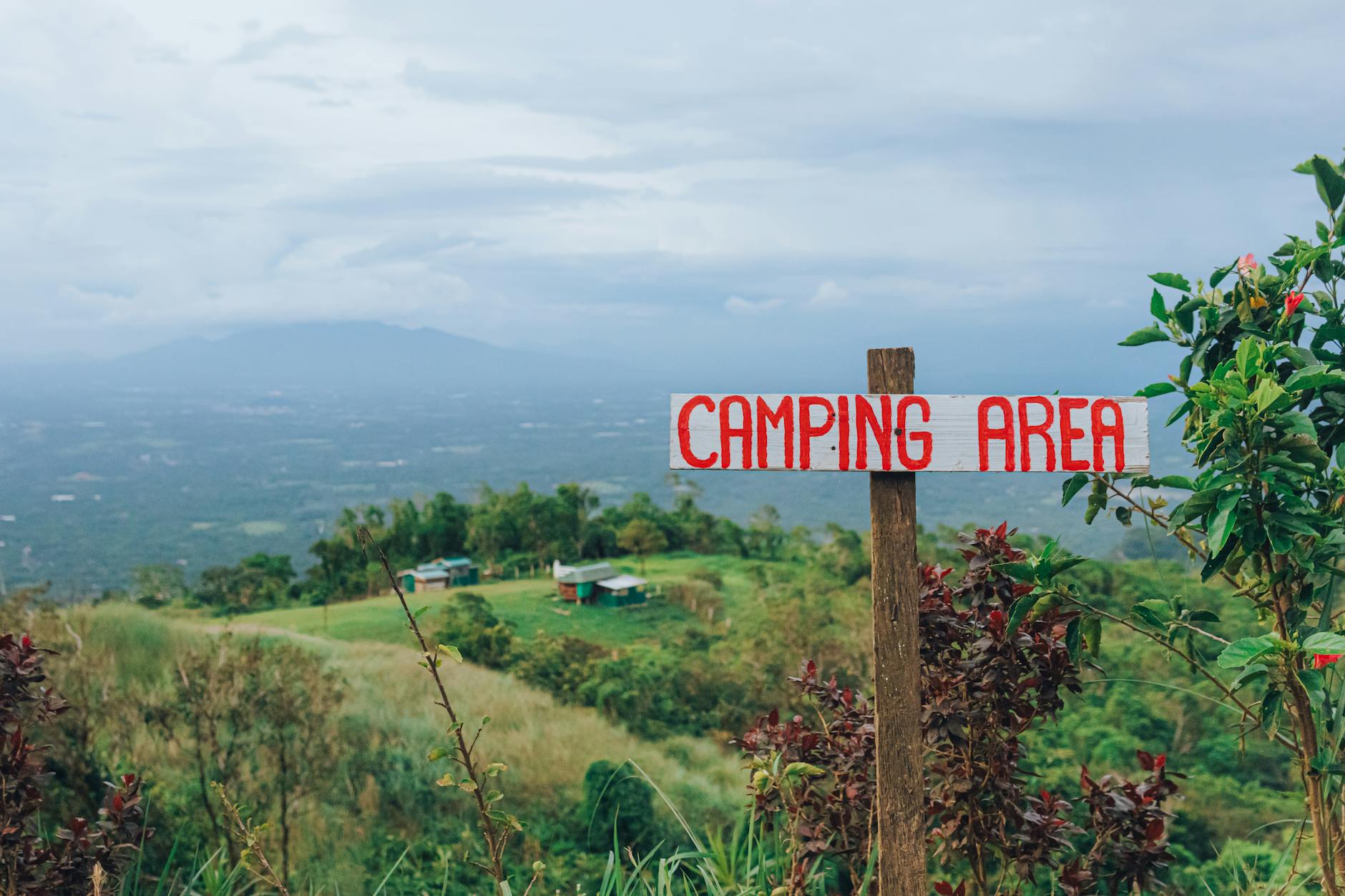
The report highlights a major shift toward unstructured outdoor wellness, with 77 percent of campers agreeing that simply being in nature provides a sufficient health intervention. Rather than seeking curated entertainment, 49 percent of respondents now book trips specifically to improve their mental wellbeing. This trend is complemented by the rise of campgrounds as modern “third places” where people find community. Interestingly, the report reflects a diverse participant base, noting that results were statistically balanced across various ethnicities to reflect the broader population. Younger generations, particularly Gen Z, are finding lasting social bonds in these settings, with 43 percent maintaining long-term contact with fellow travelers.
Economic engagement remains strong, with average daily spending reaching over 200 dollars per person. Glamping continues to be a vital entry point for newcomers, accounting for nearly one-third of first-time experiences. As travelers look toward 2026, many are planning ambitious road trips tied to major cultural milestones like the Route 66 Centennial. This renewed passion for the outdoors across all generations, including a strong return of experienced Boomers, ensures that camping remains an affordable and approachable travel option for families. By focusing on accessibility and natural beauty, the outdoor hospitality sector is successfully positioning itself as an essential resource for health, community, and economic growth.