
Important Topics To Know
- Strategic Market Positioning: Boeing currently meets cargo demand through the 767-300F and the 777-8F, which serve different payload niches than a 787 freighter would.
- Logistical Infrastructure: The 767-300F is highly valued by major carriers because its wingspan fits perfectly into established parking and sorting spaces at global hubs.
- Future Production Shifts: With 767-300F production scheduled to conclude in 2027, the door may open for a 787 freighter to enter the market as a modern replacement.
- Advanced Cargo Design: The Airbus A350F and Boeing 777-8F are specifically designed to replace aging 747-400Fs, focusing on massive payloads and long-range efficiency.
The aviation world is buzzing with excitement as Boeing and Airbus continue to push the boundaries of aircraft design and cargo capabilities. While Airbus has successfully launched the A350F, Boeing’s strategy remains focused on its incredibly popular and profitable 767-300F and the upcoming 777-8F. The decision not to produce a 787 freighter just yet reflects Boeing’s thoughtful approach to market demand and the unique needs of cargo operators who value the reliability and established logistics of existing models.
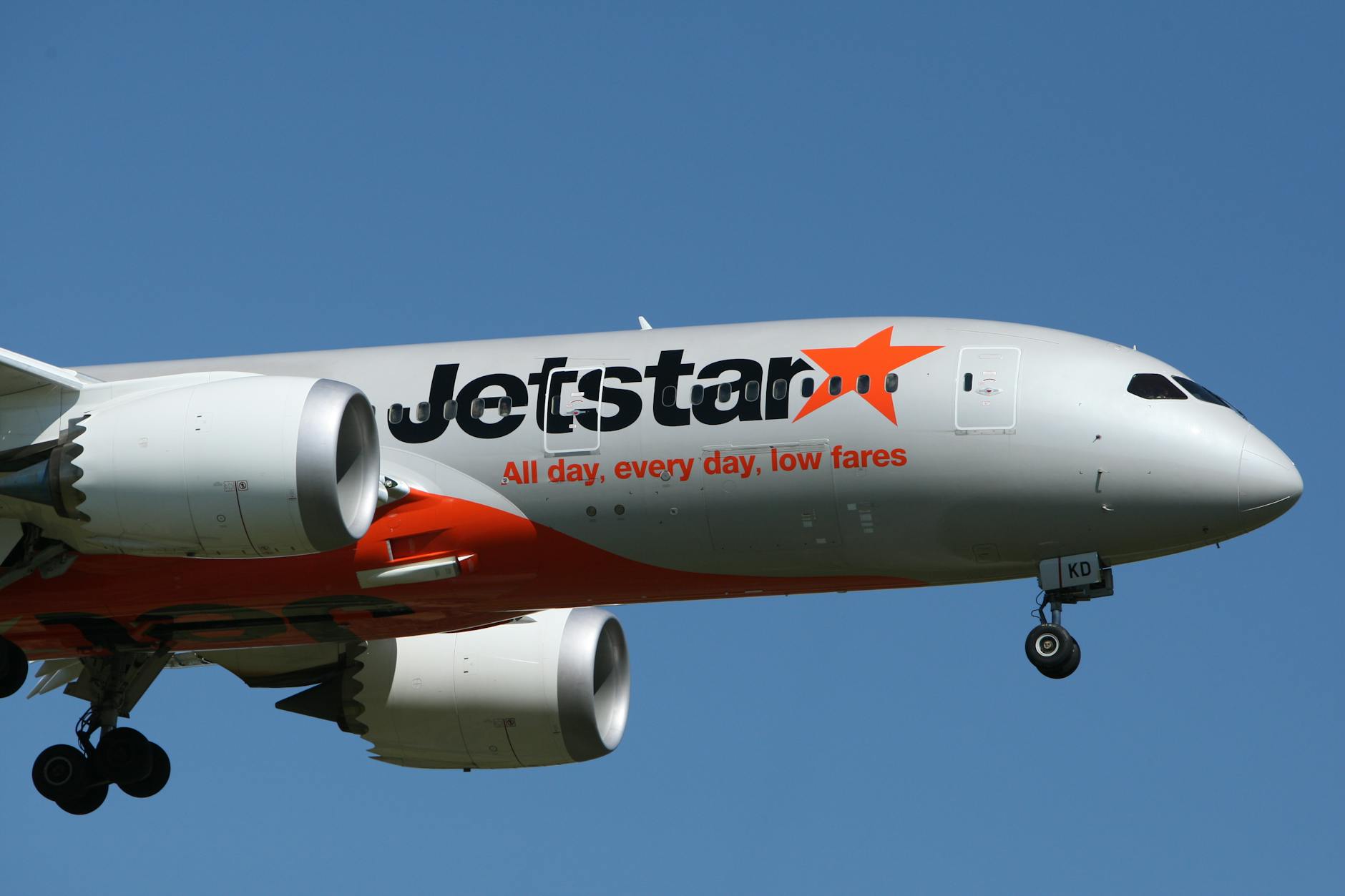
The 787 Dreamliner remains a crown jewel of passenger travel, celebrated for its efficiency and carbon-composite structure. In the cargo sector, the 767-300F continues to be a favorite for major carriers like FedEx and UPS because its specific dimensions fit perfectly into existing hub infrastructure. This consistency allows airlines to maximize their current operations while Boeing prepares for the next generation of freight. Furthermore, the 777-8F is set to be a powerful successor in the heavy-payload market, offering a modern alternative for those replacing older widebody freighters.
Looking ahead, the possibility of a 787 freighter remains a bright spot for the future of aviation. Boeing has already designed the Dreamliner with potential cargo conversions in mind, ensuring the airframe is ready when the market timing is just right. As the industry evolves and production schedules shift, the transition to more advanced freighter models will happen naturally, ensuring that global trade continues to move swiftly and efficiently. The current landscape is a testament to the healthy competition and innovation driving both Boeing and Airbus to deliver the best possible solutions for the skies.