
- Increased Accessibility and Size: Cruising has shifted from an exclusive luxury to a mass-market holiday, with ships doubling in size and capacity.
- Relaxation of Formality: Dress codes have become less rigid, and traditional fixed dining schedules have been replaced by flexible options.
- Technological Advancements: The experience has moved from disconnectivity to full Wi-Fi access, replacing internet cafes and physical photo galleries.
- Destination Development: Private island stops have evolved from basic beaches to fully developed resort destinations with extensive amenities.
The cruise industry has undergone significant transformation over the past 25 years, as noted by travel writer Sarah Swain, who reflects on her experiences since her first voyage in 2001. Initially seen as an exclusive luxury for the few, cruising has become a mainstream and accessible vacation option for millions. This popularity is mirrored in the sheer scale of the vessels. Swain’s first ship, Voyager of the Seas, was the largest in the world at 138,000 gross tonnes. Today, that title is held by Royal Caribbean’s Icon of the Seas, which is nearly double the size at 249,000 gross tonnes and accommodates up to 7,600 passengers, featuring massive attractions like waterparks and Central Park-style gardens.
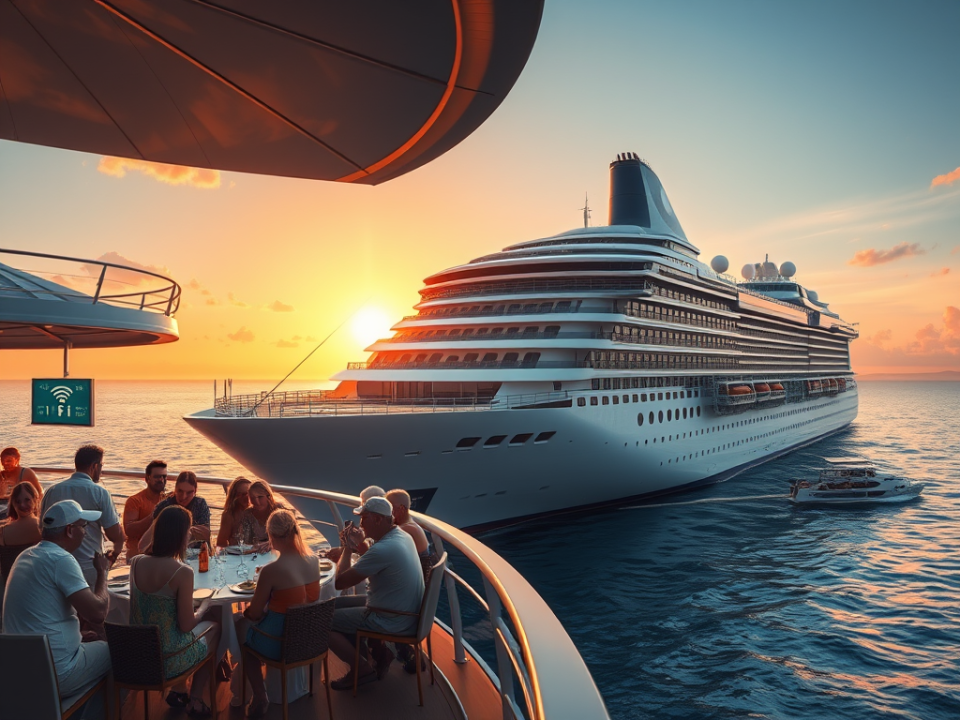
Onboard culture and amenities have also shifted dramatically. The strict formality of the past, where passengers donned gowns and tuxedos for dinner, has given way to a more relaxed atmosphere. Dining has evolved from fixed seating times with the same waiters to flexible “anytime” dining and an array of specialty restaurants that often incur extra costs. The famous midnight buffets, once grand spectacles of ice sculptures and late-night feasting, have largely disappeared. Safety drills have been streamlined; passengers no longer need to physically wear life jackets at muster stations, opting instead for digital check-ins and in-cabin instructional videos.
Technology and destinations have seen perhaps the most profound changes. In 2001, connectivity was scarce, with news of major events like 9/11 reaching passengers via captain announcements and expensive internet cafes. Today, Wi-Fi and mobile connectivity are standard. Private islands, once simple beach stops with sandwiches, have been developed into lavish resorts featuring water parks, private villas, and branded coffee shops, offering a highly curated extension of the onboard experience.