

- Younger generations are driving significant growth in cruise travel and loyalty program engagement.
- Value and flexible payment options are key factors attracting Millennials and Gen Z to cruises.
- Shorter cruises, private island stops, and river cruises are emerging trends with high appeal.
- Loyalty programs are crucial for customer retention and should adapt to multi-generational and group travel needs.
The cruise industry is experiencing a remarkable boom, largely driven by younger generations, making cruise travel an increasingly central part of loyalty programs and customer engagement. Once considered a luxury for special occasions, cruising has evolved into a mainstream vacation option, particularly appealing to millennials and Gen Z due to its perceived value and flexibility. Data from loyalty technology forecasters indicates that cruise travel is rapidly integrating into repeat customer strategies and booking trends.
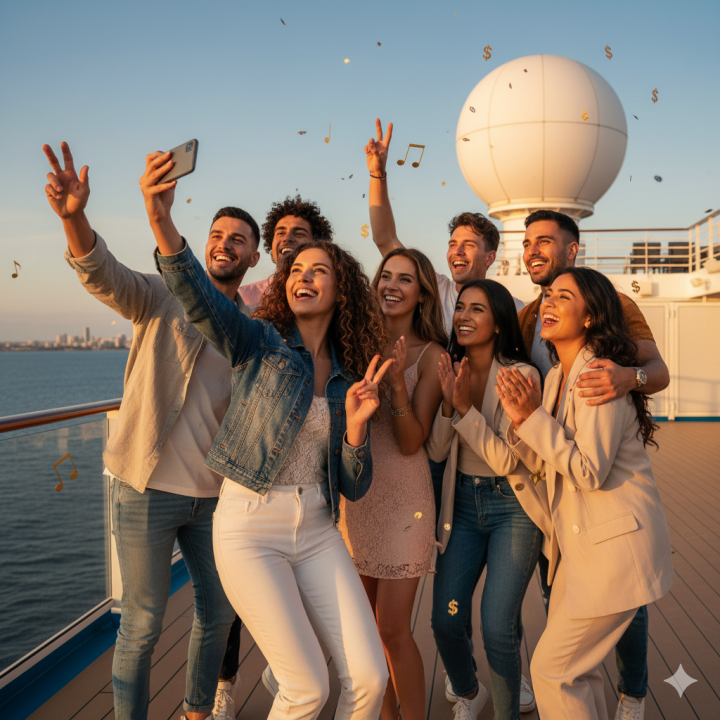
A significant shift in cruiser demographics is underway. Millennials, comprising a growing segment of adult travelers, are demonstrating the highest intent to cruise, with 36% planning a cruise within the next two years. While Baby Boomers currently cruise most frequently, the acute demand in the market is being spearheaded by these younger travelers. This evolving demand signals a broader appeal for cruise travel, prompting travel brands to adapt their offerings to meet varied expectations across all age groups. The value proposition of cruising, especially when compared to traditional land holidays, is a key driver for many travelers. Approximately 40% of respondents would choose a cruise if its value matched or exceeded that of a land-based vacation.
Younger cohorts, particularly Millennials and Gen Z, prioritize simple value, flexible payment plans, deferred payment options, and robust cruise reward programs. This preference highlights a significant market gap that competitive cruise brands are eager to fill by offering more financially flexible options. Emerging trends in cruise travel include a growing interest in shorter 2 to 4-day sailings, which are particularly attractive to younger generations looking to save money and enjoy multiple vacations. Private island stops have also greatly enhanced the appeal of cruise bookings, with over 55% of individuals indicating these unique experiences would make them more likely to book a cruise. River cruising is another expanding segment, catering to 63% of travelers, presenting an opportunity for loyalty programs to engage potential new customers.
The cruise market is also witnessing a pivot towards multi-generational and group travel. Loyalty programs must evolve to support seamless group bookings, split payments, and flexible reward systems to cater to the complexities of larger family and friend alliances. Integrating cruise travel into loyalty programs is essential for engaging brands, boosting revenue, and encouraging customer retention by offering exciting and value-driven travel repeats that cater to diverse traveler demographics. The future of cruise travel is bright, with younger cruisers embracing its value and flexibility, presenting a significant opportunity for loyalty brands to thrive.