
- Completion of First Flight: Validation of vertical takeoff, hover, and core flight systems for the Generation 6 aircraft.
- Regulatory Certification: The Gen 6 model is the primary candidate for FAA type certification for commercial autonomous passenger flight.
- Operational Safety Model: Reliance on all-electric, autonomous systems supervised by ground-based Multi-Vehicle Supervisors.
- Future Testing Phases: Plans to expand testing to higher speeds, altitudes, and complex transition maneuvers to verify structural loads and dynamics
Wisk Aero, a wholly owned subsidiary of Boeing, has officially completed the maiden flight of its Generation 6 aircraft at the flight test facility in Hollister, California. This event represents a critical advancement in the company’s objective to introduce the first certified, autonomous, passenger-carrying electric vertical takeoff and landing (eVTOL) vehicle to the United States market. Wisk currently stands as the sole entity to have designed, constructed, and flown six distinct generations of eVTOL aircraft.
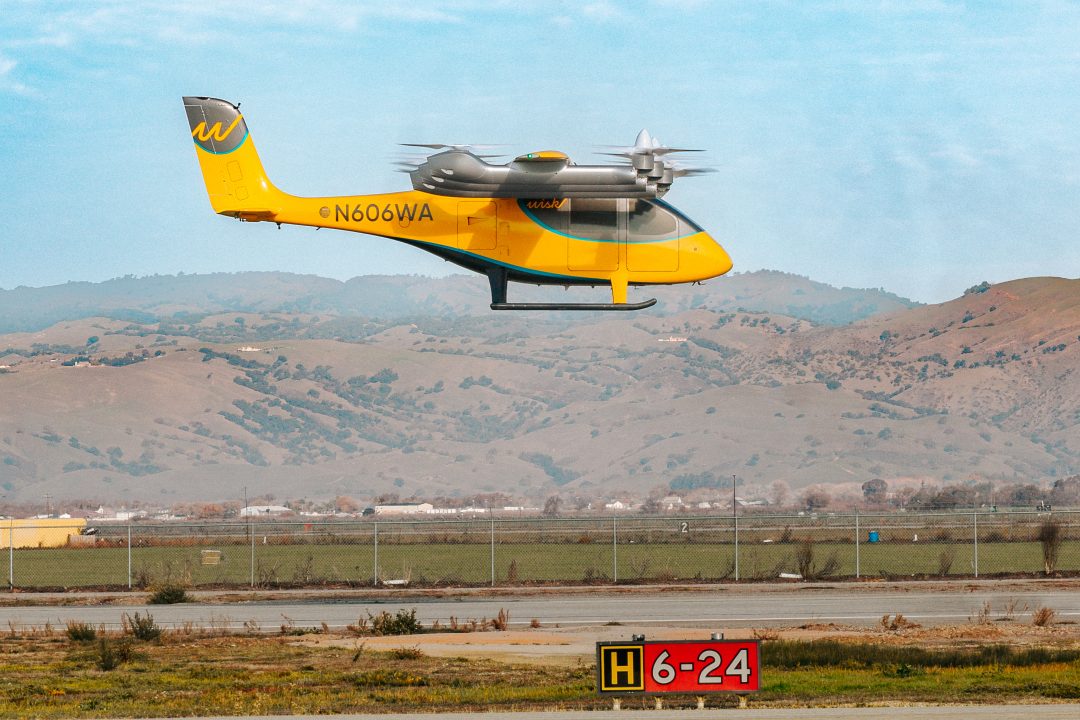
During this initial test, the aircraft successfully executed a vertical takeoff, hover, and stabilized flight maneuvers. These actions validated the fundamental performance of the core flight systems and marked the beginning of a rigorous testing campaign. The Generation 6 aircraft is the specific model currently under review for Federal Aviation Administration (FAA) type certification. Wisk intends to launch commercial services in major metropolitan areas, including Houston, Los Angeles, and Miami.
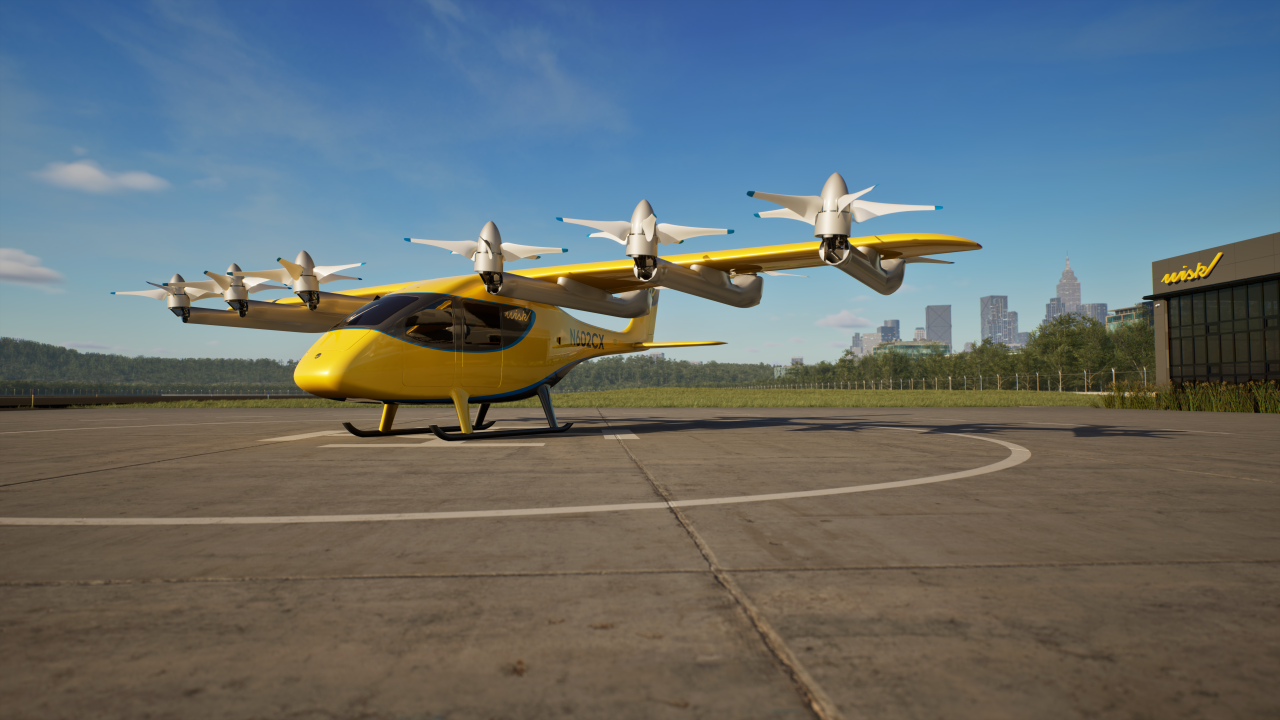
The aircraft operates on an all-electric platform and utilizes a fully autonomous flight system. Safety is maintained through a ground-based Multi-Vehicle Supervisor, a method designed to provide human oversight while ensuring scalability and affordability. This approach leverages data gathered from over 1,750 test flights conducted with previous iterations of the technology.
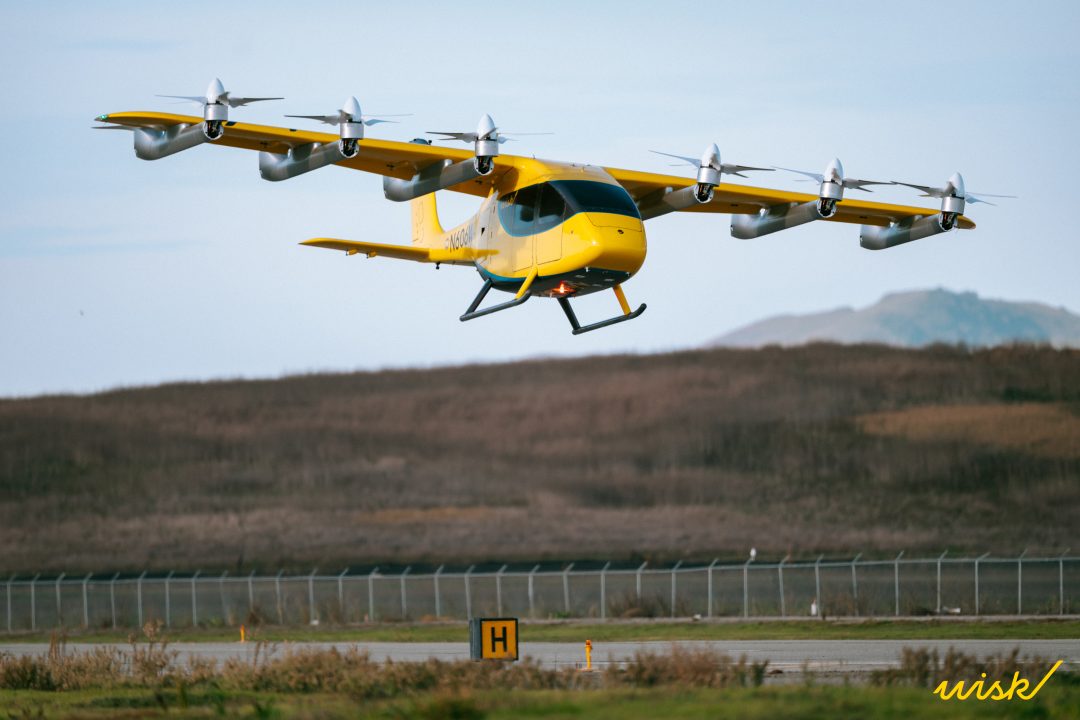
Moving forward, the testing program will focus on validating design and simulation models through increasingly complex operations. Upcoming phases will expand the flight envelope from low-speed stability to higher altitudes and speeds, including longitudinal and lateral transitions. Simultaneously, Wisk continues to develop proprietary autonomy technologies, such as detect-and-avoid systems, while collaborating with partners like the FAA and NASA to integrate these vehicles into the national airspace efficiently.