
- The EU’s new Entry/Exit System (EES) will launch on October 12, 2025, for non-EU travelers entering the Schengen Area.
- The system replaces manual passport stamping with biometric checks, including fingerprints and facial scans.
- The primary goals of the EES are to enhance border security and better regulate the 90/180-day stay rule.
- Travelers should be prepared for the new process and anticipate potential delays during the initial rollout phase.
In an exciting leap forward for international travel, European countries are preparing to launch a new, high-tech Entry/Exit System (EES) on October 12, 2025. This innovative system represents a major step in modernizing border processes for visitors entering the beautiful 29-country Schengen Area. By replacing manual passport stamping with quick and efficient biometric scans, the EES is set to create a more secure and streamlined travel experience for everyone.
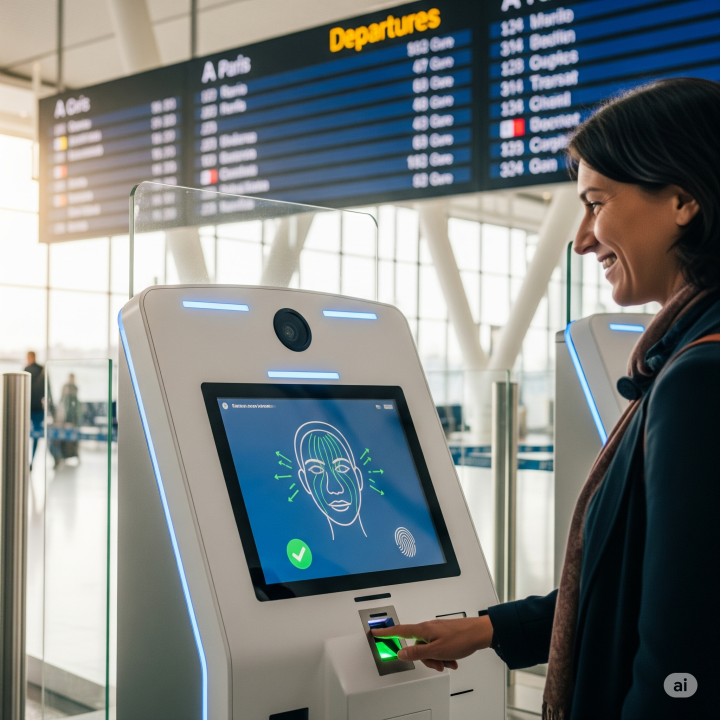
For non-EU nationals, this means a simple, one-time registration of fingerprints and a facial scan upon their first arrival. On all future trips, the process will be even faster, requiring only a quick facial scan. This digital approach not only enhances security across the region but also provides a more accurate and seamless way to manage travel. The long-term vision is a smoother, more technologically advanced journey for all visitors.
During the initial phased rollout, travelers are encouraged to plan ahead for their first interaction with the new system, ensuring a smooth and easy transition. It is also helpful to know that while comprehensive travel insurance is always a good idea, it is not a required document for entry. This new system is a wonderful foundation for the future of European travel, which will be further enhanced by the planned ETIAS pre-travel authorization system in 2026.