
- Social Media Influence: Platforms like TikTok and Instagram are driving travel decisions, with users building itineraries around viral dishes and photogenic food spots
- Rise of Experiential Travel: There is a significant increase in bookings for hands-on culinary activities, such as cooking classes and workshops, rather than passive dining
- Grocery Store Tourism: A large percentage of travelers now view visiting local supermarkets as a cultural activity to discover new products and local variations of familiar items
- Bespoke Culinary Planning: Travel advisors are focusing on curating personalized food experiences, such as private tastings and tours, to connect travelers with local artisans
Travel by Luxe shares insight into how food-centric travel is evolving, from viral dishes inspiring destination choices to travellers seeking hands-on culinary experiences and authentic local flavours.
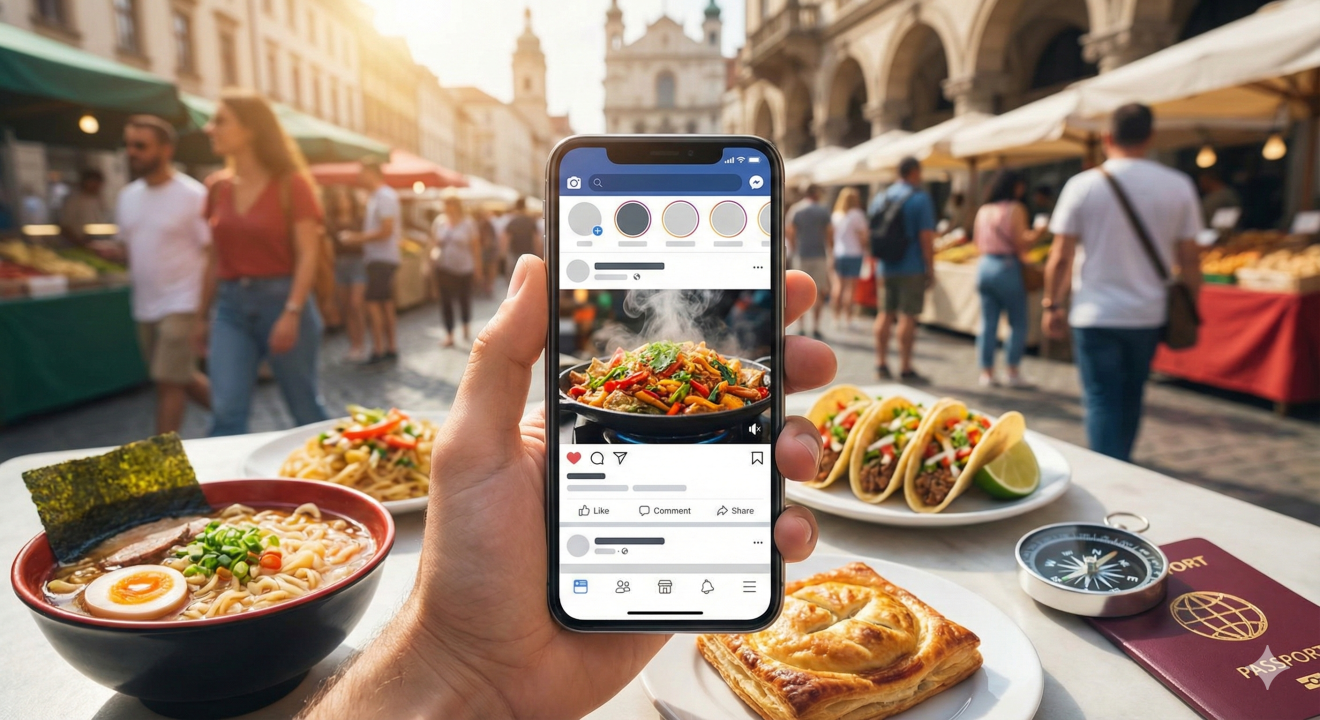
Social media platforms and viral trends are fundamentally reshaping how travelers plan their journeys for 2026, with a growing emphasis on culinary exploration known as “Taste Hunting.” According to insights from Travel by Luxe, tourists are increasingly designing itineraries centered around specific epicurean experiences highlighted on apps like TikTok and Instagram. This phenomenon ranges from seeking out iconic street foods and viral convenience store snacks in Tokyo to visiting famed restaurants in Rome. The visual nature of these platforms amplifies the allure of specific dishes, prompting travelers to chase shareable moments that define their trips.
Data supports this shift towards immersive food-focused travel. Airbnb reports a surge in bookings for hands-on activities, such as croissant baking in Paris and mochi making in Tokyo, while interest in lesser-known wine regions is also climbing. Furthermore, Skyscanner notes a significant rise in “grocery tourism,” finding that nearly three-quarters of UK travelers visit local supermarkets abroad to discover new products and global brands unavailable at home. This trend reflects a desire to engage with local culture through everyday consumption habits rather than just traditional dining.
Travel experts emphasize that this movement is particularly strong among younger demographics who value experiences they can document and share. To maximize these culinary adventures, advisors recommend balancing viral hotspots with recommendations from residents to ensure authenticity. The future of travel appears to be increasingly bespoke, with specialized agents curating private tastings, market tours, and cooking workshops. This approach allows travelers to connect deeply with local artisans and traditions, transforming meals into meaningful narratives rather than simple stops on a tour. By blending digital inspiration with genuine local engagement, food tourism is becoming a primary driver of global travel behavior.