
- Viking Ocean Cruises is launching the world’s first hydrogen-powered cruise ships, with Viking Libra debuting in 2026 and Viking Astrea in 2027.
- The vessels are being constructed in Italy by Fincantieri, which is also developing the advanced hydrogen propulsion system through its subsidiary, Isotta Fraschini Motori (IFM).
- The hydrogen fuel cell technology generates up to 6 megawatts of power with virtually zero emissions, releasing only water vapor and warm air.
- This initiative is part of a broader cruise industry trend toward decarbonization, setting a new global benchmark for sustainable luxury tourism
Viking Ocean Cruises is pioneering a significant advancement in maritime sustainability by launching the world’s first hydrogen-powered cruise ships, built by Italian shipbuilder Fincantieri. The first vessel, Viking Libra, is scheduled to debut in 2026, followed by Viking Astrea in 2027. This initiative represents a major leap toward cleaner ocean travel and positions Viking at the forefront of environmentally responsible cruising.
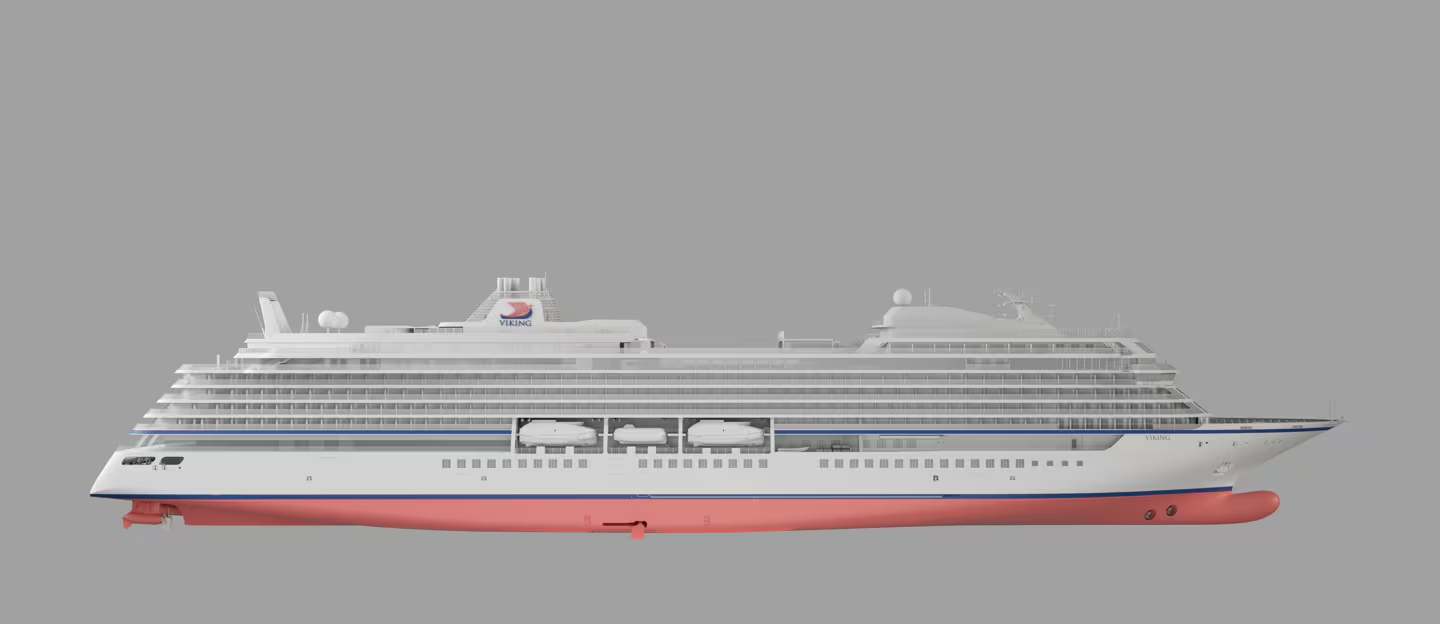
The new 54,300-gross-ton ships will accommodate 998 guests and utilize an advanced hydrogen propulsion system developed by Fincantieri subsidiary Isotta Fraschini Motori (IFM). This technology relies on fuel cells that generate electricity (up to 6 megawatts) using hydrogen stored in specialized onboard containers. The process is expected to achieve virtually zero greenhouse gas emissions, releasing only water vapor and warm air, drastically reducing the ships’ carbon footprint while maintaining Viking’s high standards of comfort.
The construction at Fincantieri’s Italian shipyards highlights Italy’s growing role as a hub for eco-friendly maritime technology. This move is part of a broader industry trend toward decarbonization, as other luxury lines like Explora Journeys (MSC Group) are also incorporating hydrogen (often with LNG) into their future ship designs. Viking’s commitment, coupled with its rapid fleet expansion, signals a strong alignment with the growing demand for eco-conscious tourism and sustainable exploration.
Here are details on both the hydrogen fuel cell technology and Viking’s upcoming ship delivery timeline.
The Hydrogen Fuel Cell Technology
The system Viking is installing is a true hybrid propulsion system, making Viking Libra and Viking Astrea the world’s first cruise ships capable of operating with zero emissions.
- How It Works: The system uses liquefied hydrogen stored onboard in special containerized tanks. This hydrogen is fed into a PEM (Polymer Electrolyte Membrane) fuel cell system, which then generates electricity.
- The Only Byproduct is Water: In a PEM fuel cell, hydrogen molecules are split into protons and electrons. The electrons create the electrical current, and the protons combine with oxygen (from the air) to create H₂O (water vapor).
- Power Output: This system is not just for small hotel loads; it’s a significant power source. It is capable of producing up to six megawatts (6 MW) of power, which is enough to run the ship’s hotel operations and its propulsion systems.
- The “Zero Emission” Capability: This technology will allow the ships to navigate and operate with virtually zero emissions (no carbon, no sulfur, no nitrogen oxides) in environmentally sensitive areas, such as Norwegian fjords or the Arctic.
- The Innovators: The system is being designed and built by Isotta Fraschini Motori (IFM), a subsidiary of the shipbuilder Fincantieri, which specializes in this advanced technology.
Viking’s New Ship Delivery Timeline (Ocean Fleet)
Viking has a very aggressive and consistent delivery schedule. Here is the known timeline for their ocean-going vessels, all of which are 998-guest ships built by Fincantieri:
- Viking Vela (Delivered in 2024)
- Viking Vesta (Delivered in June 2025)
- Viking Mira (Scheduled for delivery in Spring/Summer 2026)
- Viking Libra (Hydrogen-powered) (Scheduled for delivery in late 2026)
- Viking Astrea (Hydrogen-powered) (Scheduled for delivery in 2027)
- Two New-Builds (Contracts signed for delivery in 2030)
- Four Additional Ships (Options in place for deliveries in 2031 and 2032)
If all options are exercised, this aggressive build schedule will continue to expand Viking’s identical ocean fleet well into the next decade.