
- Shift in Summer Tourism: Western U.S. mountain destinations, particularly in Colorado, are experiencing a shift in summer 2025 occupancy and booking patterns.
- Decline in International Visitors: A key factor influencing this trend is a significant pullback from traditionally strong international markets, including Canada and Western Europe, due to economic pressures.
- Growth in Domestic Travel: While international numbers have softened, bookings from U.S. residents have seen a positive increase, showing the strength of the domestic market.
- Strategic Adaptation: In response, tourism boards are proactively recalibrating their focus toward improving engagement with domestic travelers and adapting to new market dynamics.

New travel patterns are shaping a dynamic and opportunity-filled summer season for the Western United States. Recent industry insights are providing states like Colorado, Utah, California, and Nevada with a clear picture of the evolving travel landscape for 2025, allowing them to adapt and innovate. This summer offers a wonderful chance for domestic travelers to explore the majestic mountain destinations of the West as the tourism industry recalibrates its focus.
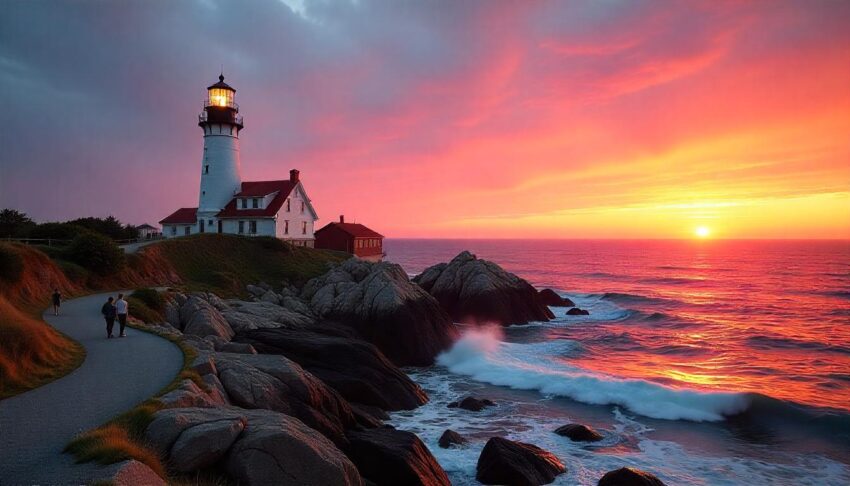
Analysis shows a shift in visitor demographics, influenced by global economic factors and rising travel costs. While visitation from some traditional international markets like Canada and Western Europe has softened, there is a bright spot in the resilient domestic market, which has seen positive growth in bookings. This trend is creating exciting new opportunities for mountain destinations to connect with American travelers and showcase their unique appeal.
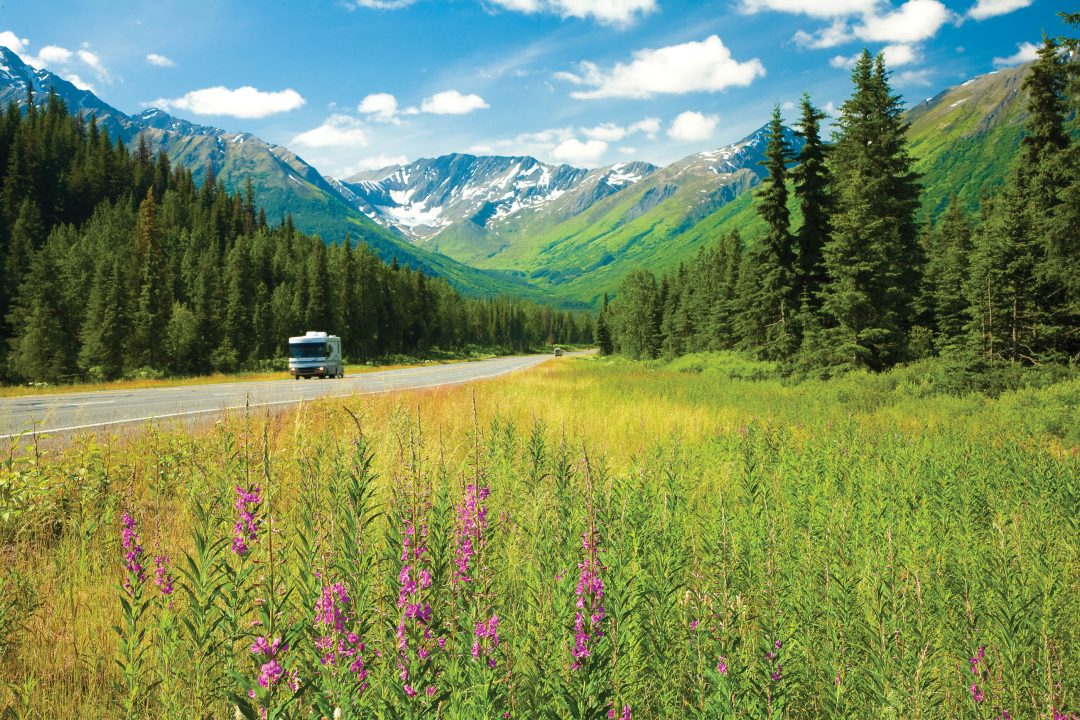
In response, local and state tourism boards across the West are thoughtfully adjusting their strategies. There is a renewed focus on enhancing domestic engagement and designing experiences that cater to the modern traveler. For states like Colorado, this period of change is a catalyst for fresh marketing initiatives and a chance to highlight the incredible value and adventure available right in America’s backyard.
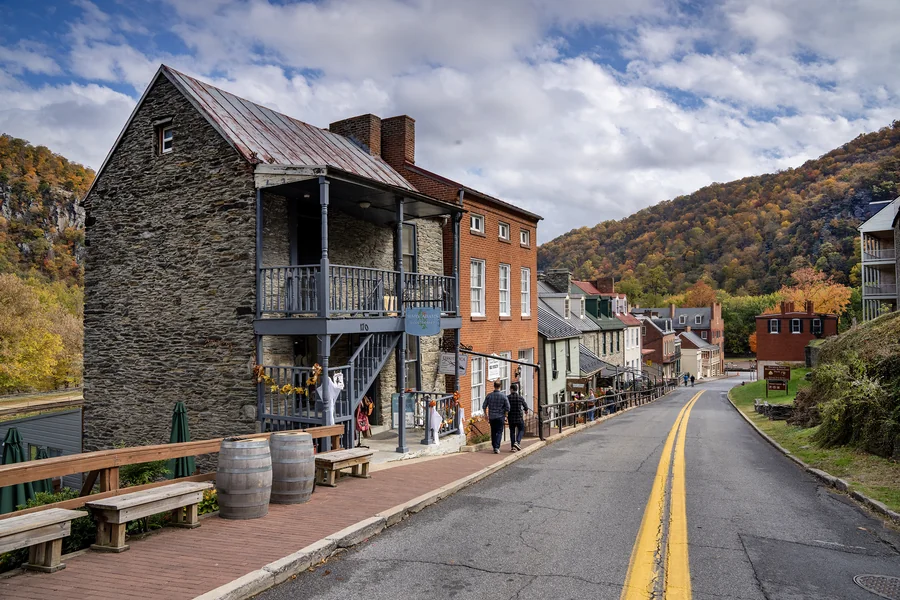
This season represents a forward-looking moment for the region’s tourism industry. By leveraging these new insights, Western states are well-positioned to build an even stronger, more sustainable tourism economy centered on the steadfast enthusiasm of domestic visitors.
