
- Expanded Visibility due to Geomagnetic Storm: A powerful G2-class geomagnetic storm on October 17, 2025, is significantly increasing the visibility of the Northern Lights across 15 US states, extending much further south than usual.
- Key Viewing States Identified: States with the best chance of viewing include Montana, Idaho, Washington, North Dakota, Alaska, and Minnesota, with other states like Michigan, New York, and Iowa also having potential visibility.
- Optimal Viewing Conditions and Times: The best viewing times are between 5 PM and 11 PM EDT, with recommendations to find dark locations away from city lights, check for clear skies, and look north.
- Cause of Northern Lights: The phenomenon is caused by charged particles from the Sun colliding with Earth’s atmospheric atoms, creating stunning light displays, with geomagnetic storms amplifying this effect.
A powerful geomagnetic storm is creating an expanded opportunity to view the Northern Lights across several US states on October 17, 2025. Montana, Idaho, Washington, North Dakota, Alaska, and Minnesota are highlighted as having an increased chance of visibility, a phenomenon that is expected to enhance astro-tourism in these regions. This celestial event occurs due to charged particles from the Sun interacting with Earth’s atmosphere, and the current geomagnetic storm allows these auroral displays to be seen further south than is typical.
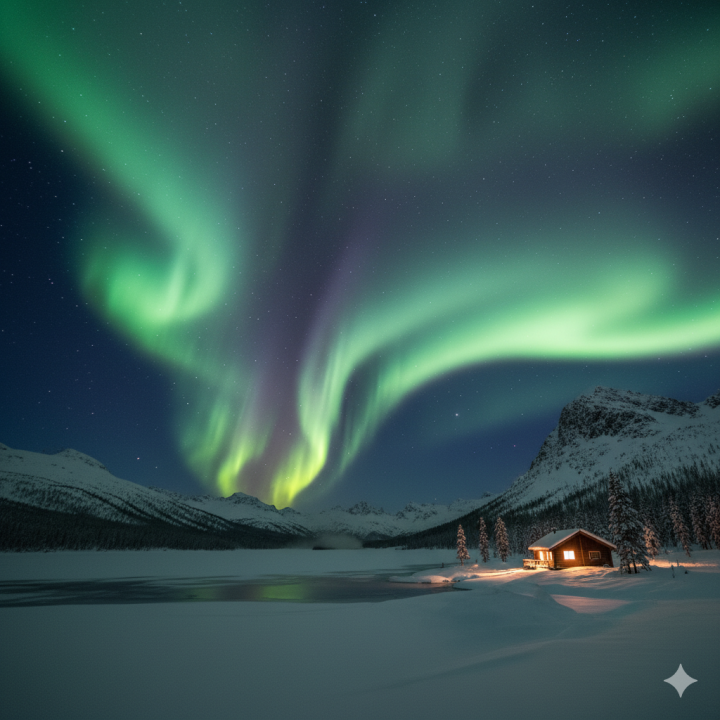
Residents in a total of 15 US states, including those mentioned, are positioned to potentially observe the aurora borealis. The peak viewing times are anticipated between 5 PM and 11 PM EDT. The Northern Lights, usually associated with polar regions, are being pushed southward due to this significant geomagnetic activity. The storm is classified as a G2 (moderate) event, and with a Kp index reaching approximately 5.67, it is strong enough to extend aurora visibility into these lower latitudes.
Key states with a heightened chance of seeing the Northern Lights include Alaska, Washington, Idaho, Montana, North Dakota, South Dakota, Minnesota, Wisconsin, Michigan, New York, Maine, New Hampshire, Vermont, Wyoming, and Iowa. While Alaska consistently offers prime viewing, this event provides a rare opportunity for many other states.
For those planning to witness this natural light display, several viewing tips are provided. It is recommended to observe from locations away from city light pollution, such as rural areas or national parks, to ensure darker skies. Checking local weather forecasts for clear skies is also crucial, as cloud cover can obstruct visibility. Viewers should orient themselves to look towards the northern part of the sky, ensuring an unobstructed line of sight. Patience is also advised, as the auroras can be unpredictable and may appear for varying durations. Resources like NOAA’s Aurora Dashboard and the 30-Minute Aurora Forecast can provide real-time updates for tracking the aurora’s progress.