
- The 7.3 magnitude earthquake occurred at a shallow depth, amplifying the potential for ground shaking and damage.
- The Alaska-Aleutian subduction zone is one of the world’s most seismically active regions, prone to both large earthquakes and tsunamis.
- Proactive tsunami warnings and rapid evacuations were implemented to ensure the safety of coastal communities.
- Alaska’s geological landscape necessitates continuous community planning, early warning systems, and evacuation drills for effective disaster preparedness.
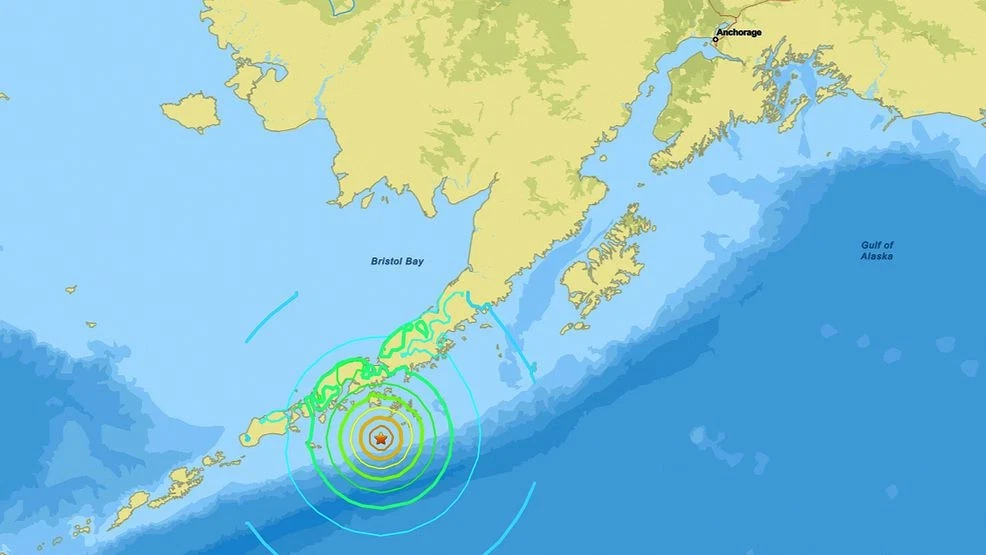
The Alaska Peninsula recently experienced a significant 7.3 magnitude earthquake, a testament to the dynamic forces shaping our planet. While such events naturally trigger serious alerts, the proactive and swift response of authorities and residents truly shines through.
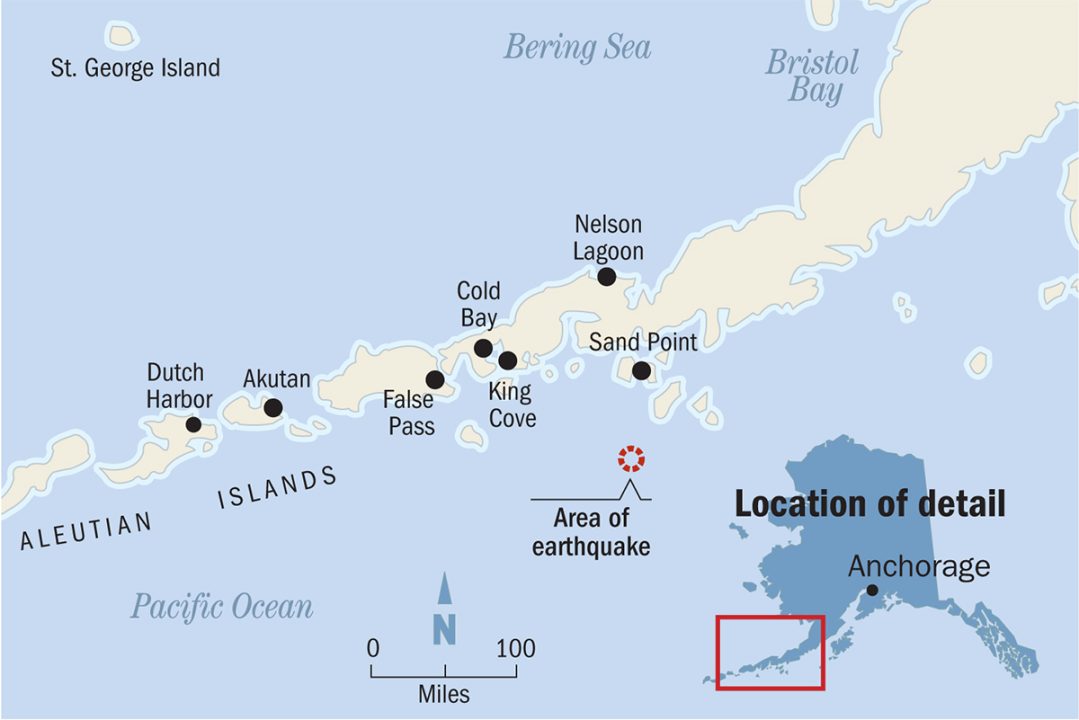
The shallow depth of the quake, at 36 kilometers, initially heightened concerns for ground shaking and potential building damage, prompting immediate tsunami warnings for coastal areas. However, rapid communication and organized evacuations helped manage the situation effectively.
Alaska, nestled within the highly active Alaska-Aleutian subduction zone, is no stranger to seismic activity. This region, where the Pacific Plate dives beneath the North American Plate, has a history of powerful earthquakes, often accompanied by tsunamis. This event serves as a valuable reminder of Alaska’s unique geological setting and the importance of being prepared.

Despite the inherent risks, communities are continuously refining their planning, early warning systems, and evacuation protocols, demonstrating a strong commitment to safety and resilience. The interconnected nature of geological hazards in Alaska, where an earthquake can lead to submarine landslides and subsequent tsunamis, highlights the need for a comprehensive approach to disaster readiness. This event underscores the ongoing efforts to protect residents and infrastructure in this vibrant, geologically active part of the world.