
- Essential Status of Security: Approximately 95 percent of TSA workers are required to work during the shutdown because their roles are considered vital to national security.
- Functionality of Expedited Programs: TSA PreCheck and Global Entry kiosks remain operational, although the processing of new applications and interviews may be delayed.
- Risk of Operational Strain: While immediate impacts are minimal, extended shutdowns historically lead to increased staff absences and potential long-term departures from the agency.
- Legislative Mitigation Efforts: Travel organizations are advocating for the Keep America Flying Act to provide permanent funding solutions for essential aviation workers during budget lapses.
The Transportation Security Administration and U.S. Customs and Border Protection continue to maintain essential security operations despite a partial government shutdown. Because airport screenings and customs inspections are categorized as essential functions, the majority of the 61,000 TSA employees are required to report to work to ensure the continuity of the aviation system. Travelers can expect standard security procedures to remain in place, and trusted traveler programs such as TSA PreCheck and Global Entry are still functional at airports across the United States.
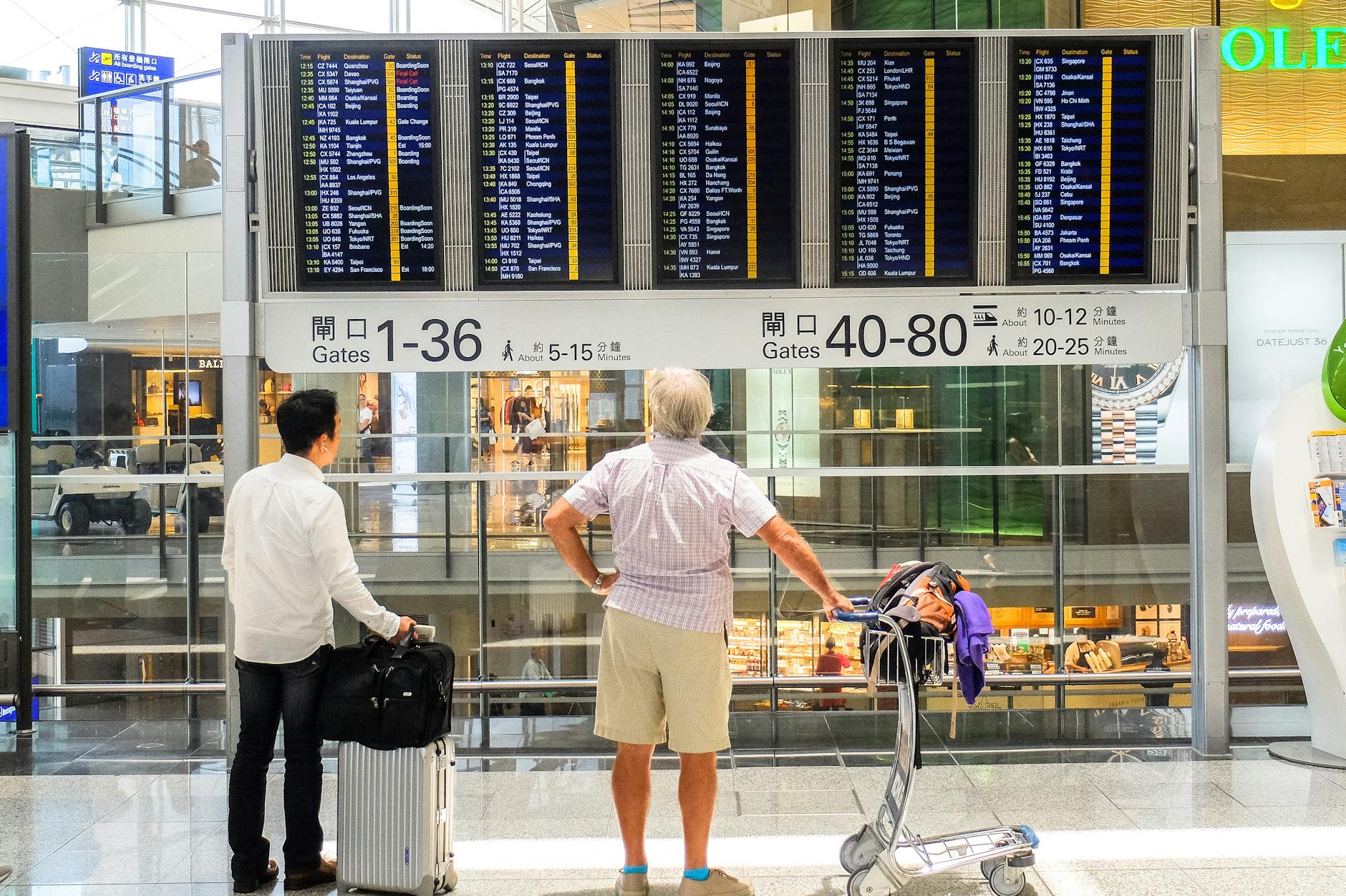
While front-line operations remain active, administrative functions may experience delays. Enrollment centers for expedited screening programs generally stay open, but new application processing and background check interviews may slow down as the funding gap persists. Travel experts recommend utilizing technology-driven solutions, such as TSA PreCheck Touchless ID, to reduce reliance on manual processing and decrease wait times. Currently, wait times in expedited lanes remain manageable, though travelers are advised to monitor airport trackers and arrive earlier than usual to account for potential staffing fluctuations.
The long-term concern for the travel industry involves the cumulative strain on federal workers who may be performing their duties without immediate pay. Previous shutdowns have shown that extended funding lapses can lead to increased staff call-outs and permanent separations, which eventually result in longer lines and flight delays. Industry groups, including the U.S. Travel Association, have highlighted the significant economic risks associated with these disruptions, noting that a past shutdown cost the sector billions of dollars. Current legislative efforts, such as the Keep America Flying Act, are being discussed to ensure that essential security personnel receive consistent pay during future funding uncertainties to protect the broader travel ecosystem.