

- Strategic Planning Shift: Consumers are adapting to higher costs by planning fewer but more significant trips rather than cancelling travel plans
- Sector-Specific Inflation: The steepest price hikes are concentrated in business class aviation, luxury hotels, and expedition cruising
- Market Polarization: A growing divide is emerging between high-end luxury pricing and the more stagnant or decreasing costs in the mid-market
- Advisor Reliance: A majority of travelers are turning to travel advisors to maximize value and navigate complex pricing structures
Internova Travel Group has released new findings from “The Internova Index,” a comprehensive report analyzing millions of bookings and survey responses from 4,000 travelers. The research highlights a significant shift in North American travel behaviors for 2026, driven largely by rising costs in specific industry sectors. Rather than dampening demand, higher prices are prompting consumers to become more intentional and strategic. Travelers are moving away from frequent, spontaneous trips in favor of fewer, more thoroughly planned vacations that prioritize meaningful experiences.
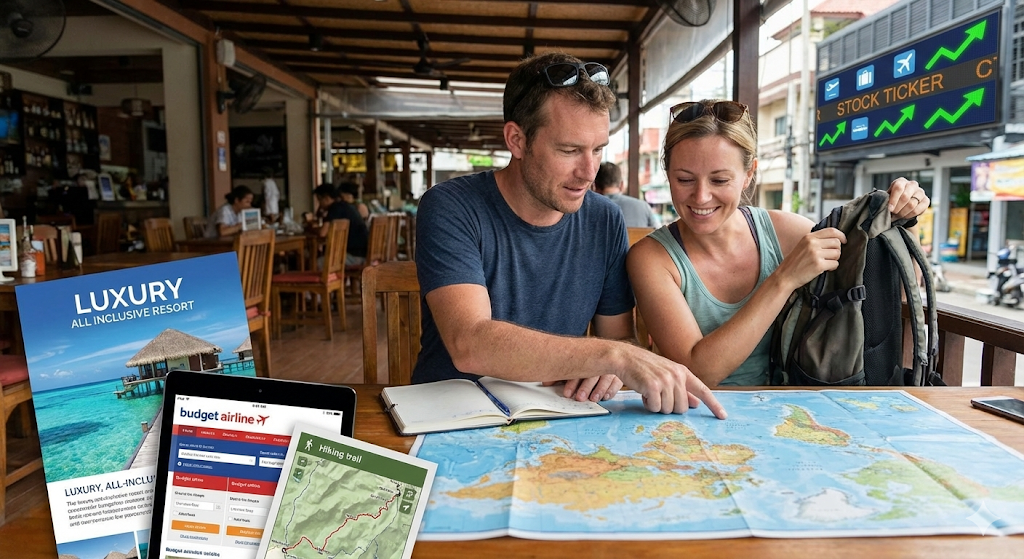
The data pinpoints the sharpest price increases within the luxury and premium categories. Long-haul business class airfares have risen to an average of $4,500, creating a wider price gap as economy fares have seen slight decreases. In the hospitality sector, North American luxury hotel rates climbed by 4.9%, contrasting with a 1.8% decline in premium hotel rates. The cruise industry reflects the most dramatic surge, with expedition cruise prices jumping more than 20% since 2023 due to high demand for immersive, small-ship journeys to remote destinations.
Despite these economic pressures, the appetite for travel remains strong. The report notes that 27% of consumers expect to travel more in 2026, while only 6% anticipate traveling less. To cope with the changing landscape, travelers are adjusting by shortening trip durations and selectively choosing where to splurge. A major outcome of this trend is the growing reliance on professional expertise; over 60% of travelers plan to use a travel advisor as their primary booking method. This indicates that in a polarized market, travelers are increasingly valuing expert guidance to navigate costs and secure the best possible value for their investment.