
- Disruption Volume: The aviation sector faced a massive volume of schedule changes, with delays of nearly 5000 flights while cancellations remained relatively lower at just a bit over 100.
- Airline Performance: Delta Air Lines and regional carriers like Endeavor Air and CommuteAir struggled significantly with on-time performance, with delay rates ranging between 24% and 31%.
- Hub Congestion: Major international hubs bore the brunt of the delays, with Atlanta (ATL) seeing nearly half of its flights delayed, alongside high delay counts in Chicago and Dallas.
- Regional Variances: While major hubs dealt with delays, smaller airports such as Spokane and Appleton experienced higher percentages of outright flight cancellations compared to their traffic volume.
On November 26, 2025, the United States aviation sector encountered widespread logistical challenges resulting in a significant number of schedule changes. Reports confirm that the national network sustained over 4,900 flight delays alongside 106 cancellations. This wave of disruptions affected legacy carriers and regional airlines alike, creating hurdles for travelers across the country. Delta Air Lines and its subsidiary Endeavor Air were notably impacted by schedule slippage, registering delay rates of 24% and 27% respectively. United Airlines also saw a high volume of delays, totaling 350 flights, though they maintained a relatively low cancellation rate. Regional partners such as CommuteAir and PSA Airlines faced the steepest delay percentages, exceeding 30%, which highlights the strain on smaller connecting services.
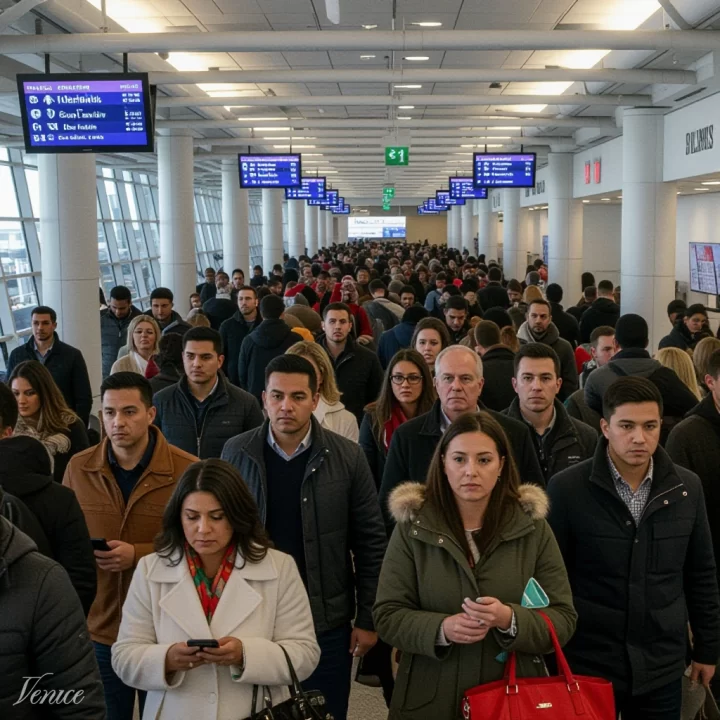
The impact on infrastructure was heavily concentrated at major hubs. Hartsfield-Jackson Atlanta International Airport (ATL) experienced severe congestion, with data showing that nearly half of its departing flights were delayed. Similarly, Chicago O’Hare (ORD) and Dallas-Fort Worth (DFW) processed hundreds of late flights, complicating connections for passengers moving through these central arteries. While the raw numbers at major hubs were high, smaller airports like Spokane International and Appleton International faced a different issue, recording higher cancellation percentages relative to their total operations.
These widespread service interruptions stem from a combination of operational friction points, including potential weather events, staffing allocations, and technical difficulties. The situation impacted cities from coast to coast, including Seattle, Houston, Boston, and Orlando. Consequently, passengers faced extended wait times and uncertain itineraries as airlines worked to recover schedule integrity. The data serves as a reminder of the fragility of modern air travel schedules when faced with systemic stress, emphasizing the variance in performance between different carriers and airports during peak operational windows.