- Alleged Illegal TikTok Operation: The Trump administration is accused of unlawfully permitting TikTok to operate in the U.S., counter to a 2024 divestiture-or-ban law and a unanimous Supreme Court ruling upholding it in January 2025.
- Executive Order Pausing Enforcement: President Trump issued an executive order on April 4, 2025, temporarily pausing the ban’s enforcement until June 19, ostensibly to allow time for an American buyer to emerge, despite TikTok’s prior year-long opportunity.
- Criticism and Alleged Political Influence: The administration’s non-enforcement is heavily criticized as nullification of law, with suggestions that Trump’s changed stance on TikTok may be linked to influence from major ByteDance investors and GOP donors.
- National Security Concerns and Call to Action: Significant national security risks associated with TikTok’s data practices and potential Chinese state influence remain, leading to an urgent call for President Trump to enforce the ban if no sale occurs by the June 19 deadline.

The Trump administration is facing accusations of illegally allowing TikTok to continue operating in the United States, despite a 2024 law mandating its ban or divestiture by its Chinese owner, ByteDance, to an American company. This law was unanimously upheld by the Supreme Court in January 2025, which found Congress had legitimate national security concerns regarding TikTok’s data collection and its relationship with a foreign adversary.

Despite this clear legal framework, President Trump signed an executive order on April 4, 2025, pausing enforcement of the ban until June 19. The stated reason was to allow TikTok time to find an American buyer. However, critics point out that ByteDance had a full year since the law’s enactment to arrange a sale but instead pursued unsuccessful litigation. Legal experts like Adam White of the American Enterprise Institute argue that the administration’s continued non-enforcement amounts to “outright nullification” of the law and demonstrates “utter disdain for the rule of law,” especially when juxtaposed with the administration’s attempts to resurrect archaic laws like the Alien Enemies Act.
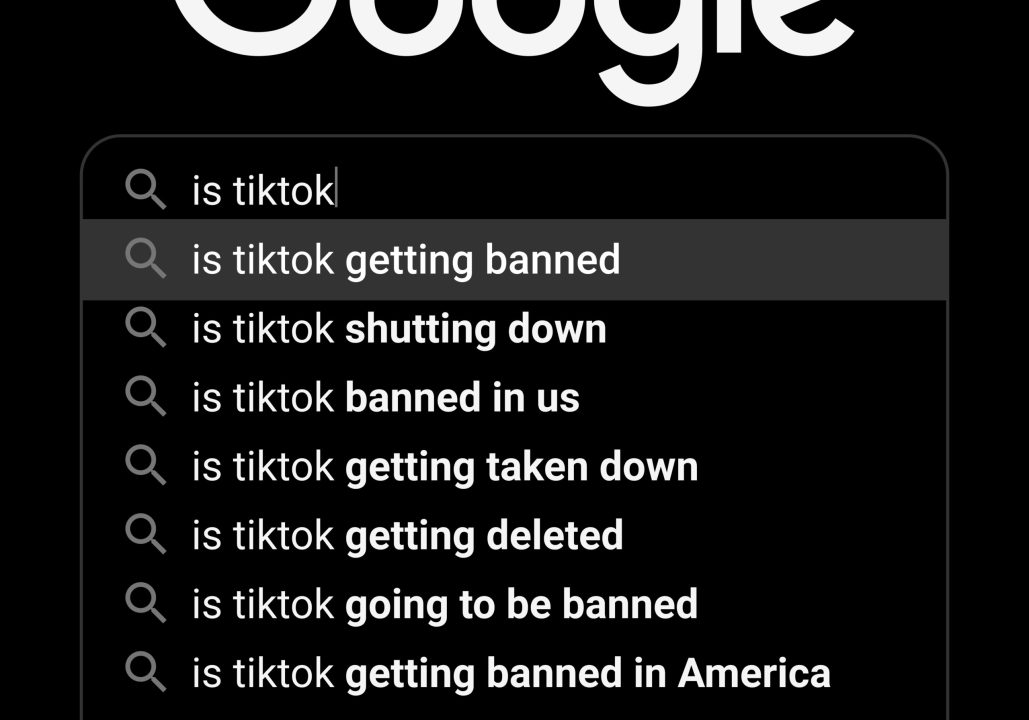
Speculation regarding Trump’s change of heart from his 2020 stance favoring a TikTok ban points to potential influence from major GOP donor Jeff Yass, whose fund reportedly held a significant stake in ByteDance. Donations from Yass and the wife of a ByteDance board member to Trump-affiliated PACs have also raised questions.
The article emphasizes the ongoing national security risks posed by TikTok, citing mounting evidence that data collected from its users can be accessed by Chinese state agencies and concerns about ByteDance’s opaque algorithms potentially being used for foreign influence. With the June 19 deadline for the executive order’s expiration approaching, the author asserts that if an American buyer for TikTok is not secured, President Trump has a legal obligation, not a choice, to enforce the ban as mandated by Congress and affirmed by the Supreme Court.