- Global Trend of Tourist Taxes: Numerous popular countries worldwide (including Japan, Canada, U.S. cities, Mexico, France, Italy, U.K., Germany) are implementing or increasing tourist taxes and fees in 2025 to manage overtourism and fund local infrastructure and preservation.
- Varied Approaches to Taxation: Countries are adopting different models, from Japan’s activity-specific fee (Mount Fuji hike) and Venice’s unique day-tripper charge to broader accommodation taxes (France, Edinburgh, German cities), local levies (Canada, U.S. cities), and simplified national fees (Mexico).
- Rationale for New Fees: The primary drivers for these taxes are the need to address the strains of overtourism, fund the upkeep of infrastructure and cultural/natural sites, manage crowds, and ensure the long-term sustainability of popular destinations.
- Impact on Travelers: Tourists in 2025 must increasingly factor these various taxes and fees into their travel budgets and be aware of specific local regulations, such as pre-registration or specific payment methods, as these charges become a standard part of the travel experience.

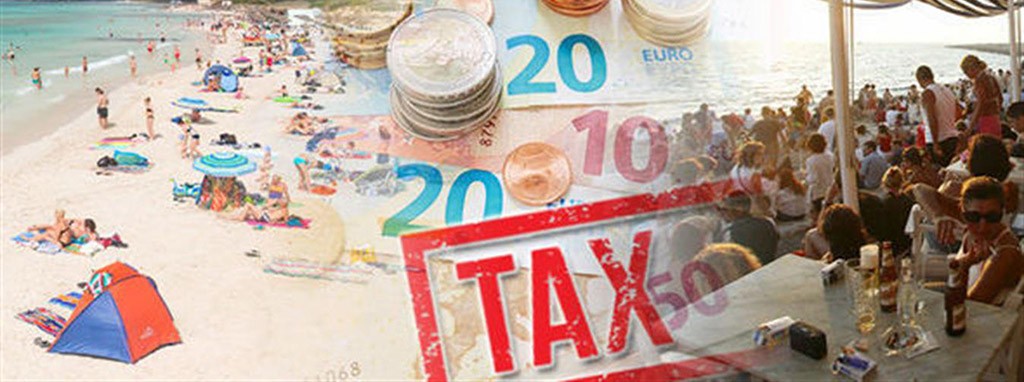
A global trend is seeing popular tourist destinations, including Japan, Canada, the U.S., Mexico, France, Italy, the U.K., and Germany, increasingly implement or raise tourist taxes and fees in 2025. This shift reflects a growing need to manage the impacts of over-tourism, fund aging infrastructure, preserve cultural and natural landmarks, and cover the rising costs of providing services to surging visitor numbers. These charges, ranging from hotel levies and airport fees to specific entry or activity taxes, are becoming a standard component of travel budgets worldwide.
Japan, for instance, which welcomed over 36 million visitors in 2024, now mandates a 4,000 yen (~$27 USD) fee for international travelers hiking Mount Fuji, effective May 2025, explicitly to fund trail upkeep and services. While Canada lacks a national tourist tax, cities like Toronto (6%), Montreal (3.5%), and Vancouver (3%) impose Municipal Accommodation Taxes, and major airports add CAD 25-30 improvement fees. Similarly, the U.S. has no federal tax, but major cities levy significant occupancy taxes, such as nearly 15% in New York City and 14% in San Francisco. Mexico has simplified its approach, reducing its tourist tax to a flat $5 USD, now mandatory and payable online or at kiosks.
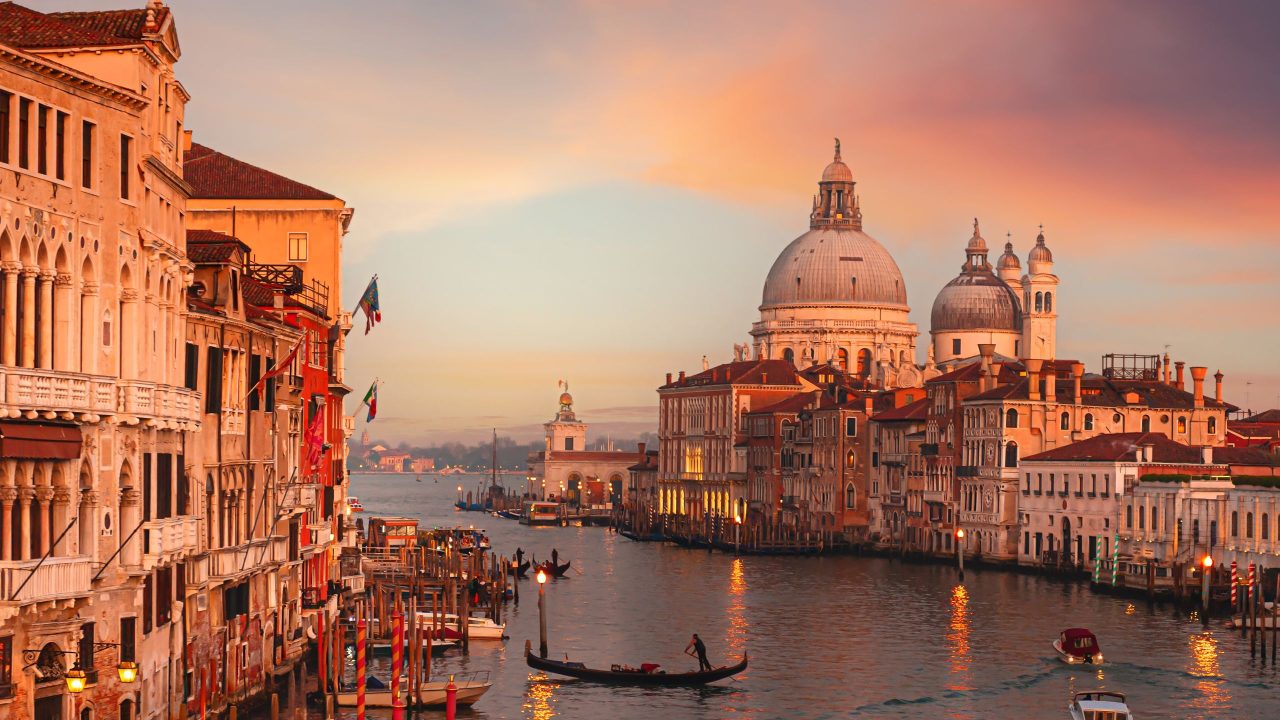
European nations are also prominent in this trend. France has a transparent, tiered “taxe de séjour” on accommodations, ranging from €0.65 to €15.60 per night. Italy, known for its €4-€10 nightly hotel taxes in popular cities, made headlines in April 2025 when Venice introduced a pioneering €5-€10 day-tripper fee for unregistered visitors on peak days to manage crowd surges. The U.K. saw its first such levy in April 2025 when Edinburgh launched a £2 per night accommodation tax, with other cities like Manchester and regions in Wales considering similar measures. Germany has long had city-based “bed taxes,” typically around 5% of accommodation costs, in major urban centers like Berlin and Munich.
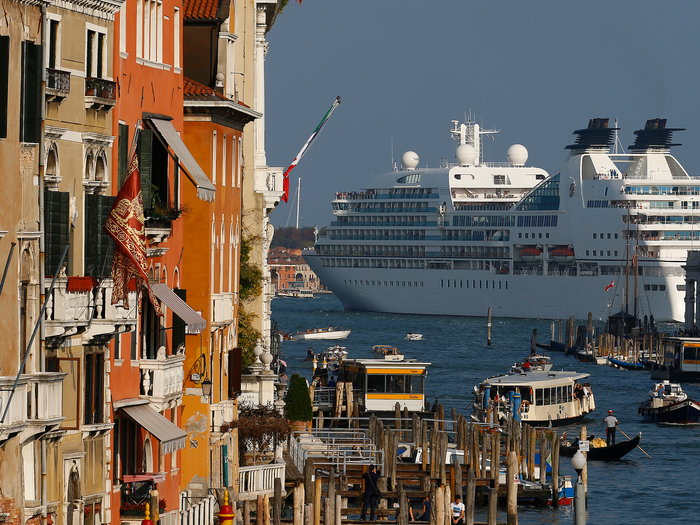
This widespread adoption of tourist taxes signals a new era where travelers are increasingly expected to contribute directly to the sustainability and maintenance of the destinations they enjoy. For tourists, it means diligent planning and budgeting for these additional costs, understanding that such fees are becoming the norm for global travel in 2025.