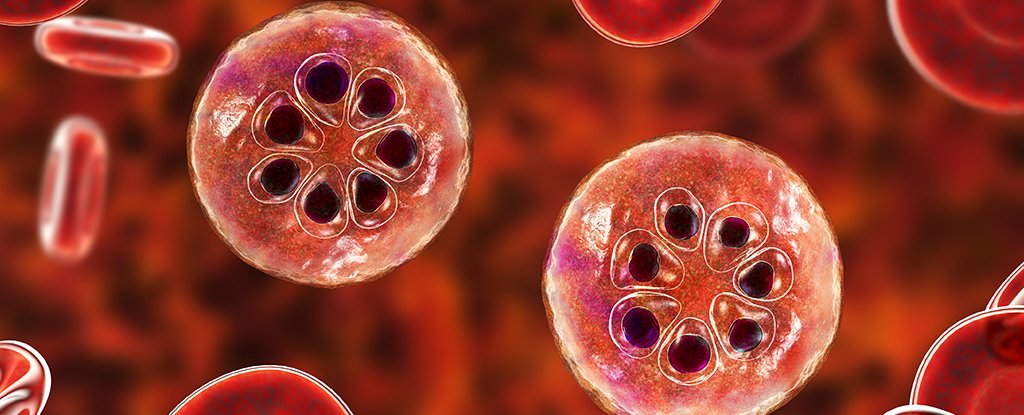
- Parasite Transmission: The Plasmodium parasite must travel from a mosquito’s gut to its salivary glands to be transmissible to humans through a bite.
- Gene-Editing Solution: Scientists successfully used gene editing to change a single amino acid in the mosquito’s genome.
- Mechanism of Resistance: This genetic modification effectively blocks the parasite’s path to the salivary glands, making the mosquito highly resistant to spreading malaria.
- Significant Potential: This discovery is considered a major advancement, offering a powerful new tool for potentially eradicating malaria.
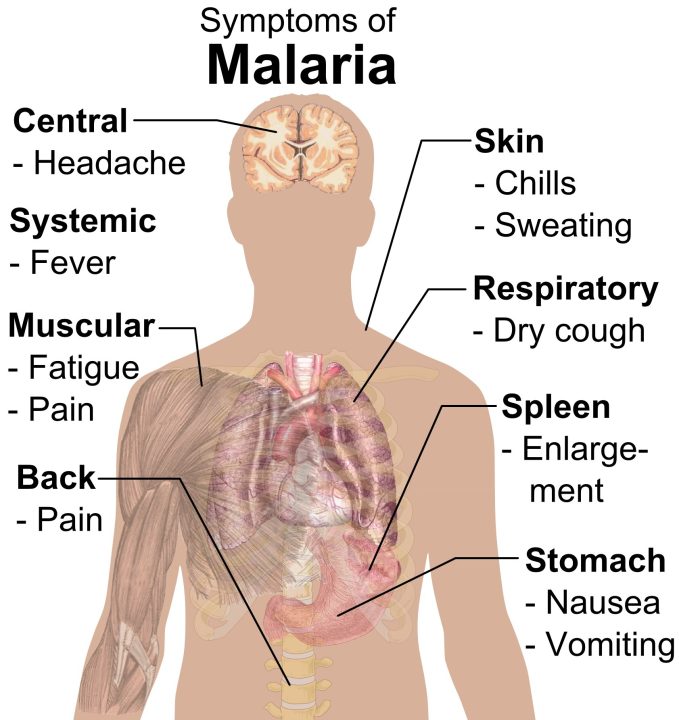
In a breakthrough for global health if not traveler peace of mind , scientists have discovered a way to prevent mosquitoes from transmitting malaria through a simple genetic modification. This promising new research offers a beacon of hope in the fight against a disease that affects hundreds of millions of people annually. The study focuses on the incredible journey the malaria-causing Plasmodium parasite must undertake inside a mosquito to become infectious to humans. This journey begins when a mosquito bites an infected person and ends when the parasite successfully travels from the insect’s gut to its salivary glands, ready to be injected into the next person.
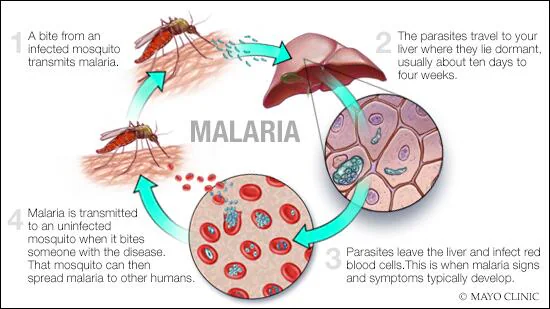
Researchers have found a brilliant way to interrupt this process. By using gene-editing technology to alter a single amino acid in the mosquito’s genetic code, they have effectively created a roadblock for the parasite. This tiny change has a massive impact, largely preventing the parasite from reaching the salivary glands. As a result, the modified mosquitoes become highly resistant to spreading malaria. This elegant solution is being celebrated for its simplicity and profound potential. The idea that such a minimal genetic tweak could have such a significant outcome represents a major step forward in developing new strategies to combat this devastating disease and create a healthier future for all.