
- Travelers without a REAL ID or passport must pay a non-refundable $45 fee to use the TSA ConfirmID system.
- The identity verification receipt is valid for a ten-day period, allowing for standard round-trip travel on a single payment.
- Identity verification can take thirty minutes or longer and does not guarantee that a traveler will be cleared for boarding.
- TSA recommends pre-paying the fee online to avoid significant delays and potential removal from the security line
As of February 1, 2026, the Transportation Security Administration introduced a mandatory $45 fee for adult travelers who arrive at airport checkpoints without a REAL ID or another federally accepted form of identification. This new system, known as TSA ConfirmID, serves as a modernized alternative identity verification process for domestic air travel. Rather than automatically turning away passengers who lack compliant documentation, TSA now utilizes this paid service to perform background checks and biometric verifications. However, the agency emphasizes that paying the fee does not guarantee successful verification or the right to board a flight.
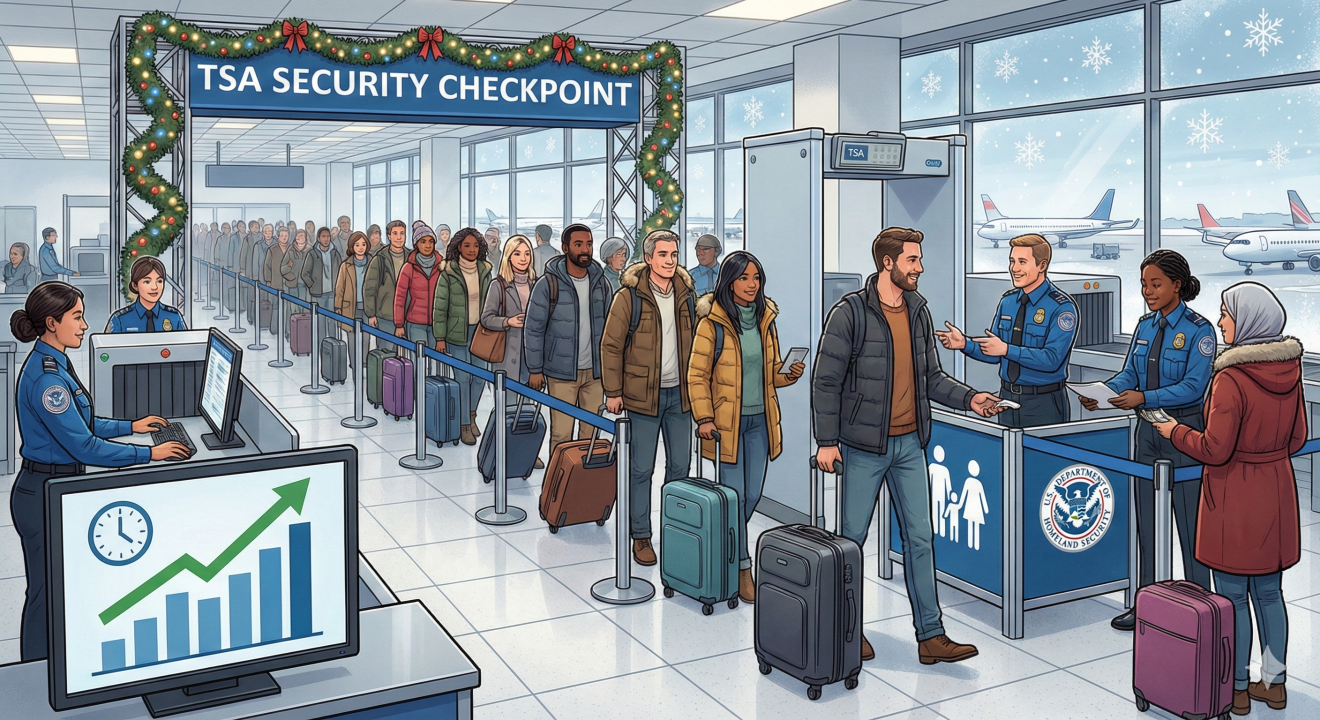
Travelers are strongly encouraged to pre-pay the $45 fee online via the official Pay.gov portal before arriving at the airport. Once paid, the receipt remains valid for a ten-day travel window, meaning most round-trip passengers will only need to pay once. Upon arrival at the security checkpoint, those using the service must present a digital or printed copy of their receipt and provide personal details, including their legal name, address, and date of birth. This verification process typically adds thirty minutes or more to the standard security screening time, and passengers who wait to pay at the airport may be required to leave the security line to complete the transaction, further increasing the risk of missing a flight.
The policy applies to all travelers aged eighteen and older who do not possess a REAL ID-compliant license, a valid passport, or a Global Entry card. It is also the designated fallback for passengers who may have forgotten or lost their compliant identification. While children under eighteen remain exempt from these requirements when traveling with an adult, all non-compliant adults must cover the administrative costs of their own verification. This shift ensures that the financial burden of processing non-compliant travelers is managed by the individuals themselves rather than by taxpayers.