
- The cruise line is prioritizing sleep tourism by using cabin design features like circadian lighting and blackout curtains to optimize recovery
- An adults-only environment is maintained to ensure a quiet and intentional atmosphere that supports uninterrupted rest and mental decompression
- Wellness offerings focus on thermal therapy and active recovery movement to reduce inflammation and support long-term physical health
- The removal of dining friction and decision fatigue helps alleviate the mental load, allowing guests to focus entirely on restoration
Virgin Voyages is shifting the traditional narrative of cruise luxury by positioning recovery and rest as the ultimate forms of indulgence. This transition aligns with the emerging global trend of sleep tourism, where travelers prioritize physical and mental restoration over packed itineraries. Research cited in wellness media indicates that high-quality sleep is a strategic necessity for cognitive function, mood regulation, and longevity. Consequently, the cruise line has integrated these scientific insights into its foundational design and service model.
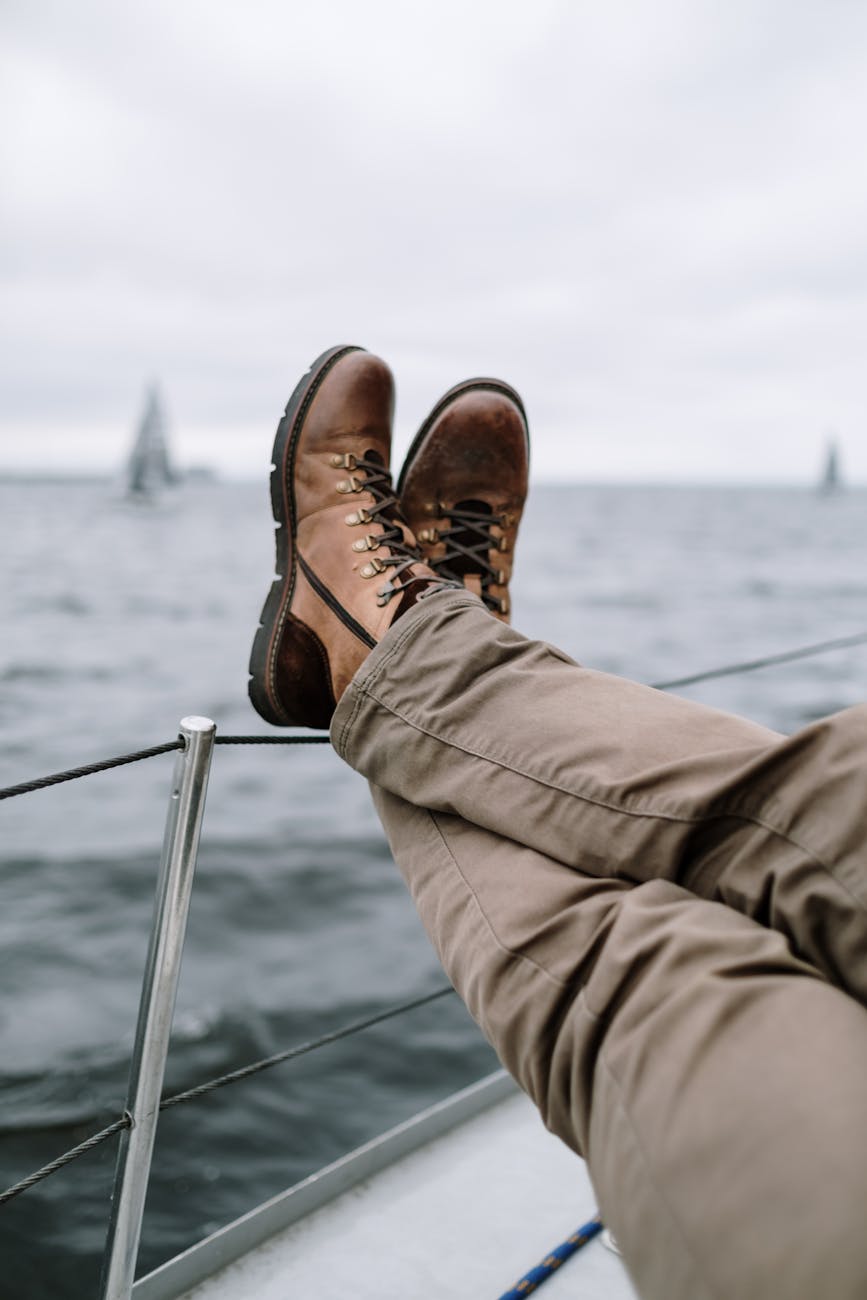
The onboard environment is engineered to support the nervous system’s transition into a state of deep relaxation. In the Sea Terrace cabins, specialized features such as transition mood lighting, blackout curtains, and temperature-controlled bedding work in tandem to optimize the sleep environment. The natural low-frequency hum and rhythmic motion of the ship are also noted as subtle catalysts for deeper sleep cycles. By maintaining an adults-only atmosphere, the cruise line ensures a curated energy that minimizes the disruptions often found in family-oriented travel, allowing for uninterrupted rest and late mornings.
Beyond sleep, the recovery model extends to the Redemption Spa and physical activity programming. The spa serves as a thermal sanctuary offering hydrotherapy, salt rooms, and saunas, which are recognized in wellness circles for reducing inflammation and improving circulation. Fitness options focus on balanced movement, such as yoga and meditation, rather than high-intensity burnout. This approach emphasizes active recovery, which experts suggest improves long-term physical performance.
The culinary and digital experience further supports this mindful approach. By removing buffets and fixed dining times, the cruise line encourages a slower, intentional eating pace that is better for digestion and sleep quality. Additionally, the inclusion of essential services like Wi-Fi and gratuities reduces decision fatigue and friction, which are major contributors to mental burnout. Ultimately, the brand leverages the psychological benefits of blue spaces and open horizons to provide an immersive restorative experience. This evolution of luxury suggests that the most valuable souvenir a traveler can bring home is a restored baseline and a calmer state of mind.