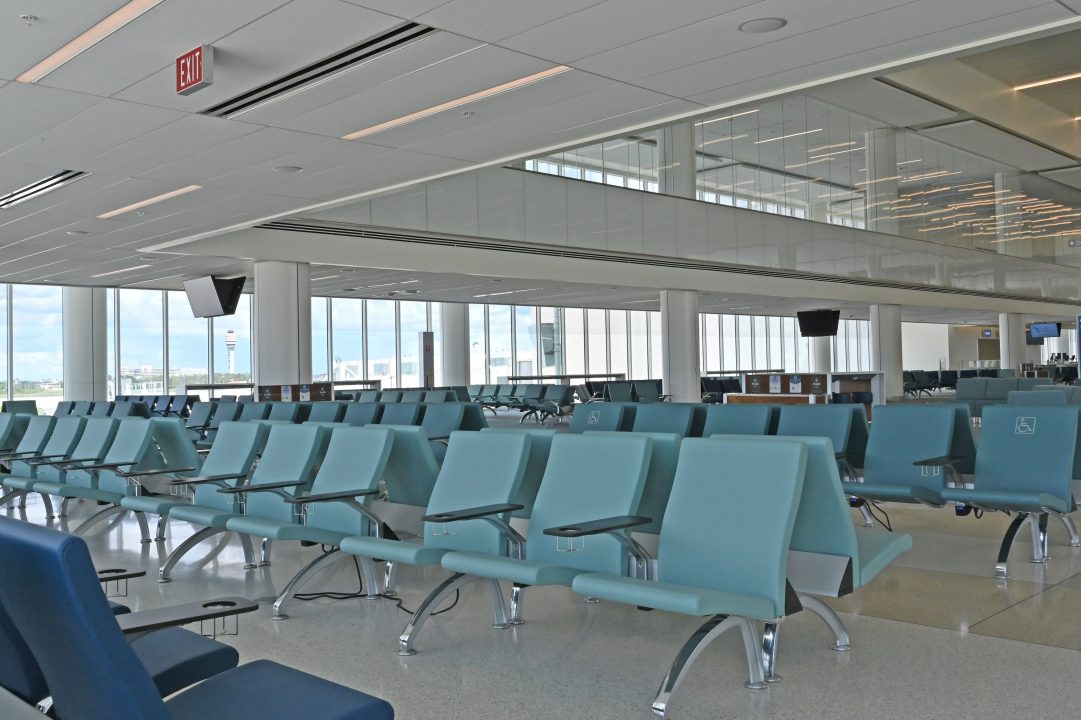
Airports, hotels, and public spaces make it easy to stay charged and connected while traveling — but
some conveniences come with hidden dangers. The TSA recently issued a renewed warning to travelers:
avoid public USB charging stations. The reason? A cyberattack technique known as “juice jacking.”
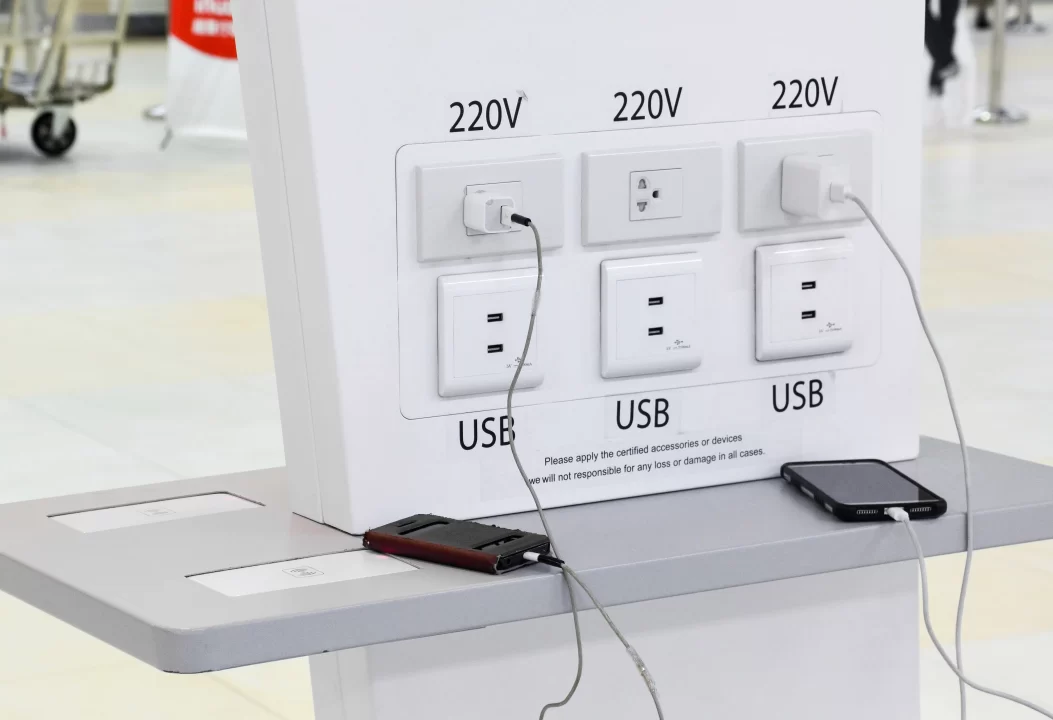
When you plug into a public USB port, you’re not just drawing power — you’re also potentially opening a
data connection.
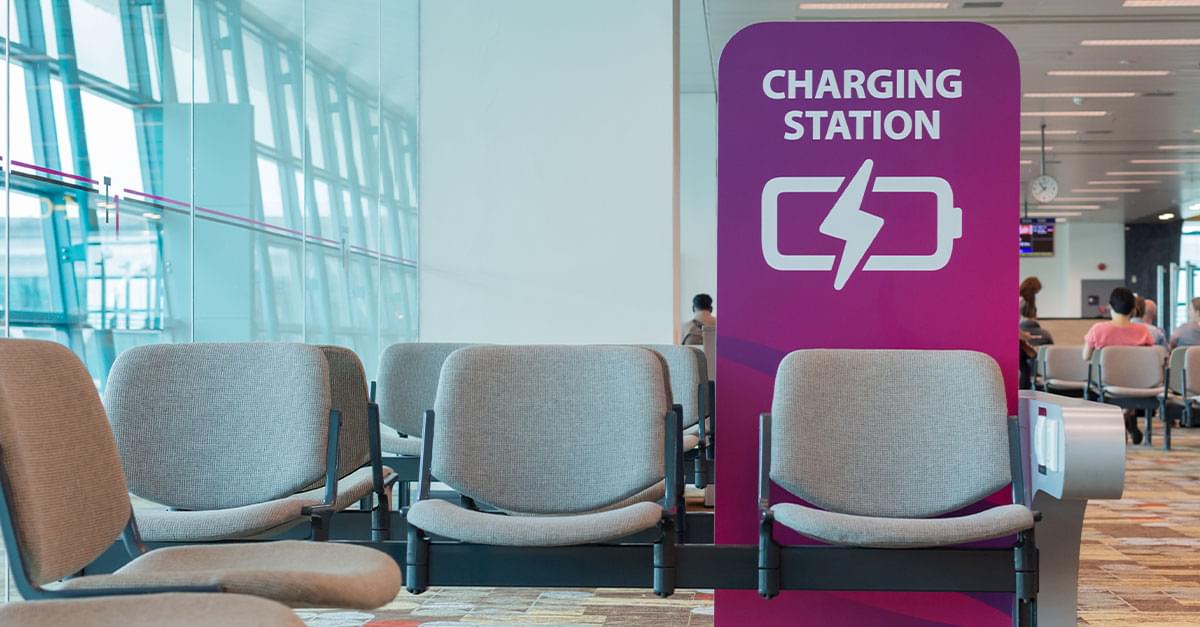
Hackers can modify public charging stations or cables to install malware, extract
sensitive data, or even take control of your device. In some cases, simply connecting can give attackers
access to personal information, photos, passwords, or financial accounts — all without your knowledge.
Public charging stations are an increasingly attractive target because they exploit travelers when they’re
distracted, tired, or rushing to catch a flight. As airport foot traffic returns to pre-pandemic levels, the risks are only growing.
Fortunately, protecting yourself is simple:
- Carry your own charger and cable. Use a standard wall outlet whenever possible.
- Bring a portable power bank — or a mobile hotspot with a built-in power bank, like SIMO enabled
devices. This gives you both secure charging and private internet access in one device,
eliminating the need to rely on risky public chargers or Wi-Fi networks. - Consider a USB data blocker. Sometimes called “USB condoms,” these small adapters allow power to flow while blocking data connections.
- Always verify the exact network name with staff before connecting.
- Disable auto-connect features on your devices.
- Use a VPN to encrypt your internet activity.
“But charging isn’t the only threat travelers face. Public Wi-Fi networks, often just as tempting and convenient, create another opportunity for attackers. Through Evil Twin attacks, hackers set up fake Wi-Fi networks that mimic legitimate airport or hotel networks. Once connected, your internet traffic can be intercepted, exposing personal information” says Eric Plam, Chief Revenue Officer at SIMO