
- Drone footage of the MSC World Europa ignited a viral debate regarding the environmental ethics of mega-cruises.
- Experts warn that while LNG fuel reduces some pollutants, it may increase harmful methane emissions.
- Marine ecosystems face risks from vessel noise, anchor damage, and potential strikes on wildlife.
- Social media users are increasingly calling for stricter environmental regulations on the cruise industry
A recent drone video of the MSC World Europa has sparked a significant debate on social media regarding the environmental consequences of the modern cruise industry. Shared within the r/Anticonsumption Reddit community, the footage highlights the immense scale of the vessel, which functions as a floating city capable of accommodating nearly 7,000 passengers. While the ship is marketed as a more sustainable option due to its use of liquefied natural gas (LNG), critics and environmental experts have raised concerns that this transition does not fully address the ecological footprint of such massive operations.
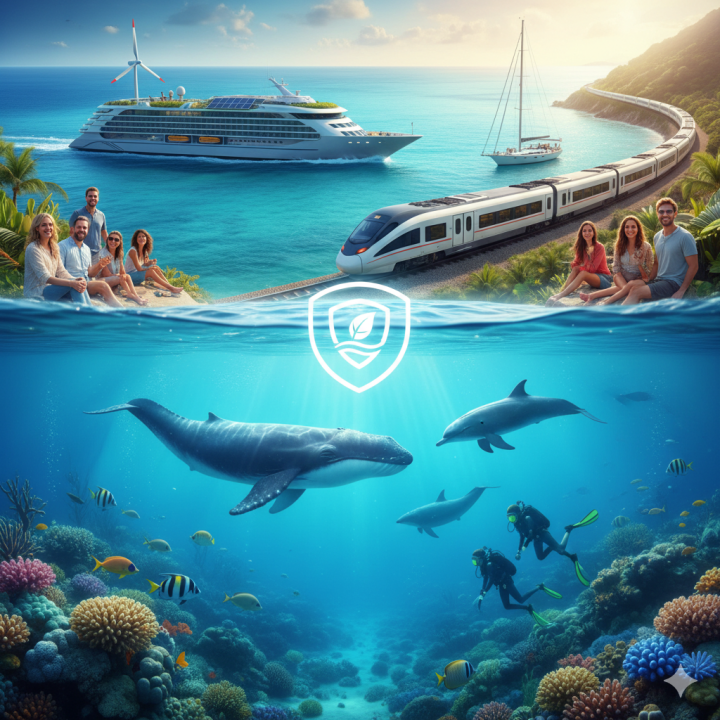
The central point of contention involves the use of LNG fuel. Although the cruise line asserts that LNG reduces certain pollutants by up to 99 percent compared to traditional heavy fuel oil, environmental advocates point to methane leakage. Research indicates that methane is significantly more potent than carbon dioxide in terms of atmospheric heat retention over a shorter period. Beyond air quality and greenhouse gas emissions, the discussion touched upon the broader systemic issues associated with mega-ships, including the management of sewage discharge, food waste, and the physical disruption of marine habitats.
Public reaction to the footage was largely critical, with users expressing concern for marine wildlife and the preservation of coral reefs near busy ports. Some commenters argued that the sheer volume of consumerism represented by these vessels should lead to stricter regulations or total bans on such travel. The controversy underscores a growing tension between the cruise industry’s efforts to modernize through cleaner technology and a public that is increasingly skeptical of the long-term viability of large-scale ocean vacations. For those seeking to reduce their environmental impact, the article suggests considering lower-impact alternatives such as rail travel or domestic tourism.