

- Widespread Weather Disruptions: A severe weather system with heavy rain in the Northeast and strong winds in the South caused significant operational disruptions at major U.s. airports, including JFK, LaGuardia, Detroit, and Atlanta.
- Over 800 Flights Affected: The adverse weather led to more than 800 flight disruptions nationwide, comprising approximately 143 cancellations and 700 delays during a peak summer travel period.
- Major Airlines Impacted: Key carriers such as Delta, American, JetBlue, Air Canada, and WestJet, along with regional partners like Endeavor Air, were heavily affected, working to manage schedules and re-accommodate passengers.
- Safety-Focused Response: The Federal Aviation Administration (FAA) implemented ground stops and delays as a primary safety measure, with airlines and airports prioritizing passenger and crew well-being while managing the logistical challenges.
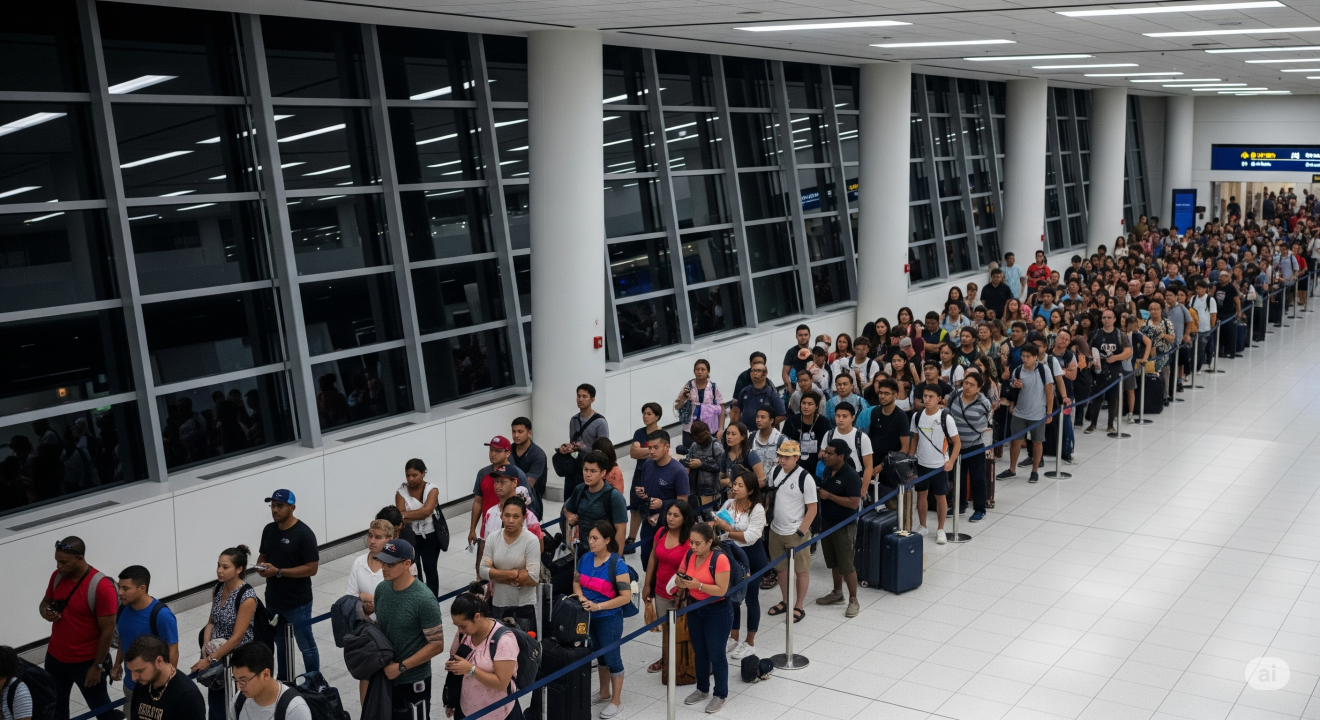
In a remarkable display of operational resilience and commitment to passenger safety, major U.S. airports and airlines adeptly navigated a significant weather system that brought heavy rain and strong winds across the Northeast and South. During a peak summer travel period, hubs including New York’s JFK and LaGuardia, Detroit Metro, and Atlanta’s Hartsfield-Jackson responded with coordinated efforts to manage flight schedules and ensure the well-being of thousands of travelers.

Airlines including Delta, American, JetBlue, WestJet, and Air Canada, alongside their regional partners, worked diligently to adapt to the challenging conditions. While the necessary safety measures resulted in over 800 flight delays and cancellations nationwide, the industry’s focus remained squarely on safe operations. In Detroit and at LaGuardia, steady rain prompted careful adjustments, with regional carrier Endeavor Air managing a significant portion of the rescheduled flights. In Atlanta, the world’s busiest hub, strong winds were expertly handled by air traffic controllers and airlines, led by Delta, which successfully managed over 160 delays while avoiding any outright cancellations. At JFK, crews navigated gusty coastal winds to keep operations moving as smoothly as possible.
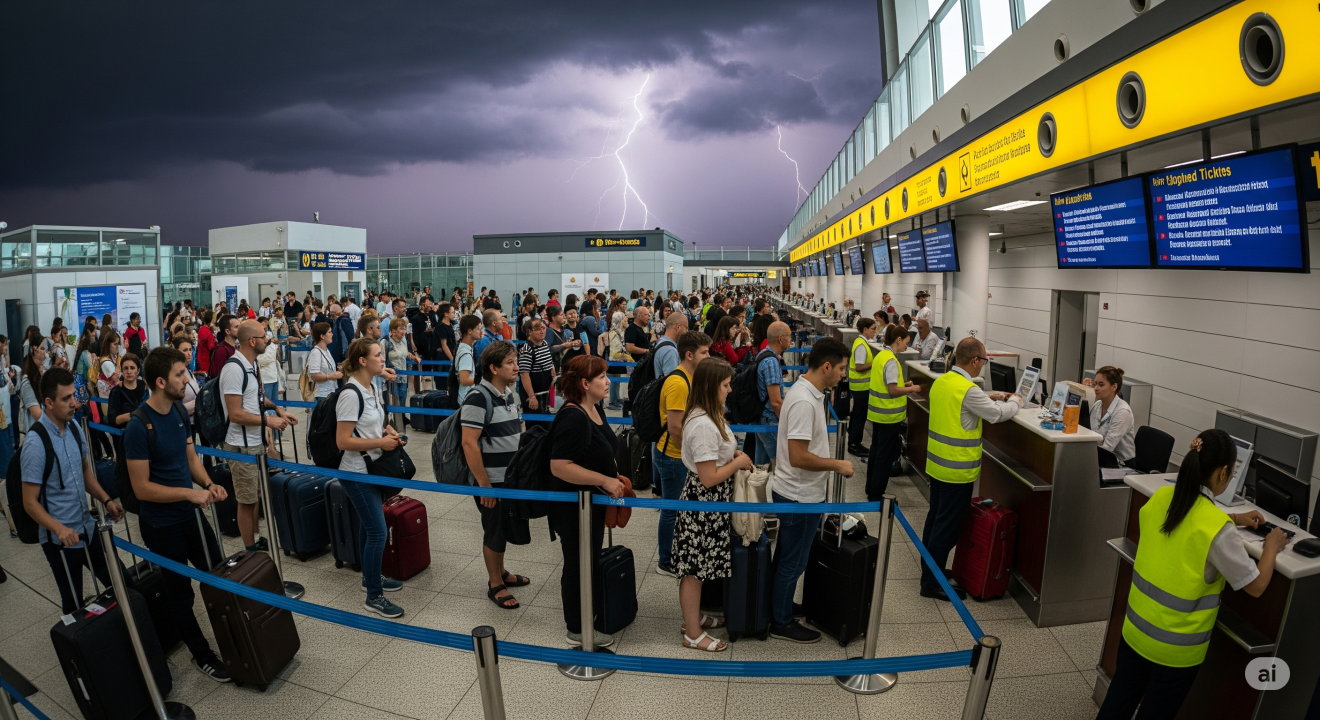
This weather event highlights the incredible real-time coordination required to manage one of the world’s most complex airspaces. The swift response from the FAA, airports, and airline teams underscores a deep commitment to safety above all else. As the weather systems clear, airlines are focused on efficiently rebooking affected passengers and restoring normal schedules, demonstrating the industry’s capability to manage disruptions and keep America moving, even when faced with unpredictable summer storms. The proactive communication and diligent efforts ensured that despite the delays, the safety of every passenger and crew member remained the top priority throughout the event.
Google Gemini Images