
- Extent of Delays: A total of 3,070 delays and 180 cancellations were reported across the United States on January 5, 2026, affecting all major airlines.
- Hardest Hit Areas: Hartsfield-Jackson Atlanta International Airport and Delta Air Lines experienced the highest volume of disruptions during the event.
- Operational Causes: The delays were driven by a combination of weather events, such as high winds and deicing needs, and FAA airspace flow programs designed to manage traffic volume.
- Traveler Guidance: Passengers are urged to monitor flight status closely, communicate directly with airlines for rebooking, and prepare for extended wait times at airports.
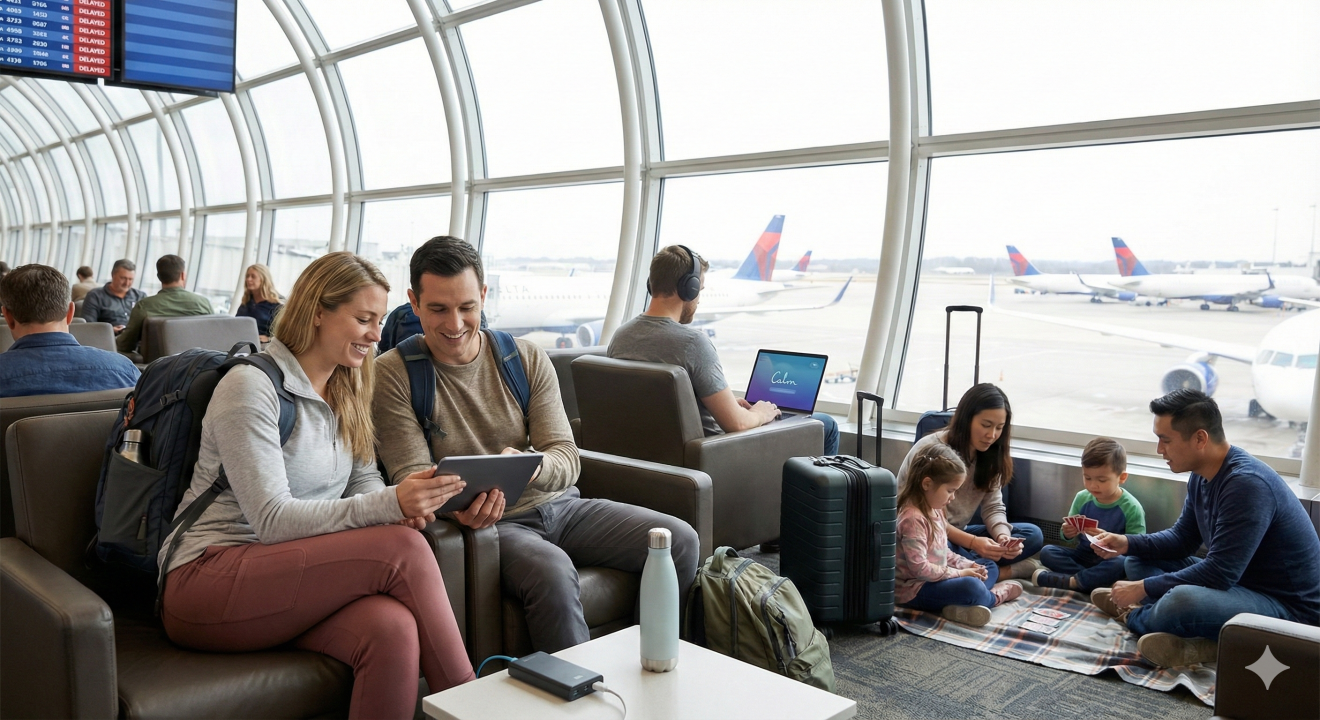
On January 5, 2026, the United States aviation sector experienced widespread operational disruptions resulting in 180 cancellations and 3,070 flight delays. This logistical breakdown affected major carriers including Delta, United, American, and Southwest, leaving thousands of passengers stranded at key transportation hubs. Hartsfield-Jackson Atlanta International Airport suffered the most significant impact, recording 540 delays and 27 cancellations. Other major terminals such as San Francisco International, Dallas-Fort Worth, and LaGuardia also reported substantial interruptions to their daily schedules. Delta Air Lines faced the heaviest individual burden among carriers, managing 512 delays and 31 cancellations within a single day.
Multiple factors contributed to this widespread stagnation. Adverse weather conditions were a primary driver, with high winds at San Francisco International causing ground delays averaging 143 minutes, and deicing procedures slowing operations in Albuquerque. Additionally, low cloud ceilings hampered flights in Aspen. Beyond weather, structural traffic management initiatives played a critical role. The Federal Aviation Administration implemented Airspace Flow Programs to regulate congestion, particularly in the southeast, which led to delays averaging nearly three hours for flights traversing specific airspaces.
In response to the chaos, passengers are advised to remain proactive by frequently checking airline apps for real-time status updates. Carriers are working to rebook affected travelers, though options may be limited due to the volume of displaced passengers. Travelers are encouraged to understand their rights regarding compensation for meals or lodging and to consider alternative airports if available. The situation highlights the fragility of air travel schedules when faced with a combination of inclement weather and airspace congestion, requiring patience and preparedness from those attempting to fly.