
- The division of cruise passengers into Structured Passengers and Independent Digital Navigators based on their reliance on technology
- The tendency of algorithms to direct tourist traffic to highly visible online locations rather than authentic or less crowded areas
- The necessity for destinations to optimize SEO and social media content to compete for economic relevance
- The practical limitations of AI itineraries regarding real-world factors like traffic congestion and strict ship schedules
The cruise tourism industry is undergoing a fundamental transformation driven by the rapid integration of digital tools, artificial intelligence, and social media. Historically, travelers explored destinations upon arrival, but the modern cruise experience now begins long before embarkation at the search bar. This shift toward “algorithmic travel” means that a destination’s digital visibility often outweighs its physical attributes in attracting visitors. Travelers now rely heavily on search engines, AI-powered apps, and social platforms to pre-plan every aspect of their shore excursions, from dining to sightseeing.
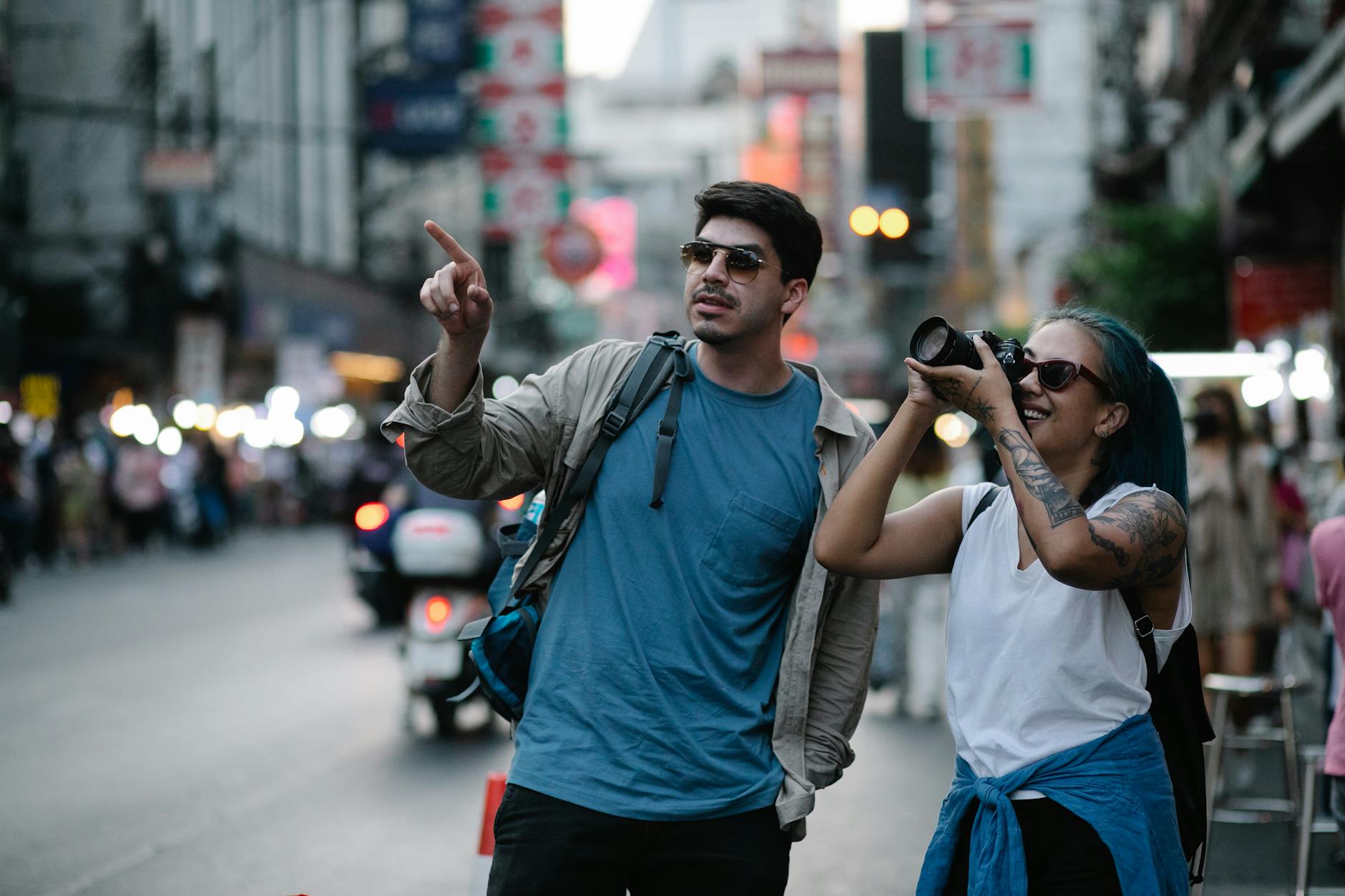
Experts have identified two primary types of passengers in this new era. “Structured Passengers” adhere to rigid, pre-planned itineraries and official excursions, largely unaffected by real-time digital influence. Conversely, the rapidly growing demographic of “Independent Digital Navigators” prioritizes spontaneity, relying on real-time data, Google reviews, and AI suggestions to guide their exploration. This heavy reliance on digital inputs means algorithms now dictate visitor flows, frequently funneling large crowds to high-ranking online locations while obscuring equally valuable but less visible sites.
However, this digital reliance is not without flaws. AI-generated itineraries, while personalized, often lack practical awareness of real-world constraints such as local traffic patterns or specific cruise ship schedules, potentially leading to logistical failures. To remain competitive, destinations must aggressively manage their digital footprint through Search Engine Optimization (SEO) and engaging social media content. Platforms like TikTok and Instagram have evolved into essential travel guides, and culinary interests are increasingly driving search traffic. Ultimately, tourism boards must “educate” algorithms by providing accurate, structured data to ensure their locations are ranked effectively, proving that in 2026, the success of a physical destination is inextricably checking linked to its virtual presence.