
- Fall 2025 is identified as an excellent season for viewing the Northern Lights due to favorable conditions in high-latitude regions.
- Key viewing locations in Scandinavia include Tromsø (Norway), Abisko (Sweden, known for its “blue hole”), and Rovaniemi (Finland, offering glass igloos).
- North American hotspots are Fairbanks (Alaska, a highly reliable US location) and Yellowknife (Canada, the “Aurora Capital of North America”).
- Destinations like Iceland (geothermal activity) and Svalbard (polar bears, remote Arctic wilderness) offer unique natural wonders beyond the aurora displays.
Fall 2025 is highlighted as an opportune season to witness the Northern Lights and explore exceptional natural wonders across high-latitude destinations. The article reviews seven key locations, noting that the combination of manageable temperatures and dark skies creates ideal viewing conditions for the aurora.
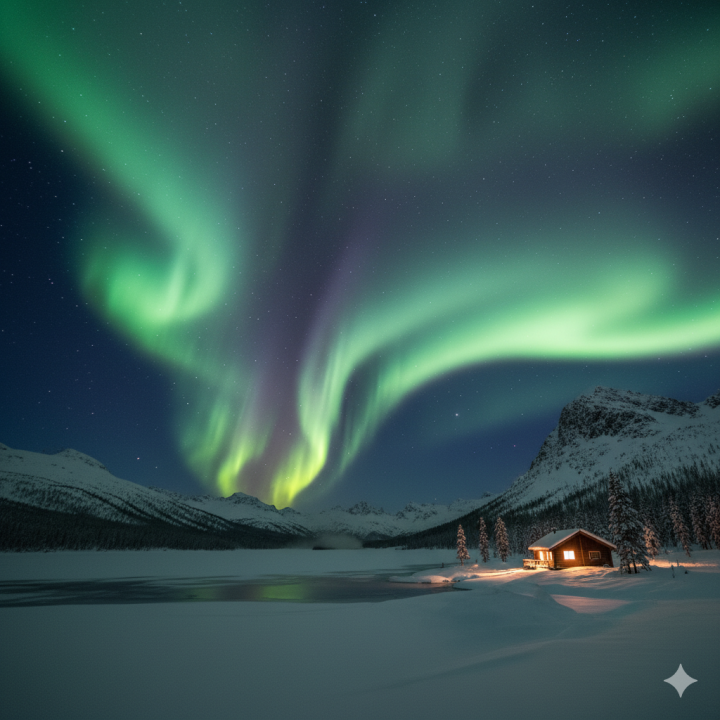
Tromsø, Norway, located under the auroral oval, is presented as a prime, accessible spot offering activities like dog sledding alongside a vibrant cultural scene. Abisko, Sweden, is noted for its unique “blue hole” microclimate, which contributes to clearer skies and exceptional aurora views from the Aurora Sky Station. In Rovaniemi, Finland, the hometown of Santa Claus, travelers can enjoy viewing the lights from unique accommodations like glass igloos while participating in classic Arctic adventures.
Across North America, Fairbanks, Alaska, is listed as one of the most reliable US locations for aurora sightings, while Yellowknife, Canada, is dubbed the “Aurora Capital of North America” for its frequency of displays. Beyond the aurora zone, Iceland offers dramatic volcanic landscapes, geysers, and glaciers, providing a diverse set of outdoor activities.
Finally, Svalbard, Norway, is featured as a remote, unique Arctic wilderness experience, offering opportunities to see polar bears and glaciers. These destinations collectively provide a range of settings and activities for travelers seeking natural beauty and the majestic aurora during the autumn season.