
- The program will officially conclude following the Antarctic season in March.
- Low guest participation rates made the continued operation of the submarines unsustainable.
- Specialized technical requirements for maintenance and recertification created significant logistical hurdles.
- Evolving maritime regulations and geographical restrictions limited the locations where the submarines could legally operate
Seabourn has officially announced the conclusion of its submarine excursion program, effective at the end of the current Antarctic season in March 2026. This decision affects the line’s ultra-luxury expedition vessels, specifically the Seabourn Pursuit and Seabourn Venture, which were originally designed to carry custom-built submarines for guest exploration. The removal of these high-tech submersibles marks a shift in the brand’s expedition offerings and reflects broader operational challenges within the niche world of deep-sea passenger travel.
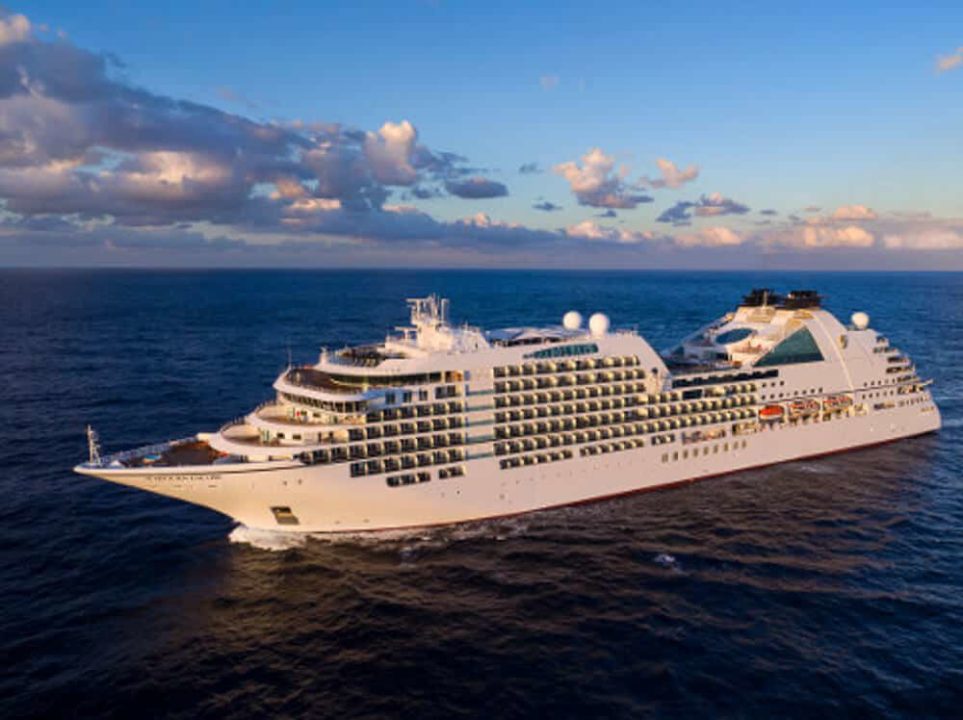
Several factors contributed to the discontinuation of the program. Primary among these is the low rate of passenger participation. Despite the unique nature of submarine dives, the actual engagement from guests did not meet the levels required to sustain the initiative. Furthermore, the logistical burden of maintaining these vessels is significant. Operating submarines requires highly specialized technical expertise for routine maintenance and complex recertification processes to ensure safety standards are met. The costs and technical requirements associated with keeping the fleet operational and compliant were increasingly difficult to justify given the limited guest interest.
Beyond internal logistics, the regulatory environment for submersible operations has become more restrictive. International and regional maritime authorities have implemented stricter guidelines and geographical limitations on where these vessels can be deployed. These evolving regulations have reduced the number of viable dive sites, making it harder for the cruise line to offer a consistent and diverse underwater experience across its itineraries.
While the submarines will no longer be part of the onboard experience after the March deadline, Seabourn continues to focus on its core expedition activities. The transition indicates a reallocation of resources toward other experiential travel features that see higher engagement and face fewer regulatory hurdles. This move reflects a broader trend in the expedition cruise industry where operators must balance the desire for cutting-edge technology with the practical realities of safety, maintenance, and changing environmental laws.