
- Shift toward smaller vessels and secondary ports to mitigate the negative impacts of overtourism.
- Emphasis on cultural immersion through community-led shore excursions and authentic local engagement.
- Integration of sustainable technologies such as LNG-powered ships and shore-power infrastructure to reduce emissions.
- Expansion of niche markets including luxury wellness tourism, sports-themed packages, and adventure-led expedition cruises.
In 2026, the European cruise industry is undergoing a fundamental transformation characterized by a shift toward smaller, eco-friendly ships and thoughtfully designed itineraries. This change is largely driven by increasing concerns regarding overtourism and environmental sustainability, prompting cruise lines to move away from high-volume, large-scale voyages. By adopting more intimate travel models, operators aim to reduce port congestion and enhance local engagement, ensuring that popular destinations remain protected for future generations. Brands like Azamara, Viking, and Hurtigruten are at the forefront of this movement, utilizing smaller vessels to access alternative ports and offer passengers more meaningful cultural immersion.
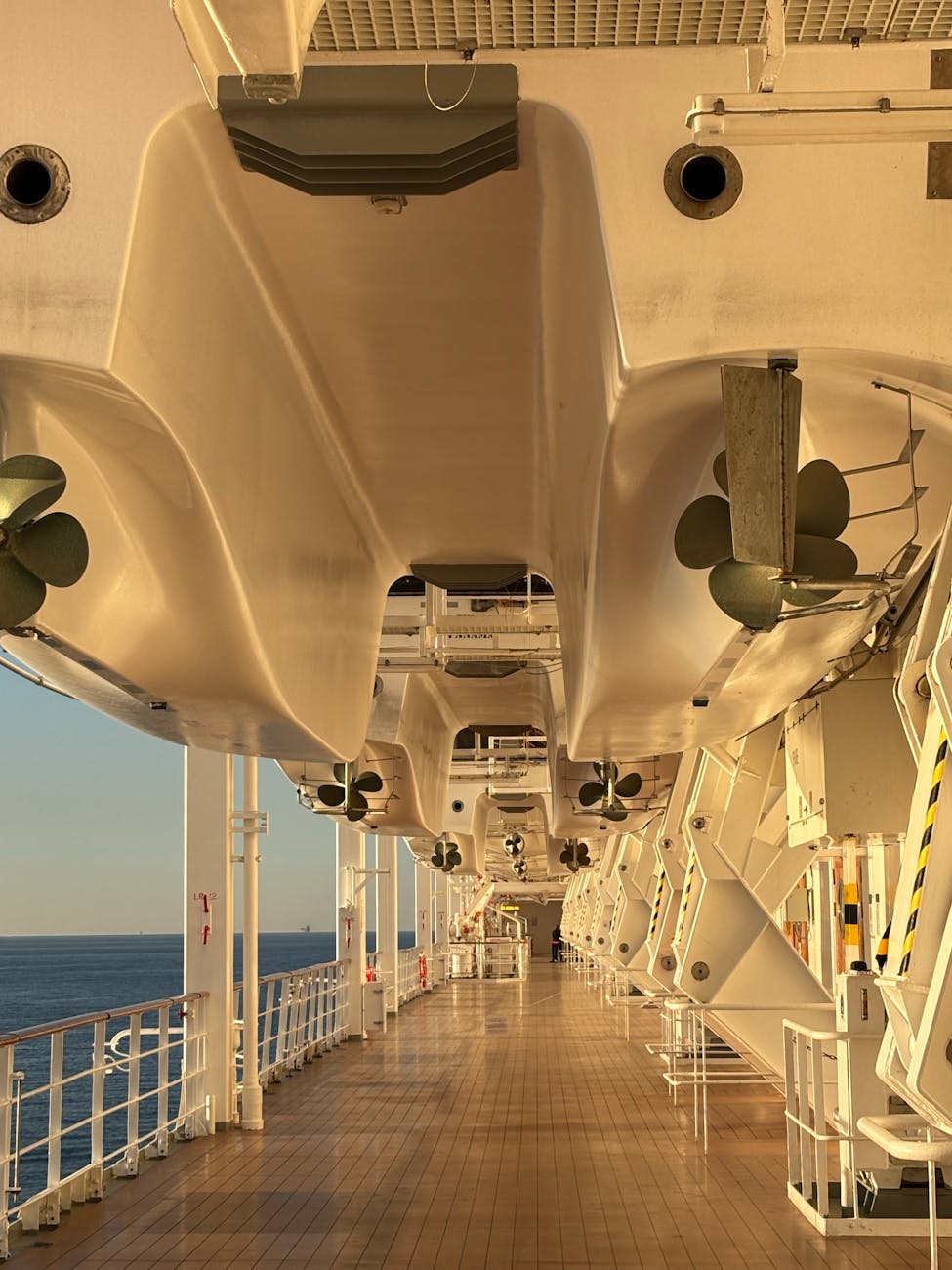
The evolution of cruising also extends to specialized and luxury experiences. Luxury lines such as Regent Seven Seas and Silversea are catering to a demand for personalized travel that emphasizes wellness, exclusivity, and extended port stays. Simultaneously, expedition cruising is gaining traction in remote regions like Norway and the Arctic, where travelers seek wildlife encounters and expert-led exploration. River cruises also continue to thrive by providing scenic, low-impact journeys through Europe’s historic waterways, focusing on gastronomy and heritage. Even sports tourism has found a place in the market through exclusive Formula 1-themed cruise packages that blend luxury with the excitement of racing.
Technological advancements are central to these industry changes. Cruise operators are heavily investing in greener technologies, including liquefied natural gas (LNG) power and shore-power infrastructure, to meet stricter environmental regulations and consumer expectations. This eco-conscious approach is further reflected in the industry’s efforts to attract younger demographics, such as Millennials and Gen Z, who value sustainability and authentic experiences. By offering flexible itineraries and wellness-focused programs, European cruises are repositioning themselves as a modern, responsible choice for global travelers seeking a balance between adventure, luxury, and social responsibility.