
Important Topics to Know
- Multiple cruise lines have canceled regional sailings and are holding ships in safe ports like Dubai and Doha until conditions improve
- The United Arab Emirates government and local tourism authorities are providing financial support for hotel accommodations and meals for stranded travelers
- Major airlines have issued flexible travel waivers and are coordinating with global embassies to manage large-scale repatriation efforts
- Passengers currently on board ships are reported to be safe and are receiving free communication services and updated safety protocols from crew members
The ongoing The ongoing military conflict in the Middle East has created a significant impact on the international cruise and aviation sectors, leading to widespread cancellations and logistical challenges as of early March 2026. Following joint strikes by the United States and Israel against Iran, and subsequent retaliatory actions across the region, critical transportation corridors have been restricted. Major cruise operators including MSC Cruises and Celestyal Cruises have been forced to suspend their regional itineraries. Specifically, the MSC Euribia is currently stationary in Dubai, with its upcoming departures through mid-March officially canceled. Similarly, Celestyal Cruises has halted its operations for the Celestyal Journey and Celestyal Discovery, with vessels remaining in Doha and Dubai to prioritize passenger safety.

The situation on board these vessels is reported to be stable and calm. To assist those currently on ships, MSC Cruises has provided complimentary Wi-Fi and is covering the cost of meals and accommodations. Meanwhile, Celestyal Journey is scheduled to remain in Doha until at least March 7, at which point the company hopes to resume its scheduled itineraries if operating conditions stabilize. For passengers aboard the Celestyal Discovery in Dubai, disembarkation has been delayed due to instructions from local authorities, though the cruise line is working with regional officials to facilitate safe transfers to airports as soon as permission is granted.

Aviation hubs in Dubai, Abu Dhabi, and Doha are facing similar paralysis due to the closure of regional airspace. Major carriers like American Airlines, Delta, and United have issued extensive travel waivers, allowing passengers to reschedule or refund flights through mid-March. The impact has extended to local infrastructure, with reports of debris and minor fire damage at high-profile properties such as the Burj al-Arab and Fairmont The Palm. In a supportive move, the Abu Dhabi Department of Culture and Tourism has requested that local hotels extend the stays of stranded travelers at the government’s expense.

Repatriation remains a complex humanitarian and logistical priority. Governments from Germany, the Czech Republic, and Indonesia are actively coordinating with airlines and embassies to arrange evacuation flights for thousands of citizens. While some limited flights have begun to depart from the United Arab Emirates, travelers are generally advised to shelter in place and monitor official communications rather than proceeding to airports without confirmation. Cruise lines are offering full refunds or future cruise credits to those affected by the cancellations, maintaining a focus on safety and guest welfare as the industry navigates this period of geopolitical instability.
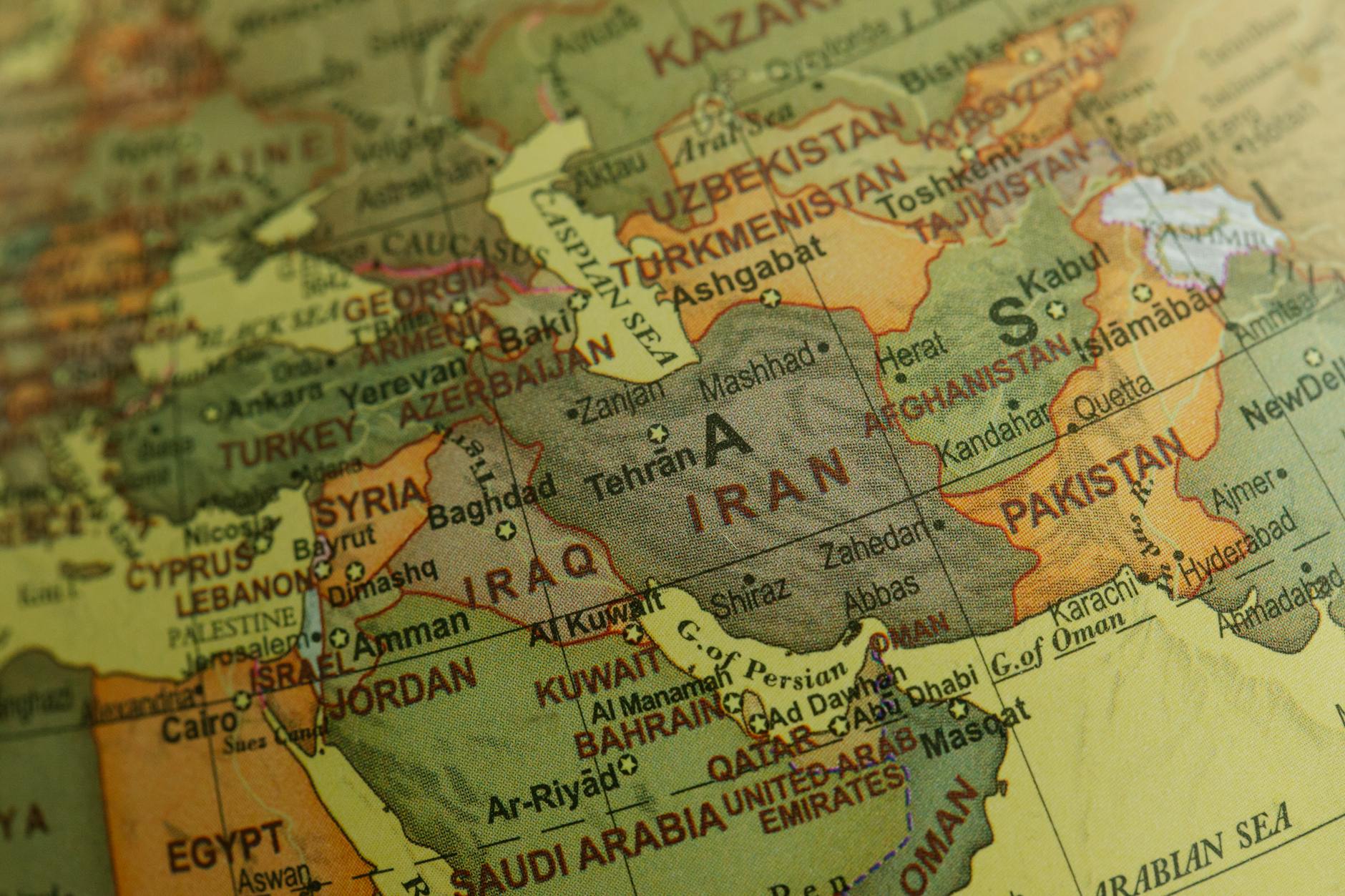
Passengers currently on board ships are reported to be safe and are receiving free communication services and updated safety protocols from crew members has created a significant impact on the international cruise and aviation sectors, leading to widespread cancellations and logistical challenges as of early March 2026. Following joint strikes by the United States and Israel against Iran, and subsequent retaliatory actions across the region, critical transportation corridors have been restricted. Major cruise operators including MSC Cruises and Celestyal Cruises have been forced to suspend their regional itineraries. Specifically, the MSC Euribia is currently stationary in Dubai, with its upcoming departures through mid-March officially canceled. Similarly, Celestyal Cruises has halted its operations for the Celestyal Journey and Celestyal Discovery, with vessels remaining in Doha and Dubai to prioritize passenger safety.
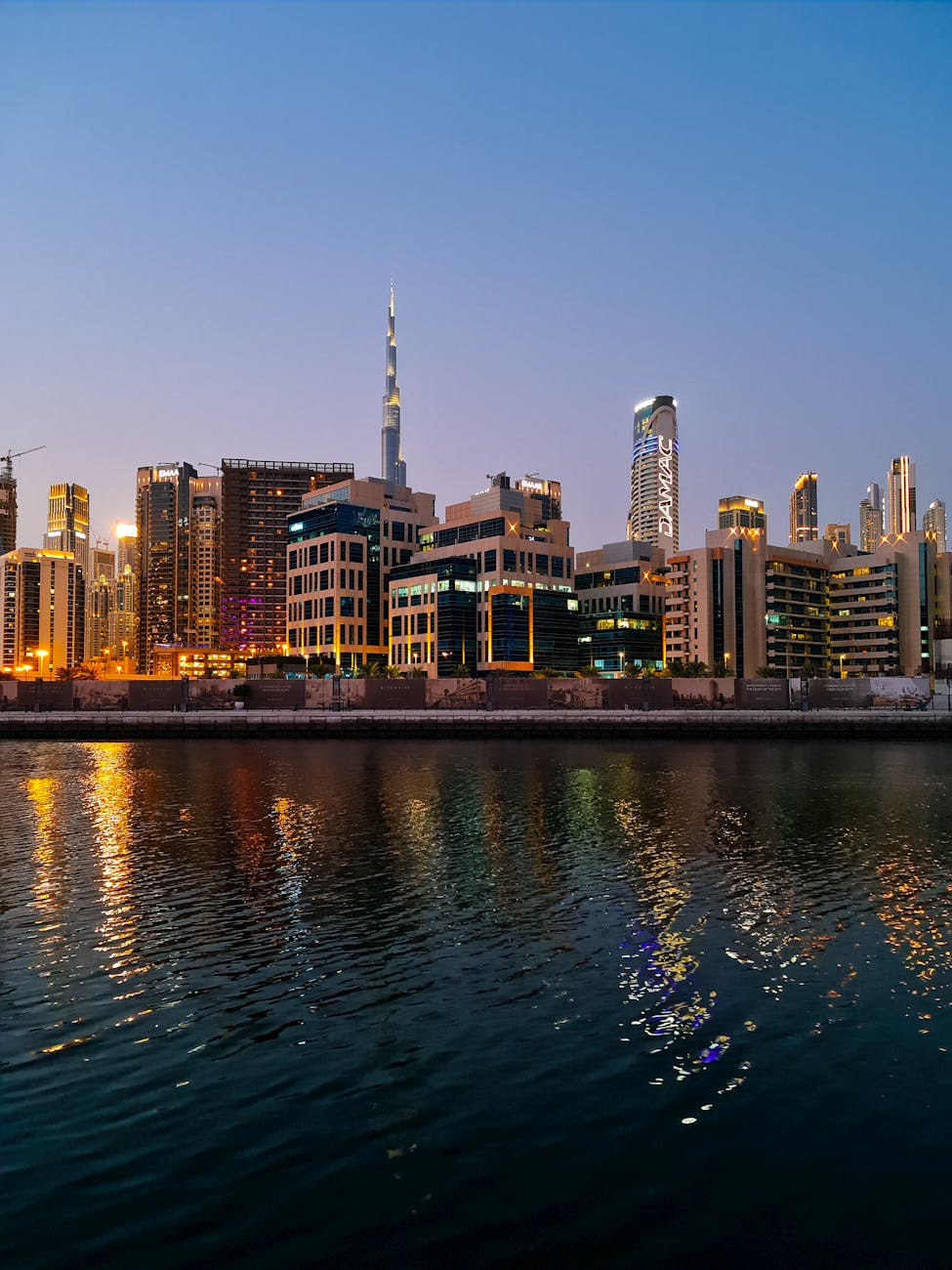
Multiple cruise lines have canceled regional sailings and are holding ships in safe ports like Dubai and Doha until conditions improve. The United Arab Emirates government and local tourism authorities are providing financial support for hotel accommodations and meals for stranded travelers. Major airlines have issued flexible travel waivers and are coordinating with global embassies to manage large-scale repatriation efforts

The situation on board these vessels is reported to be stable and calm. To assist those currently on ships, MSC Cruises has provided complimentary Wi-Fi and is covering the cost of meals and accommodations. Meanwhile, Celestyal Journey is scheduled to remain in Doha until at least March 7, at which point the company hopes to resume its scheduled itineraries if operating conditions stabilize. For passengers aboard the Celestyal Discovery in Dubai, disembarkation has been delayed due to instructions from local authorities, though the cruise line is working with regional officials to facilitate safe transfers to airports as soon as permission is granted.

Aviation hubs in Dubai, Abu Dhabi, and Doha are facing similar paralysis due to the closure of regional airspace. Major carriers like American Airlines, Delta, and United have issued extensive travel waivers, allowing passengers to reschedule or refund flights through mid-March. The impact has extended to local infrastructure, with reports of debris and minor fire damage at high-profile properties such as the Burj al-Arab and Fairmont The Palm. In a supportive move, the Abu Dhabi Department of Culture and Tourism has requested that local hotels extend the stays of stranded travelers at the government’s expense.

Repatriation remains a complex humanitarian and logistical priority. Governments from Germany, the Czech Republic, and Indonesia are actively coordinating with airlines and embassies to arrange evacuation flights for thousands of citizens. While some limited flights have begun to depart from the United Arab Emirates, travelers are generally advised to shelter in place and monitor official communications rather than proceeding to airports without confirmation. Cruise lines are offering full refunds or future cruise credits to those affected by the cancellations, maintaining a focus on safety and guest welfare as the industry navigates this period of geopolitical instability.