
- Statistical Leaders in Risk: Wyoming, South Carolina, and New Mexico represent the highest statistical risk for speeding-related crashes during the November holiday period.
- The “Time-Saving” Fallacy: Increasing speed from 65 mph to 80 mph on a 200-mile trip saves only about 23 minutes, a gain that rarely justifies the increased risk of a crash or citation.
- Proactive Trip Planning: Utilizing real-time traffic updates and state Department of Transportation resources can help drivers anticipate construction zones and enforcement campaigns.
- Vehicle Maintenance and Safety: Proper tire inflation and brake inspections are critical technical checks that directly influence a vehicle’s ability to handle emergency maneuvers at highway speeds
A recent study by Wilk Law Personal Injury & Accident Lawyers analyzed five years of crash data to identify the most dangerous U.S. states for speeding-related accidents during the month of November. The findings reveal that Wyoming is the most hazardous state for Thanksgiving travel, with 11.60 speeding crashes per million licensed drivers. This rate is 212% higher than the national average. South Carolina and New Mexico follow as the second and third most dangerous states, respectively, both showing significantly elevated risks compared to the rest of the country.
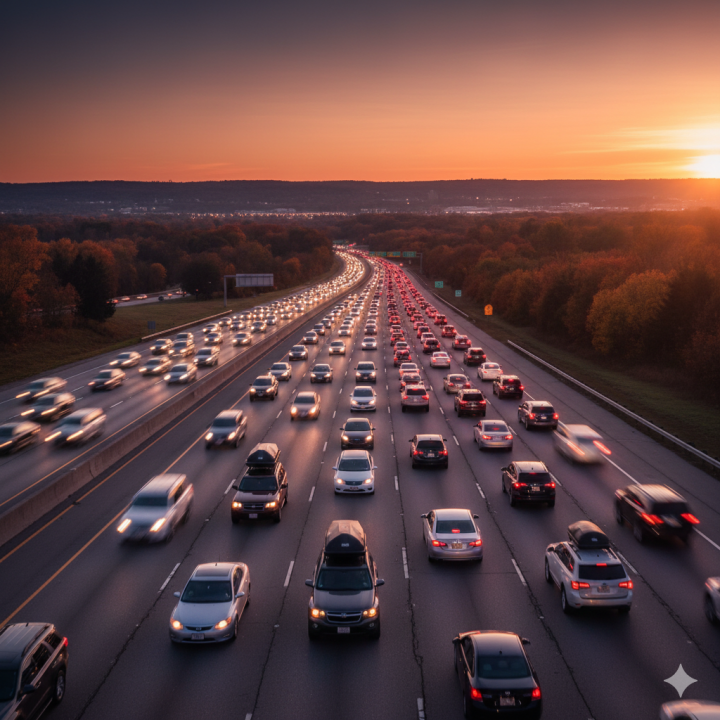
The data suggests that several factors contribute to these spikes in holiday roadway incidents. Travelers often face heavy traffic, adverse weather conditions, and the pressure of reaching family gatherings on time, which can lead to impatience and excessive speed. Experts noted that rural highways in states like Montana and Wyoming are particularly vulnerable to catastrophic outcomes when drivers exceed speed limits. In contrast, Florida was identified as the safest state for holiday travel regarding speeding incidents, with a rate 61% below the national average.
To mitigate these risks, the study recommends several proactive measures for holiday motorists. Drivers are encouraged to add a 20% time buffer to their travel estimates to reduce the urge to rush. Maintaining proper vehicle health, specifically tire pressure and brake functionality, is essential for safe stopping distances. Additionally, utilizing GPS apps with speed limit warnings and setting cruise control to legal limits can help drivers avoid enforcement penalties and accidents. With increased law enforcement presence typically expected during Thanksgiving week, maintaining a legal and consistent speed is highlighted as a primary method for ensuring a safe arrival.

To ensure your vehicle is prepared for high-risk holiday travel, you can use this technical checklist derived from the study’s safety recommendations.
Pre-Trip Vehicle Safety Checklist
| Component | Action Item | Target Specification |
| Tires | Check PSI when tires are cold | 32–35 PSI (or per door jamb sticker) |
| Brakes | Listen for audible irregularities | No squealing, grinding, or vibrations |
| Speedometer | Verify accuracy against GPS | 1:1 ratio with satellite speed data |
| Cruise Control | Test engagement and disengagement | Must maintain steady speed on level roads |
| Navigation | Enable speed limit notifications | Alerts active for zone changes |
| Fluids | Check windshield washer level | Full reservoir for winter visibility |
Critical Travel Reminders
- The Buffer Rule: Add a 20% time buffer to your GPS estimated time of arrival to eliminate the psychological urge to speed when encountering delays.
- Enforcement Windows: Be especially vigilant during peak enforcement hours, which typically occur between 6:00 AM – 10:00 AM and 4:00 PM – 8:00 PM.
- Rural Risks: In states like Wyoming and Montana, maintain legal speeds even on empty stretches, as rural highway geometry makes excessive speed significantly more lethal.
- The 23-Minute Reality: Remember that aggressive speeding over long distances saves negligible time while exponentially increasing the probability of a catastrophic collision.