
- Panamá’s Colonial Transisthmian Route received UNESCO recognition in 2025, defining a concentrated Historic Circuit.
- The circuit links the capital to the Caribbean coast via ancient commerce routes like the Camino de Cruces and Camino Real.
- The Historic Circuit includes the colonial ruins of Panama Viejo, the cultural hub of Casco Antiguo, and the military Fortifications of Portobelo-San Lorenzo.
- Panamá also has three major Natural World Heritage Sites and several recognized Intangible Cultural Heritages, such as the Congo culture.
Panamá offers one of the most concentrated collections of UNESCO World Heritage sites near Panama City, highlighted by the newly recognized Colonial Transisthmian Route, which was inscribed in 2025. This designation connects three previously recognized heritage sites, tracing a historic path of commerce, culture, and conquest between the Pacific and Caribbean coasts.
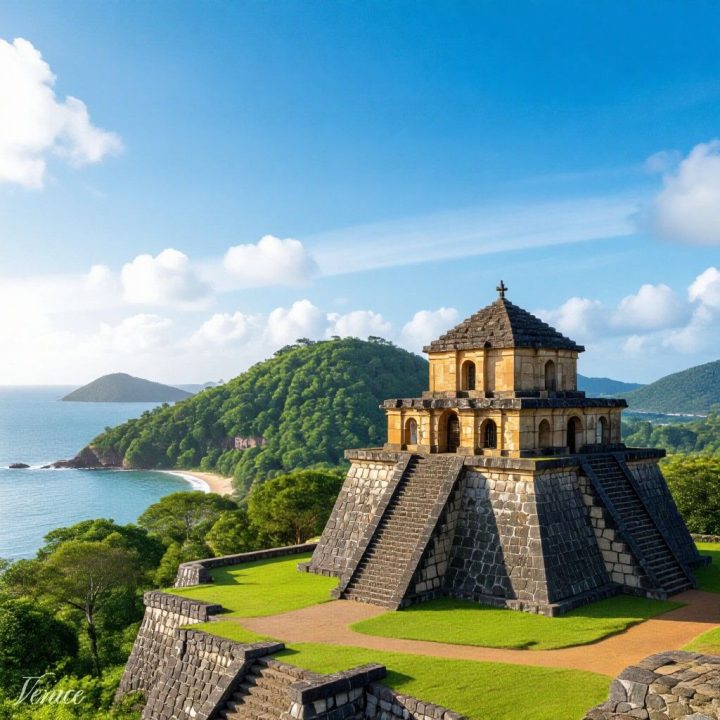
The route incorporates two types of historic jungle trails—Camino de Cruces and Camino Real—which were once used to transport gold, silver, and merchandise, and were frequently traversed by pirates. This corridor links the capital with the ruins of Panama Viejo, the vibrant Casco Antiguo, and the Caribbean strongholds of Portobelo and San Lorenzo.
The circuit includes the Archaeological Site of Panama Viejo & Casco Antiguo (1997). Panama Viejo, founded in 1519, was the first European settlement on the Pacific coast before its destruction in 1671; its ruins offer a tangible glimpse into early history. The relocated settlement, Casco Antiguo, is now a cultural and gastronomic hub, recognized as a UNESCO Creative City. The other key cultural component is the Fortifications on the Caribbean Side of Panamá: Portobelo-San Lorenzo (1980), which served as vital Spanish commercial ports and showcase colonial military architecture, while Portobelo also preserves the intangible cultural heritage of the Congo people.
Beyond the Historic Circuit, Panamá’s commitment to heritage conservation extends to three Natural World Heritage Sites—Darien, Coiba, and La Amistad National Parks—which highlight its role as a biodiversity bridge.