
- Massive earthquake risk from the Cascadia Subduction Zone
- Vulnerability of unreinforced masonry buildings in Portland
- Financial conflict between property owners and safety mandates
- Predicted coastal subsidence and immediate tsunami threats
In 2018, a Portland City Council meeting drew a massive crowd, not out of collective concern for seismic safety, but largely in protest against mandatory earthquake retrofit policies. Chris Goldfinger, a prominent earthquake scientist and emeritus professor at Oregon State University, attended to provide expert testimony on the Cascadia Subduction Zone. This fault, located roughly 125 miles offshore, is capable of producing a magnitude 9.0 earthquake. Such an event would likely cause catastrophic damage across the Pacific Northwest, including severe shaking in cities like Portland and Seattle and devastating tsunamis and land subsidence along the coast.
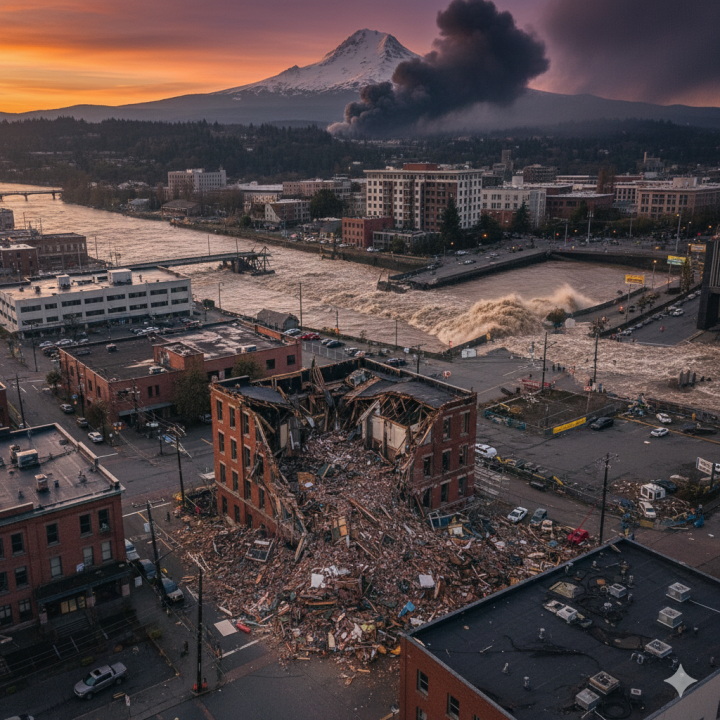
The primary conflict at the meeting involved owners of unreinforced masonry (URM) buildings. These structures, often made of brick and built before modern seismic codes, are highly susceptible to total collapse during intense shaking. City officials had proposed a policy requiring building owners to reinforce these structures to protect public safety. However, many property owners, including leaders of historic churches and affordable housing advocates, expressed significant anger over the high financial burden of these mandates. They argued that the costs of retrofitting would lead to demolished historic sites and increased displacement of vulnerable residents.
Ultimately, the council shifted toward more lenient requirements, extending timelines for retrofits and debating the use of warning placards on unsafe buildings. Goldfinger expressed disappointment at the outcome, noting that the political focus on immediate financial costs often overshadowed the long-term reality of the seismic risk. While the Pacific Northwest remains “overdue” for a major rupture, the tension between economic feasibility and life safety continues to complicate resilience planning. Recent studies from 2025 further emphasize that a major quake could cause coastal land to sink by up to six feet, instantly doubling flood risks and highlighting the urgent need for infrastructure updates despite the associated costs.