
- Viral Visual Contrast: A photo comparing the massive Icon of the Seas to a standard cruise ship sparked a viral discussion focused on the overwhelming scale of modern vessels
- Environmental Concerns: Critics and reports highlight that cruise ships generate significant sewage and have a higher carbon footprint per passenger than airplanes
- Industry Growth: Despite environmental criticisms, the cruise industry continues to expand, with AAA projecting a busy 2026 and notable increases in passenger numbers
- Public Scrutiny: Social media users expressed strong disapproval of mega-ships, calling for better sustainability practices or even the repurposing of ships for disaster relief
A recent viral photograph has ignited a significant debate regarding the environmental impact and sheer scale of modern mega-ships. The image, posted on Reddit’s r/megalophobia subreddit, captured Royal Caribbean’s Icon of the Seas docked next to a smaller Carnival vessel in Costa Maya. While the original poster intended to highlight the visual magnitude of the ship, which triggered their fear of large objects, the discussion among users quickly pivoted to criticism of the cruise industry’s environmental footprint.
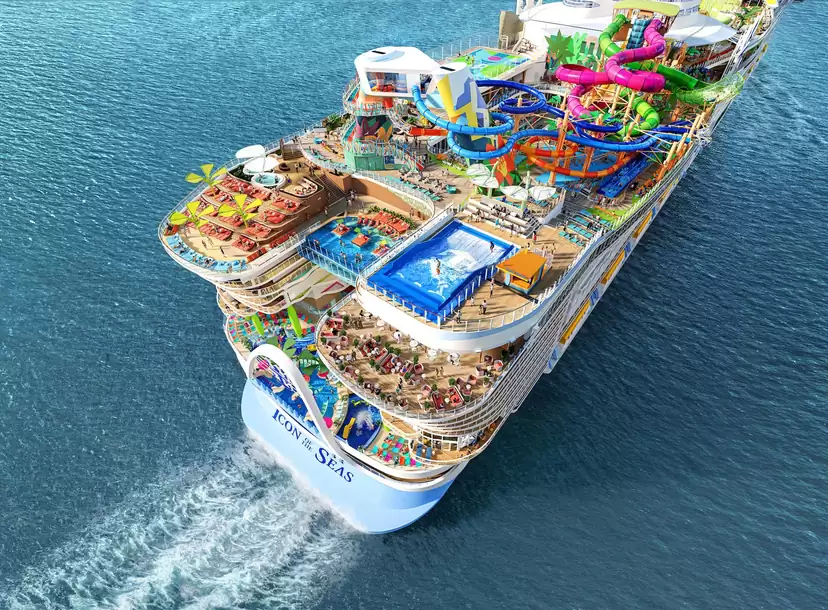
The article notes that despite the backlash, the cruise industry is experiencing a surge in popularity, with AAA estimating an 8.4% increase in ocean cruises between 2024 and 2025. However, this growth contrasts sharply with data cited from environmental organizations. The text references an EPA estimate stating that a standard 3,000-person cruise ship generates over 176,000 gallons of sewage weekly. This statistic raises concerns regarding the Icon of the Seas, which has a capacity of 7,600 passengers. Furthermore, reports from the BBC and the International Council on Clean Transportation suggest that even the most efficient cruise ships emit more carbon dioxide per passenger kilometre than commercial jets.
Public sentiment in the online comments was largely negative, with users describing the ship as “disgusting” rather than scary. Commenters referenced older studies comparing cruise ship emissions to those of millions of cars and questioned the necessity of such vessels without stricter sustainability measures. The incident underscores a growing tension between the commercial success of the cruise sector and increasing public scrutiny regarding its ecological responsibility.
