
- The US implemented a new biometric entry-exit system effective October 27, 2025, mandating facial recognition data collection for all foreign nationals at all ports of entry and exit.
- The rule applies to all foreign travelers, including Green Card holders and those previously exempted, such as children under 14 and seniors over 79.
- The system is designed to prevent visa overstays, detect travel document fraud, and enhance national security by comparing biometric data collected upon arrival and departure.
- The measure has raised concerns among privacy advocates due to the mandatory nature of the collection and the potential for non-citizens’ data to be stored for up to 75 years.
The United States has implemented a comprehensive new biometric entry-exit system that mandates the collection of facial recognition data from all foreign nationals at US borders. This new rule, which took effect on October 27, 2025, significantly expands data collection at airports, seaports, and land crossings, applying to virtually all non-citizens, including Green Card holders and age groups previously exempted (children under 14 and the elderly over 79).
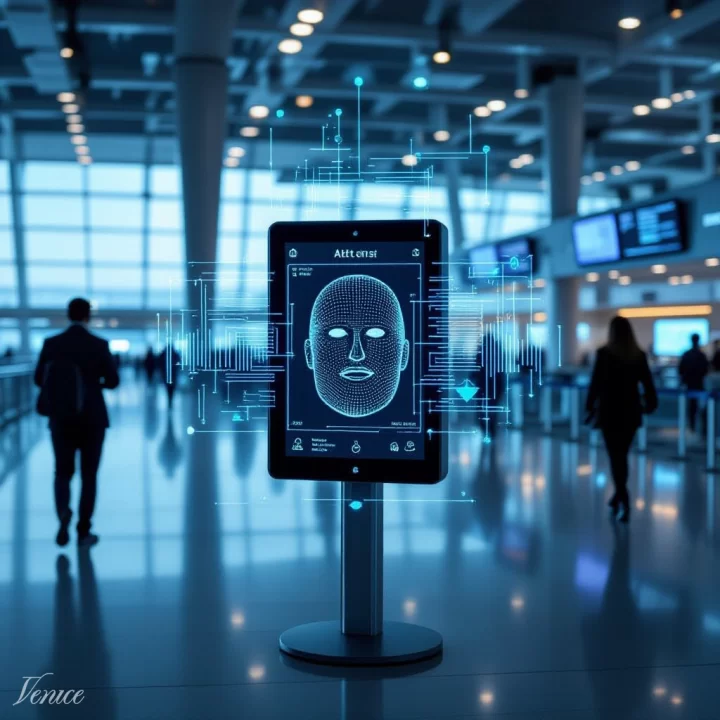
The primary objectives of this measure are to bolster national security, prevent visa overstays, and combat the fraudulent use of travel documents. The system captures facial recognition data upon both entry and exit, comparing the biometrics to identify discrepancies. Any inconsistencies detected through this comparison could lead to serious consequences, including detainment or rendering a traveler inadmissible to the US. US citizens and nationals remain exempt from this mandatory requirement.
This regulation represents a tightening of border controls and aligns with a global trend toward using advanced biometric technology for immigration enforcement. While proponents argue the system offers a more reliable and efficient method for identity verification and immigration tracking, the expansion has generated concerns among privacy advocates regarding the potential for data misuse and the accuracy of facial recognition technology, particularly for certain demographic groups. Photos of non-citizens may be retained in government databases for up to 75 years.