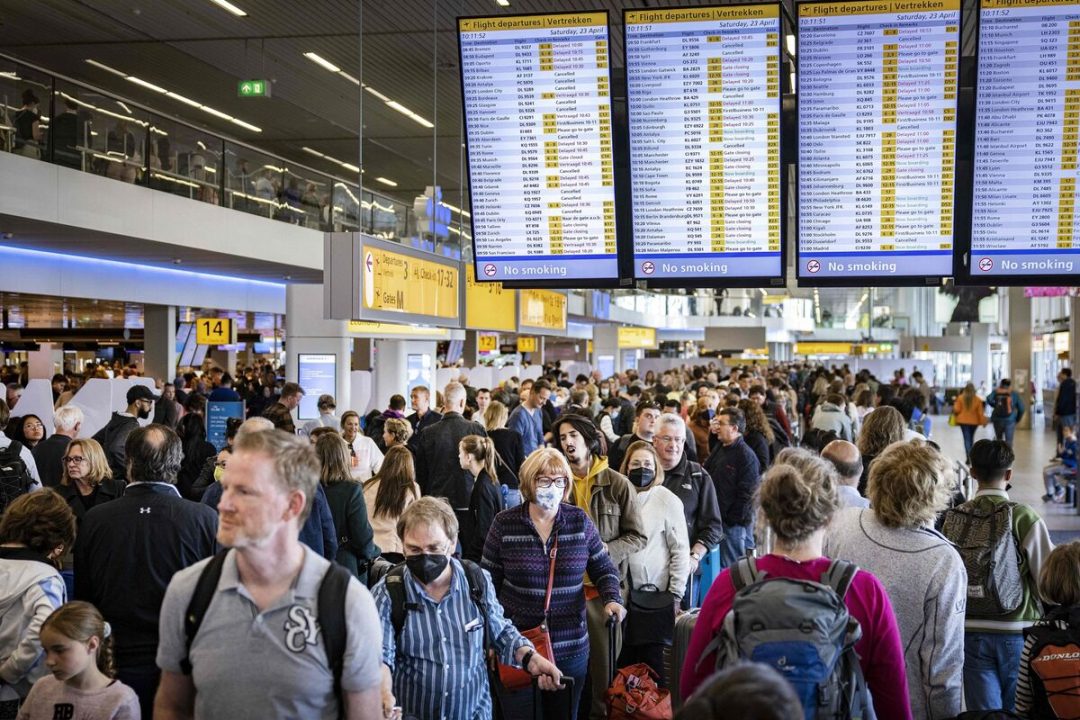
- Significant Impact on Middle Eastern and European Carriers: Airlines like Qatar Airways, Emirates, Etihad, Air France, British Airways, and Turkish Airlines have been most severely affected by route closures and increased costs.
- Surge in Global Flight Cancellations: Data indicates a 20 percent increase in worldwide flight cancellations in June, largely attributed to the Israel-Iran conflict.
- Geopolitical vs. Weather Disruptions: While the Middle East and Europe experienced conflict-driven flight issues, North America’s disruptions were mainly due to severe weather.
- Increased Need for Airline Agility and Traveler Preparedness: Airlines must enhance their ability to adapt to global events, and travelers should be prepared for potential disruptions with flexible plans and real-time updates.
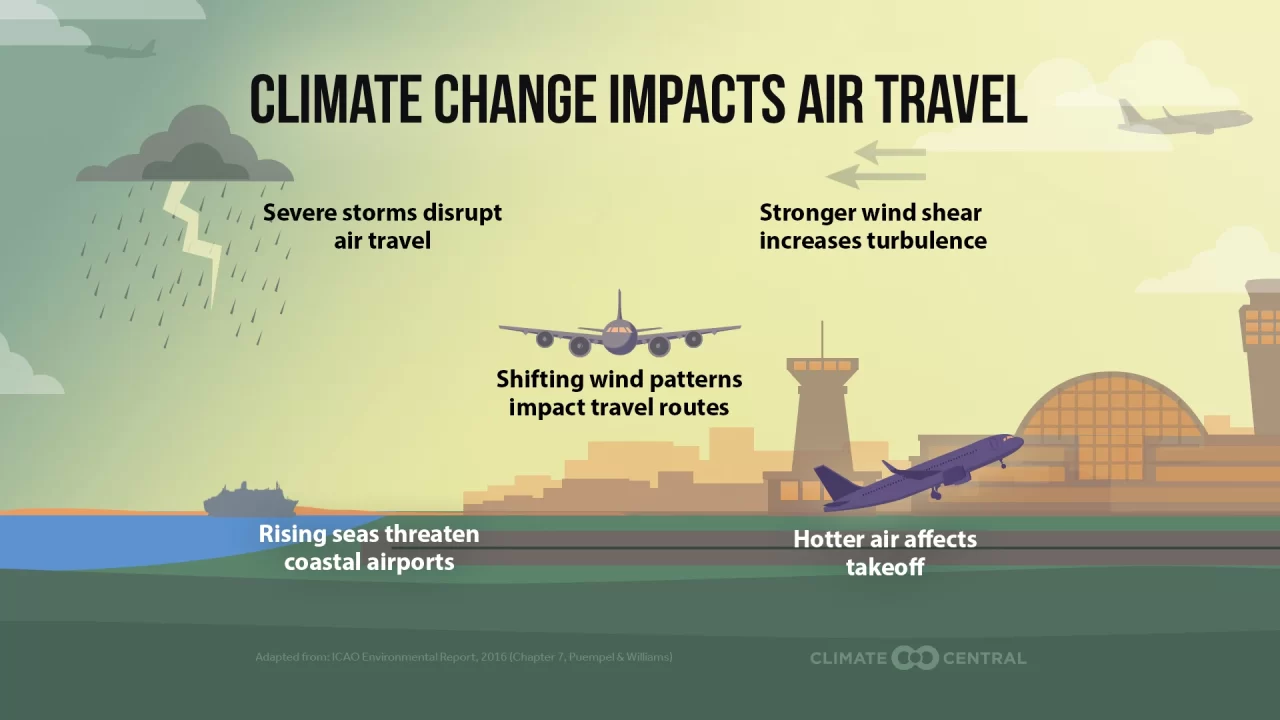
The ongoing Middle East conflict has significantly impacted global air travel, creating widespread disruptions for airlines and passengers alike. While carriers such as Delta, United, Singapore Airlines, and Cathay Pacific have experienced challenges, Qatar Airways, Emirates, Etihad, Air France, British Airways, and Turkish Airlines have faced the most substantial hit.
The conflict has led to sudden route closures, increased operational costs, and numerous flight disruptions. Data from aviation analytics firm Cirium reveals a 20 percent surge in worldwide flight cancellations in June compared to May, primarily due to heightened geopolitical tensions between Israel and Iran from June 13 to 24.

The Middle East region saw the most dramatic increase in cancellations, with a staggering 200 percent jump. This turmoil significantly affected major Gulf carriers like Emirates and Qatar Airways, impacting their on-time performance. The disruption also extended to Europe, where flight cancellations rose by 27 percent month-on-month, impacting leading airlines such as Lufthansa and Air France, which rely on Middle East airspace for efficient routes to Asia and Africa.
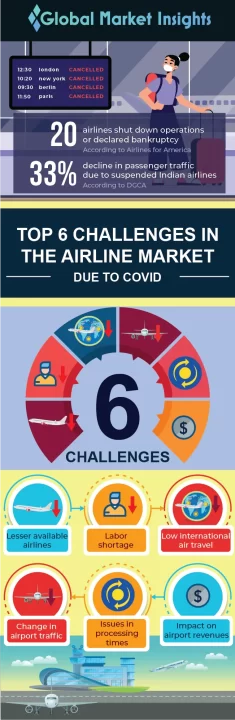
In contrast, North America’s flight issues in June were primarily due to severe weather, while the Asia Pacific region experienced a modest decrease in cancellations, showing relative stability. Despite these global challenges, some airlines, like Saudia, demonstrated remarkable punctuality.
The industry is now recognizing that agility and constant monitoring of global events are crucial, as geopolitical events can disrupt aviation networks as severely as pandemics or weather. Travelers are encouraged to stay informed and flexible, as smart planning can help navigate these evolving conditions.