

- Venice’s Aggressive Overtourism Measures: Venice has implemented a dynamic entry fee (€5-€15) for day-trippers on peak days, with significant fines for non-compliance, specifically targeting visitor behavior to manage crowds.
- Global Trend of Rising Tourist Taxes: Numerous popular destinations worldwide (including Greece, Spain, Japan, Thailand, Indonesia, Netherlands) are introducing or increasing tourist taxes/fees in 2025 to manage visitor numbers, fund infrastructure, and promote sustainability.
- Shift Towards Behavior-Driven Tourism Management: Beyond just raising revenue, some destinations, notably Venice and Amsterdam, are implementing policies and campaigns aimed at discouraging certain types of tourism (e.g., short, unmanaged day trips; disruptive party tourism) and curating visitor behavior.
- Increased Traveler Responsibility Required: The new landscape of tourist taxes and regulations necessitates that travelers be more proactive in their planning, checking local rules, booking in advance, considering off-peak travel, and understanding their financial contributions to the destinations they visit.
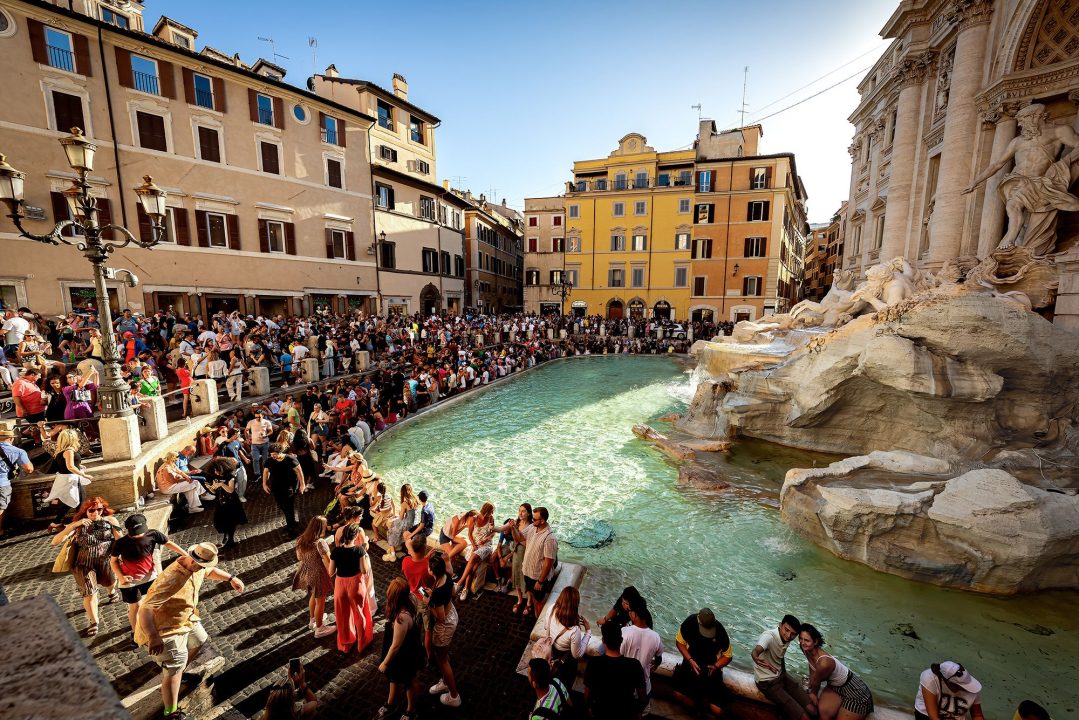
A growing number of popular tourist destinations, including Italy, Greece, Japan, Spain, Thailand, Indonesia, and the Netherlands, are implementing or increasing tourist taxes and fees to combat overtourism, fund infrastructure, and protect local communities and environments. While the specific mechanisms vary, the overarching trend indicates a global shift towards more managed and financially sustainable tourism. Italy, particularly Venice, is taking a notably aggressive stance by targeting not just budgets but also visitor behavior.
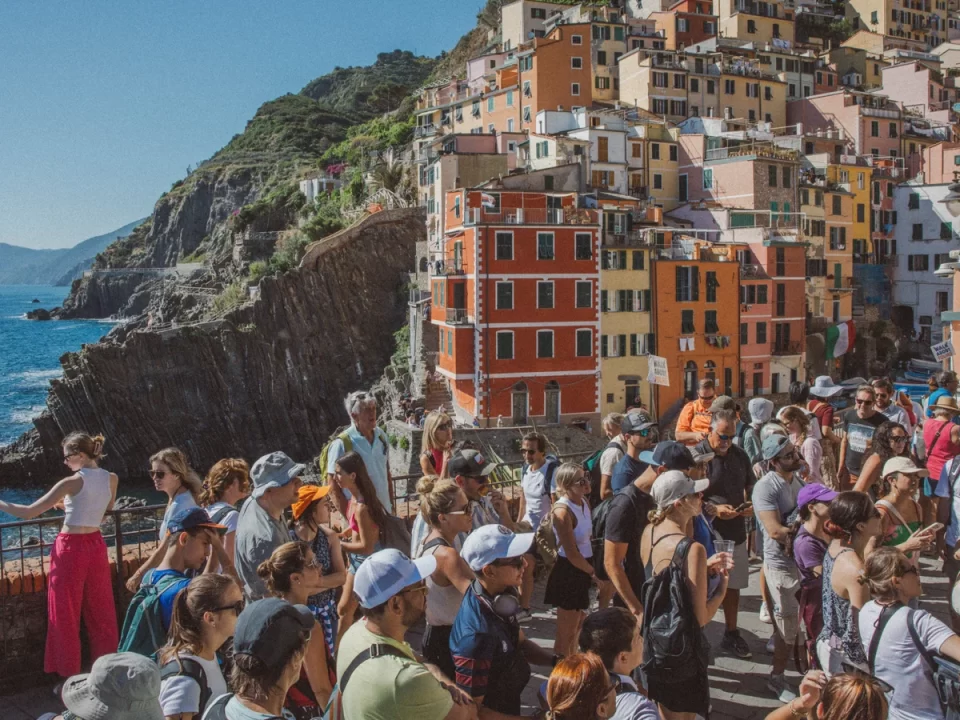
Venice’s new system, which took effect on select days in 2025, involves a €5 entry fee for non-resident day-trippers, a figure that can double or triple during peak weekends or holidays based on crowd projections. Crucially, the system includes hefty fines for unregistered visitors, aiming to discourage spontaneous, unmanaged day trips and ease congestion on the city’s fragile infrastructure. This adaptive, penalty-driven approach is being closely watched by other cities grappling with similar issues.
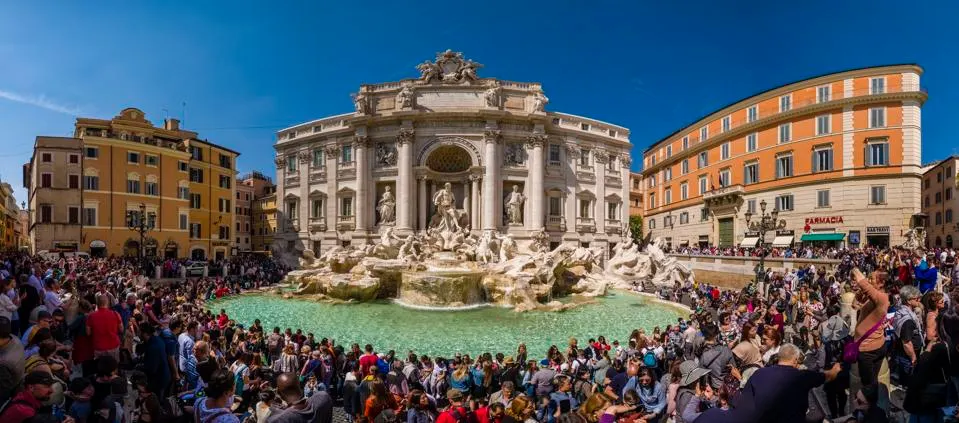
Other countries are also adjusting their policies. Greece introduced a “Climate Resilience Fee” in 2024, a per-night charge varying by accommodation type and season (e.g., €10 per night for a five-star hotel in peak season). Spain, particularly Barcelona, has raised tourist taxes (up to €4-€5 per night plus cruise fees) and plans to eliminate tourist apartments by 2028; the Balearic Islands can double their Sustainable Tourism Tax in summer. Japan employs a flat ¥1,000 (~$7) “Sayonara Tax” on all departing international travelers, with funds reinvested into enhancing the visitor experience.
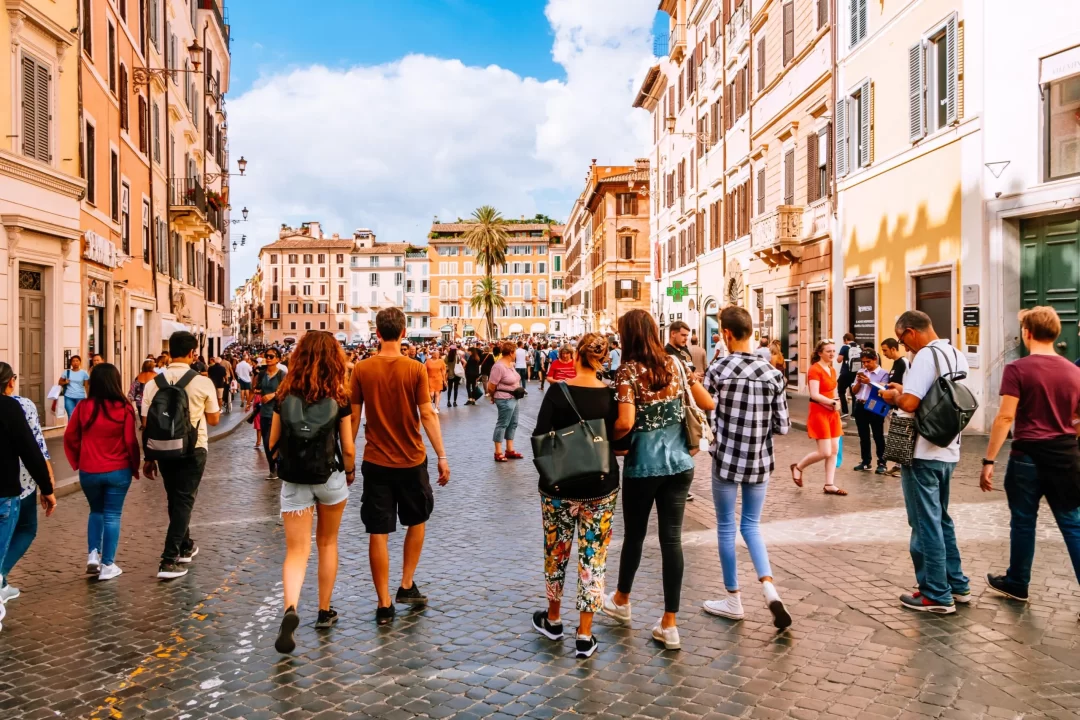
Thailand has a 300 baht (~$9) entry fee for air travelers and is experimenting with stricter rules in sensitive areas like Maya Bay. Indonesia’s Bali now requires a separately paid $10 tourist levy, with enforcement at entry points. The Netherlands, especially Amsterdam, combines a high hotel tax (12.5%) and cruise passenger fees (€11/day) with a “Stay Away” campaign targeting disruptive tourism.
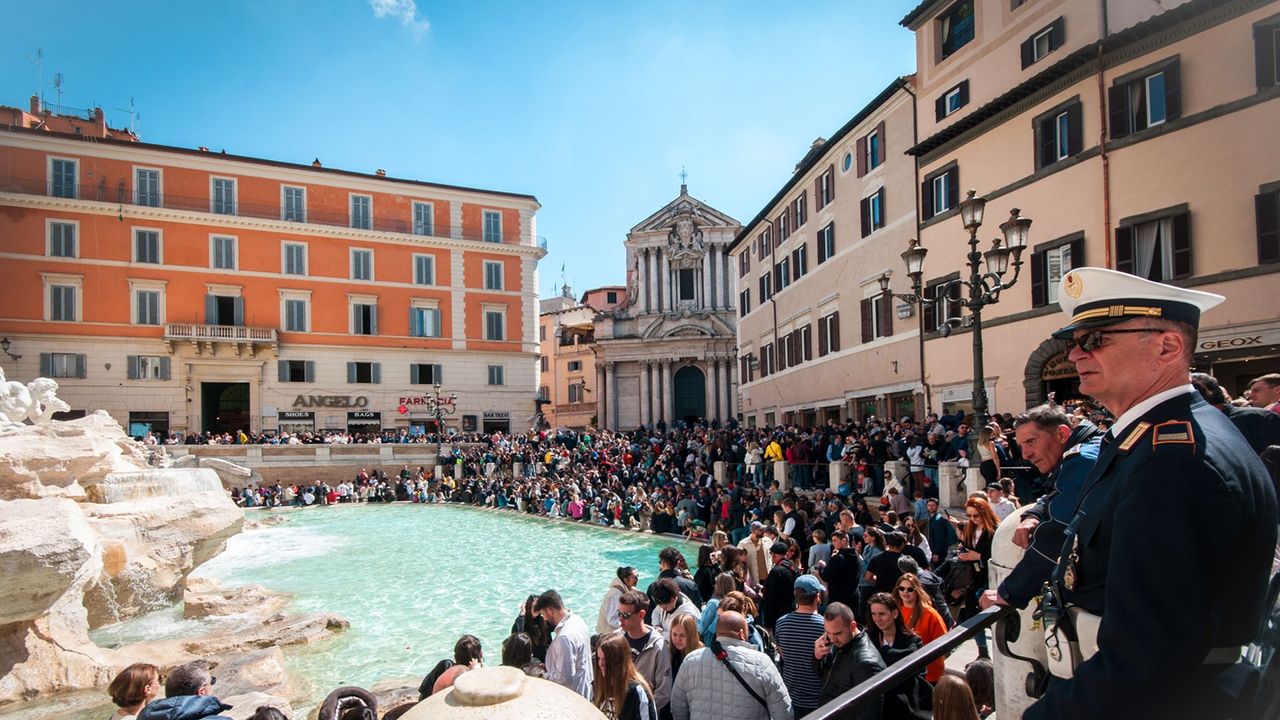
This global trend signals an end to the era of unlimited, unfiltered access to popular destinations. Travelers are now urged to be more mindful, checking local tax rates, registration requirements, and optimal travel times to avoid unexpected costs and contribute responsibly to the places they visit.