
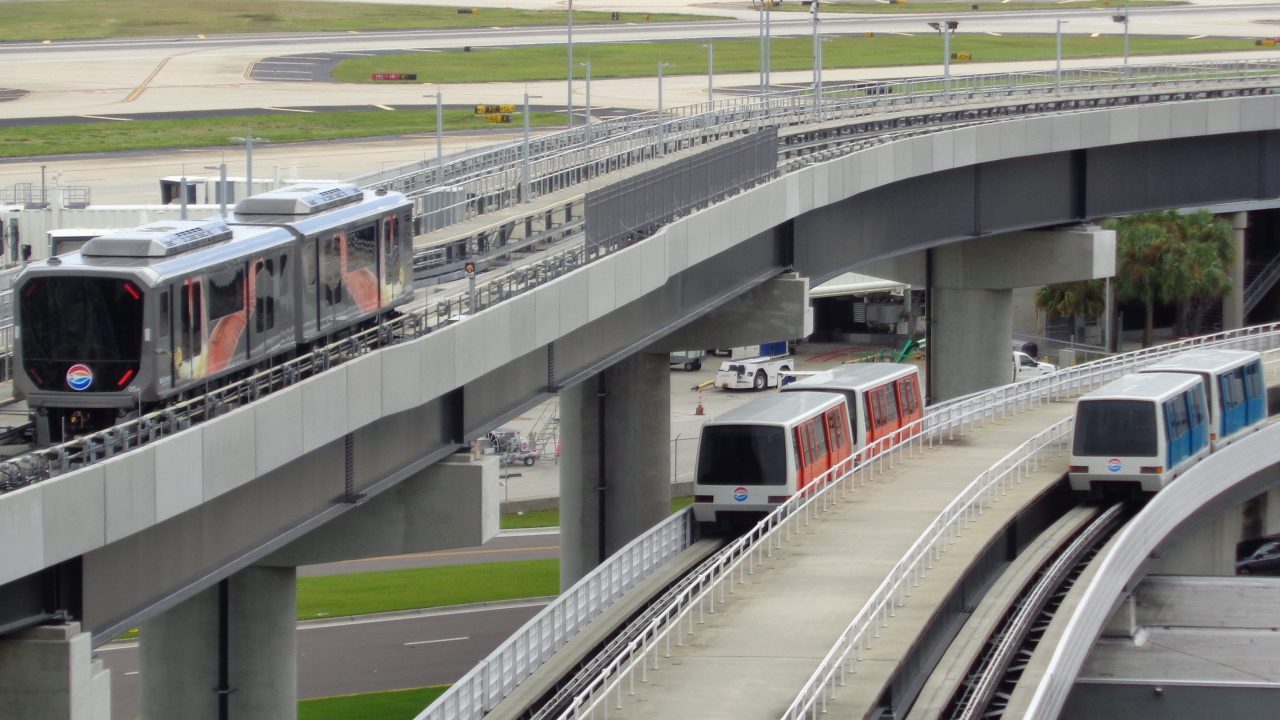
- DFW Airport Shutdown: A massive thunderstorm system forced a complete ground stop at Dallas Fort Worth International Airport (DFW) on Wednesday, May 29, 2025, halting all flights at one of the world’s busiest hubs.
- Widespread Travel Disruption: The shutdown has stranded tens of thousands of passengers, caused major airlines (American, Delta, United, Southwest, etc.) to ground fleets at DFW, and triggered cascading delays and cancellations across the U.S. and internationally.
- Significant Economic Impact: The operational halt is leading to substantial financial losses for airlines, overwhelming local hotels and ground transportation with surge demand and pricing, and threatening short-term losses for the Texas tourism sector.
- Severe Weather and FAA Action: The ground stop was mandated by the FAA due to dangerous weather conditions (thunderstorms, hail, high winds), with potential for extended restrictions, highlighting the growing impact of extreme weather on air travel.
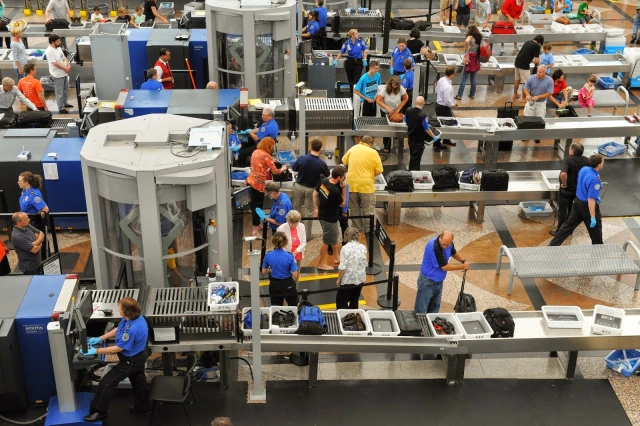
A massive thunderstorm system forced Dallas Fort Worth International Airport (DFW), one of the world’s busiest air transit hubs, into an unprecedented operational standstill early Wednesday, May 29, 2025. The Federal Aviation Administration (FAA) imposed a rare and sweeping ground stop, halting all takeoffs and landings during peak travel hours. This sudden disruption, occurring just after the busy Memorial Day weekend, has stranded tens of thousands of travelers and is causing a significant ripple effect across domestic and international air travel.

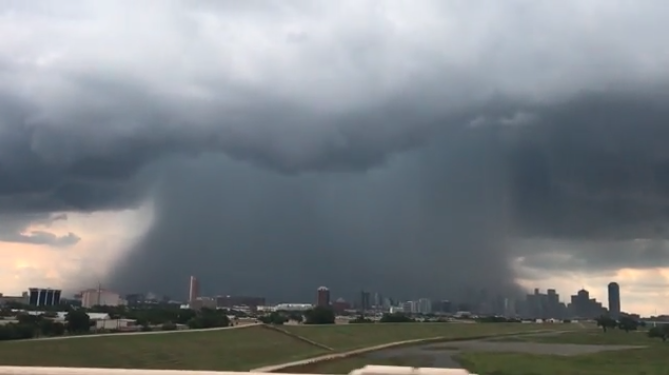
The severe weather, characterized by hail, heavy rainfall, and high-speed winds, made flight operations too dangerous to continue. By 8:00 a.m. local time, DFW, a critical hub for American Airlines and numerous global carriers, had completely suspended all flight activity. The FAA advisory indicated the ground stop could persist into the early afternoon or longer, depending on the storm’s movement. Major airlines, including American, Delta, United, Southwest, Alaska, JetBlue, and Spirit, were forced to ground their fleets at DFW, leading to widespread flight cancellations and rebooking efforts amidst terminal confusion and passenger frustration.
The impact extends far beyond Dallas. Flight-tracking systems show cascading delays at major U.S. airports like Chicago O’Hare, Los Angeles International, and Hartsfield-Jackson Atlanta, as DFW serves as a vital connection point. International carriers are also rerouting or holding flights bound for North Texas. Economically, the shutdown is inflicting substantial losses. Airlines face lost revenue for every grounded aircraft, plus costs for accommodations and compensation. Hotels near DFW are experiencing a surge in emergency bookings and price hikes, while ride-share and taxi services report excessive demand with surge pricing. The Texas tourism industry is bracing for short-term losses as travel plans are disrupted.

Airlines are offering fee waivers and flexible rescheduling options for affected travelers. Airport authorities and the FAA are working to manage the situation and keep passengers informed, though the volume of inquiries is overwhelming support systems. Travelers are strongly advised to continuously check their flight status, avoid heading to the airport unless flights are confirmed, proactively book accommodations, and consider alternative airports if feasible. Meteorologists note that increasingly erratic weather patterns, like this intense storm fueled by high atmospheric instability, pose a growing threat to travel stability, suggesting such disruptions may become more common.