
- Federal judge pauses construction on Perfect Day Mexico resort due to environmental challenges
- Margaritaville at Sea increases daily gratuity rates for staterooms and suites
- Carnival Cruise Line makes its non-alcoholic beverage package available on all 2026 voyages
- Royal Caribbean project faces scrutiny over sustainability and land-use permits
Royal Caribbean’s ambitious project to develop Perfect Day Mexico in Costa Maya has encountered a significant legal obstacle. A federal judge in Mexico recently issued an injunction that temporarily halts construction on the 200-acre resort. This decision follows challenges from local environmental groups regarding the validity of the project’s land-use approvals and permits. While Royal Caribbean and local Quintana Roo officials maintain that the development is legal and designed with sustainability and community benefit in mind, the court must now review the case before work can proceed.
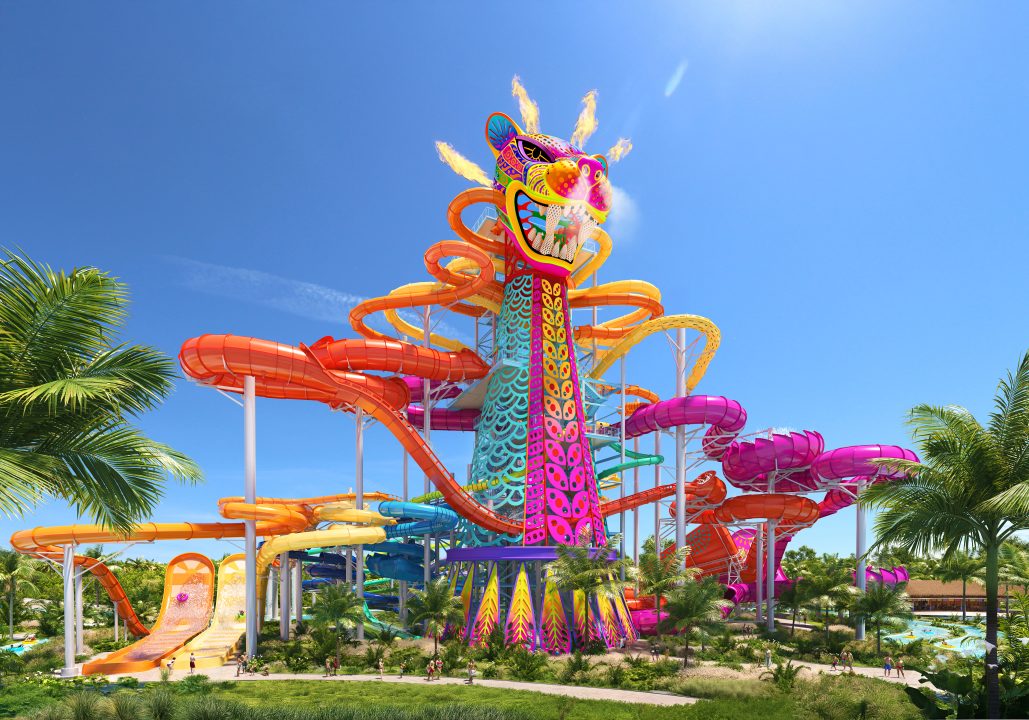
If completed, Perfect Day Mexico is intended to be a major destination featuring a waterpark with 30 slides, the world’s longest lazy river, and several private beaches. The current timeline for an autumn 2027 opening may be impacted depending on the duration of this legal review. Beyond this specific project, the cruise industry is seeing several other notable shifts. Margaritaville at Sea has increased its daily gratuity rates to 22 dollars for standard staterooms and 25 dollars for suites, placing their service charges among the highest in the cruise sector. These funds are designated to support crew compensation.
Additionally, Carnival Cruise Line has announced the fleetwide expansion of its Cheers Zero Proof beverage package for all 2026 sailings. This program offers unlimited non-alcoholic beverages, including specialty coffees and zero-proof cocktails, responding to a growing demand for inclusive alcohol-free options. Meanwhile, the financial sector saw a dip in performance for major cruise stocks, including Carnival Corporation and Royal Caribbean, during the most recent trading sessions. These developments highlight a period of transition for the industry as it balances massive infrastructure investments with environmental regulations, evolving passenger preferences, and fluctuating economic conditions.