
- Royal Caribbean’s restriction on smart glasses in privacy-sensitive areas like restrooms, casinos, and spas.
- The confiscation penalty for passengers found violating the new wearable technology policy.
- The broader privacy concerns regarding modern smart glasses and their discreet recording capabilities.
- The variety of other common and unique items banned by cruise lines for safety, brand, or legal reasons.
Royal Caribbean has officially updated its prohibited items policy to restrict the use of smart glasses in various locations across its cruise ships. This administrative decision follows a similar, comprehensive fleetwide ban instituted by MSC Cruises earlier in the year. The policy shifts reflect a growing awareness within the maritime travel industry regarding the privacy implications of advanced wearable technology.
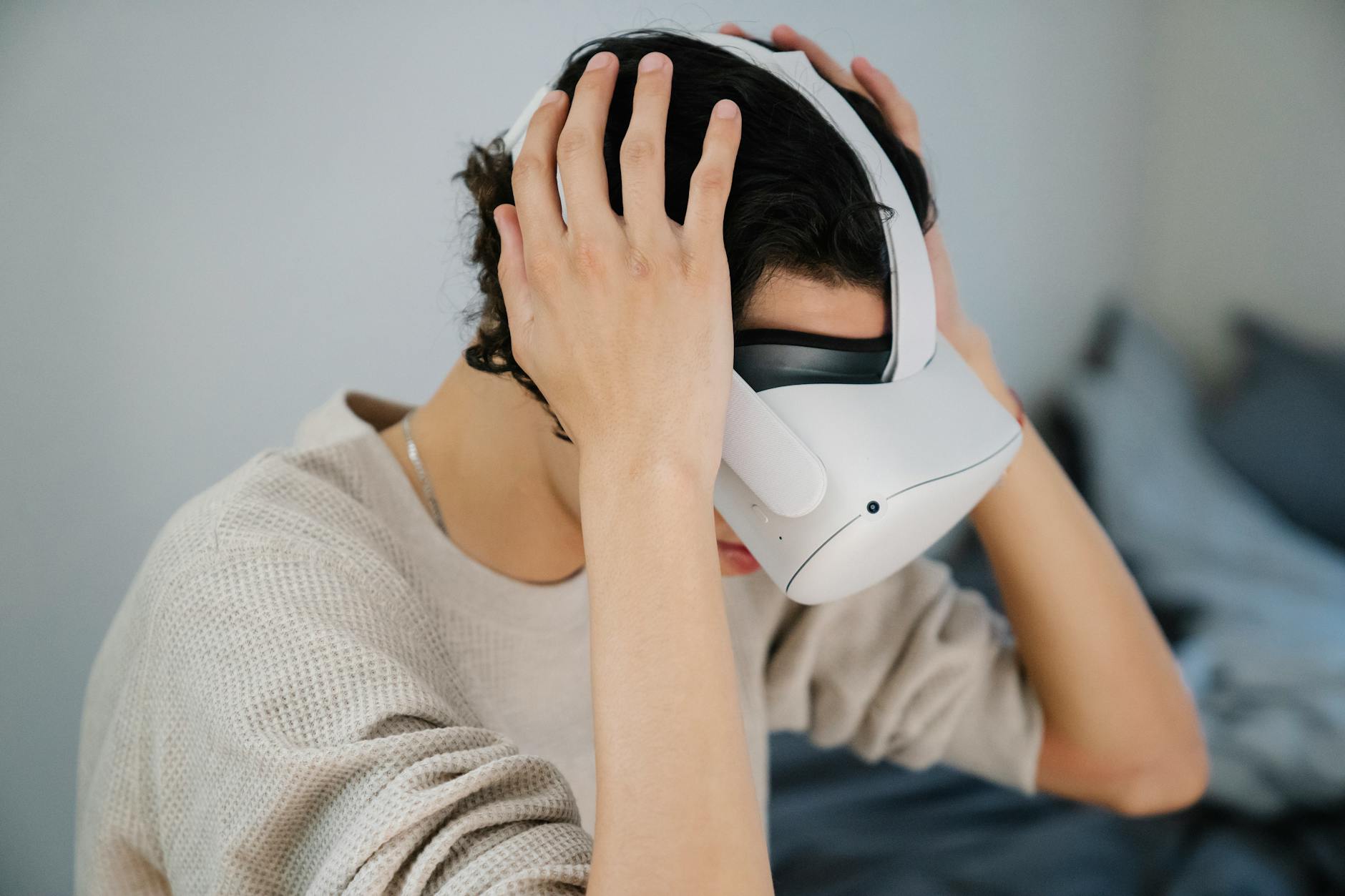
Under the newly outlined guidelines, passengers are strictly prohibited from wearing smart glasses in any environment where guests and crew members have a reasonable expectation of privacy. The cruise line has specified that these restricted zones include the casino, spa service areas, restrooms, locker rooms, medical facilities, security screening locations, youth facilities, crew areas, and any back-of-house tours. The core issue driving these restrictions is the discreet nature of modern smart glasses. As these devices become increasingly integrated with artificial intelligence and high-definition video recording capabilities, they easily blend in with standard eyewear. This inconspicuous design raises significant concerns that individuals could be recorded without their explicit consent or knowledge. Royal Caribbean has formally warned that any passenger observed violating this specific policy will be subject to having their smart glasses confiscated by ship security personnel.
In addition to regulating wearable technology, all major cruise lines maintain comprehensive lists of prohibited items designed to uphold maritime safety and passenger comfort. Standard banned items across the industry universally include illegal drugs, firearms, ammunition, explosives, and various types of weapons. Furthermore, cruise operators consistently prohibit items that introduce potential fire hazards or general safety risks, such as electrical extension cords, multi-plug outlets, hoverboards, drones, and laser pointers.
Several cruise lines also enforce specialized restrictions that align with their distinct brand values or international compliance standards. For instance, Carnival Cruise Line has reportedly restricted certain door decorations to preserve a family-oriented atmosphere onboard. Other lines, such as Norwegian, prohibit items like handcuffs and similar restraining devices. Royal Caribbean also includes baby monitors on its restricted list. Additionally, a widespread but less commonly known rule across many cruise operators is the ban on wearing camouflage clothing. This is primarily because it is strictly illegal for civilians to wear military-style camouflage in several Caribbean nations where the ships frequently dock.
To ensure a seamless boarding process, travelers are encouraged to consult their specific cruise line’s official packing guidelines prior to departure.

Check the list of prohibited items before you pack
Passengers on any major cruise line are advised to check the list of prohibited items and other travel reminders from their cruise ship.
- Princess Cruises Princess Prohibited Items
- Holland America Holland America Prohibited Items
- Norwegian Cruise Line NCL What to Pack
- Royal Caribbean Royal Caribbean Banned Items
- Disney Cruise Line Disney Prohibited Items FAQ
- Cunard Line Cunard Prohibited Items
- Viking Cruises Viking Safety & Security