
4 Important Topics to Know
- Major shipping lines Maersk and Hapag-Lloyd suspended transit through the Red Sea and Strait of Hormuz, rerouting vessels around the Cape of Good Hope.
- The Islamic Revolutionary Guard Corps issued warnings effectively blocking a route that handles 20 percent of global liquefied natural gas and massive daily oil shipments.
- Hapag-Lloyd introduced a substantial War Risk Surcharge for Gulf shipments, while major marine insurance companies canceled war risk coverage for the area entirely.
- Commercial crews are using Automatic Identification System destination fields to broadcast neutrality messages and reduce the risk of being targeted by regional forces.
Following the death of Iran’s Supreme Leader Ali Khamenei on February 28, 2026, major shipping companies Hapag-Lloyd and Maersk suspended all transits through the Strait of Hormuz and the Red Sea. The Islamic Revolutionary Guard Corps warned commercial vessels against passing through the Strait of Hormuz, a critical maritime route responsible for transporting approximately 20 million barrels of oil daily and nearly 20 percent of global liquefied natural gas exports. Reports indicate that at least three tankers were attacked in the region, resulting in one seafarer fatality.
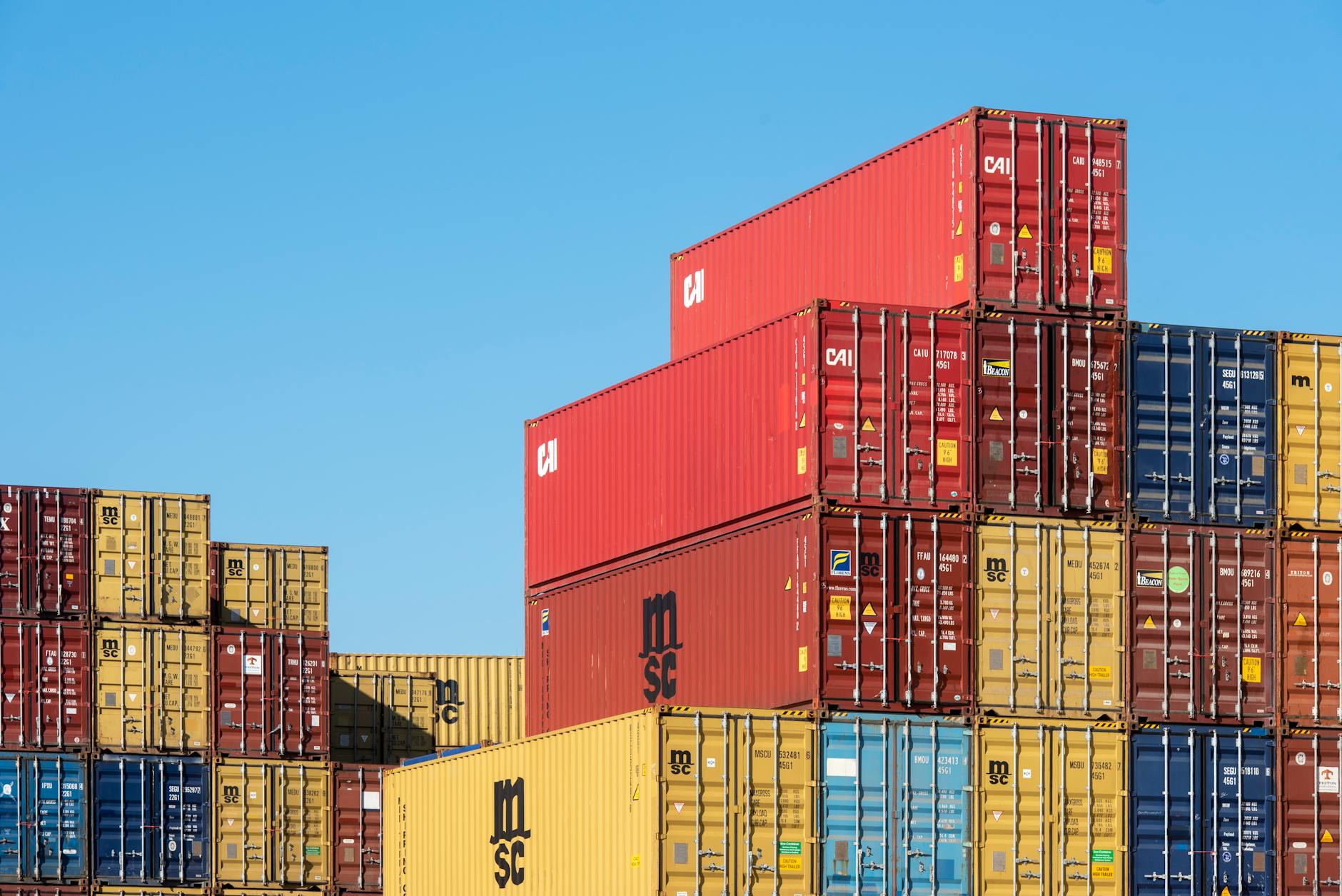
To prioritize the safety of their crews and cargo, Maersk and Hapag-Lloyd are rerouting their Middle East and Indian services around the Cape of Good Hope, pausing Trans-Suez and Bab el-Mandeb sailings. These operational shifts are expected to cause significant scheduling delays and logistical disruptions. Additionally, Hapag-Lloyd implemented a War Risk Surcharge effective March 2, 2026, adding $1,500 per standard TEU and $3,500 for refrigerated or special equipment containers to and from the Gulf regions.
Maritime intelligence data shows a notable reduction in commercial traffic in the area, particularly among Western-affiliated vessels, which are disproportionately reversing course. To mitigate targeting risks, some vessel crews are utilizing Automatic Identification System broadcasts to signal neutrality, displaying messages that disavow United States or Israeli affiliations.
Compounding the logistical challenges, major marine insurance providers, including Gard, Skuld, and the American Club, canceled war risk coverage for ships operating in the region, effective March 5. While commercial vessels technically remain free to navigate international waters, the United States Navy stated it cannot guarantee the safety of neutral shipping within the affected zones. The situation remains fluid as global supply chains adjust to the ongoing security threats.