
- The Ministry of Forestry has enforced a total ban on elephant rides across all of Indonesia.
- Mason Elephant Park and Lodge in Bali was the final facility to comply with the new national directive.
- Indonesia is the first country in Asia to achieve a nationwide prohibition of this specific tourism practice.
- International pressure is now mounting for neighboring countries and travel agencies to end support for elephant rides
Indonesia has officially implemented a nationwide ban on elephant rides, a move directed by the Ministry of Forestry. The legislative change follows a directive issued last month, which was catalyzed by investigative findings regarding animal welfare. This week, the Mason Elephant Park and Lodge in Bali became the final facility in the country to cease these operations, marking the complete termination of the practice across all Indonesian provinces.
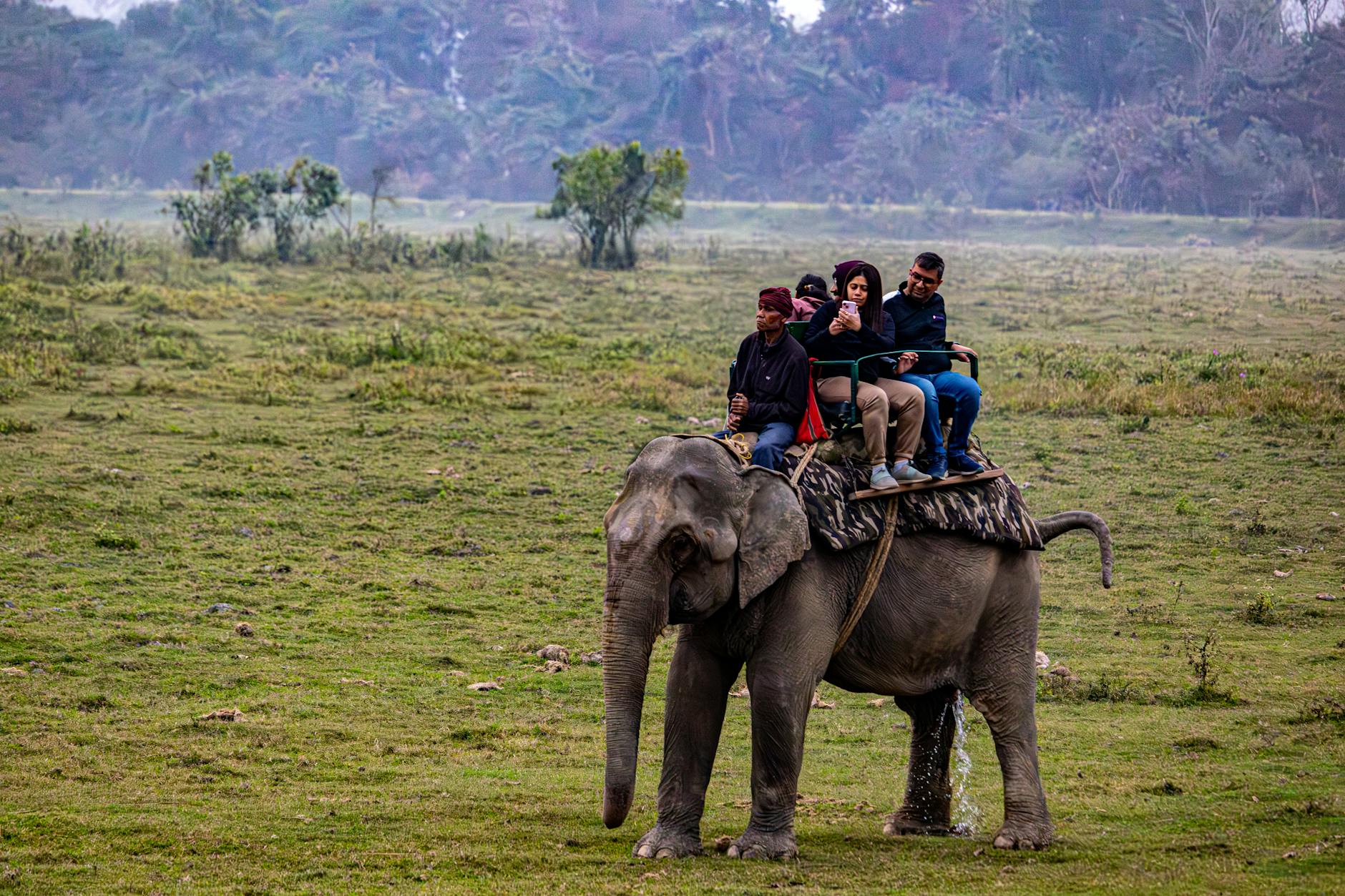
The decision has been recognized by animal advocacy organizations as a significant advancement for wildlife protection in the region. By enforcing this ban, Indonesia has become the first nation in Asia to prohibit elephant rides on a national scale. Advocates note that while this represents a major milestone, it is part of a broader, ongoing effort to improve the general welfare of captive elephants and transition the tourism industry toward more ethical interactions with wildlife.
Following Indonesia’s lead, international advocacy groups are now increasing pressure on other Asian nations, specifically Nepal, Thailand, and India, to adopt similar legislative measures. There is also a global call for travel agencies and tour operators to remove packages involving elephant rides from their inventories. The shift in Indonesia reflects a growing trend in the global travel industry toward sustainable and ethical tourism, prioritizing the biological and psychological needs of animals over traditional entertainment activities. This policy change positions Indonesia as a regional leader in animal rights and sets a new precedent for the management of captive elephants in the tourism sector.