
- The decade-long financial support from the Lindblad Expeditions-National Geographic Fund fueled by traveler donations.
- The historic release of 158 giant tortoises on Floreana Island after a century of local extinction.
- The role of giant tortoises as crucial ecosystem engineers that spread native seeds and create habitats for other wildlife.
- The collaborative nature of the Floreana Ecological Restoration Project involving government agencies, scientists, and the local community
The reintroduction of 158 giant tortoises to Floreana Island in the Galápagos, marks a significant milestone for the Floreana Ecological Restoration Project. This event occurs more than a century after the local extinction of the species on the island. The release of the tortoises is viewed as a powerful indicator of ecosystem recovery and is a key component of a long-term conservation effort.
For over ten years, the Lindblad Expeditions-National Geographic Fund has supported this restoration project, largely through donations from travelers. This fund represents the largest and longest-running travel brand associated with the initiative, demonstrating a sustained commitment to the environmental stewardship of the Galápagos Islands. Ian Miller, chief science officer for the National Geographic Society, emphasized that the successful release of the tortoises highlights the coordinated efforts of scientists, local community members, government agencies, and conservation organizations. He noted that the tortoises act as essential ecosystem engineers, which will further support the restoration of the environment.
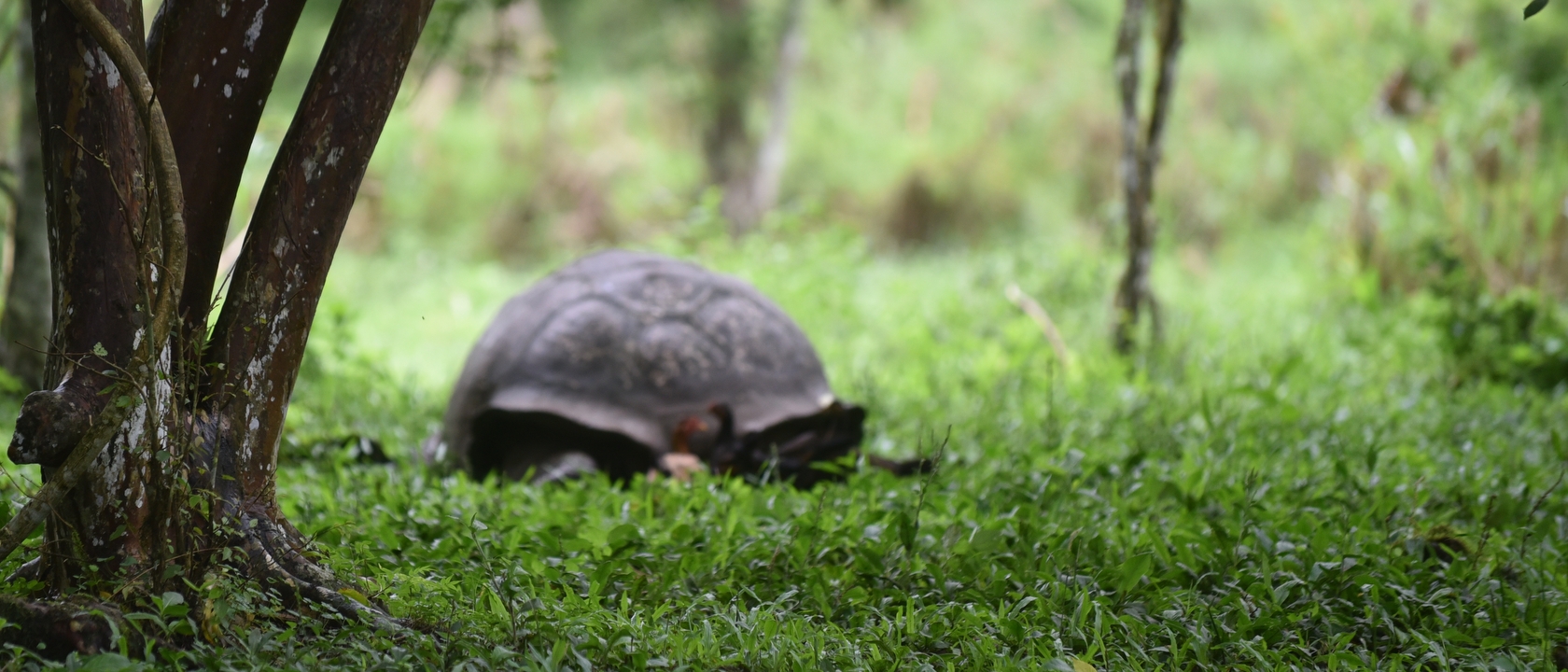
Giant tortoises are critical to maintaining the ecological balance of the island. As they move and burrow, they spread the seeds of native plants and create habitats that benefit other wildlife. Extensive work has been done over the years to eradicate invasive species and prepare the island for this reintroduction. Experts view the recent tortoise release as a promising sign that Floreana Island will eventually support a healthy population of the endemic species that originally inhabited the area.
This reintroduction is part of a comprehensive, science-driven plan scheduled to continue through 2030. Each phase of species introduction is carefully managed, relying on rigorous habitat studies and active community participation. Amy Berquist, vice president of conservation, education, and sustainability at Lindblad Expeditions, stated that this achievement is a testament to the positive impact of expedition travel. She highlighted that when travel is grounded in respect and education, it can directly contribute to protecting natural wonders.
The broader Floreana Ecological Restoration Project was launched more than a decade ago with a holistic, community-centered approach. It is led by the Galápagos National Park Directorate and the Galápagos Biosecurity and Quarantine Agency, and co-executed with organizations such as Fundación Jocotoco, the Charles Darwin Foundation, and Island Conservation. Since 2015, the Lindblad Expeditions-National Geographic Fund has contributed over one million dollars to sustain this vital conservation work.