
- Increased security concerns: Travelers should be aware of terrorism, crime, civil unrest, and environmental hazards.
- New entry requirements: Countries like the UK now mandate electronic travel authorizations for U.S. citizens.
- Country-specific risks: Each advised country presents unique threats, from crime in Turks and Caicos to environmental dangers in Antarctica.
- Vigilance and preparedness: It is crucial for travelers to monitor local media, enroll in programs like STEP, and have contingency plans.
The United States has issued a revised travel advisory, adding the United Kingdom to a list of countries including Turks and Caicos, Denmark, Antarctica, Brazil, and France. This update advises travelers to exercise increased caution due to a spectrum of rising security concerns. These concerns encompass potential threats such as terrorism, various forms of crime, civil unrest, and in some regions, significant environmental hazards. The U.S. State Department’s updated guidance stresses the importance of vigilance, staying current with local developments, and adhering to new entry requirements as global travel faces evolving safety challenges.
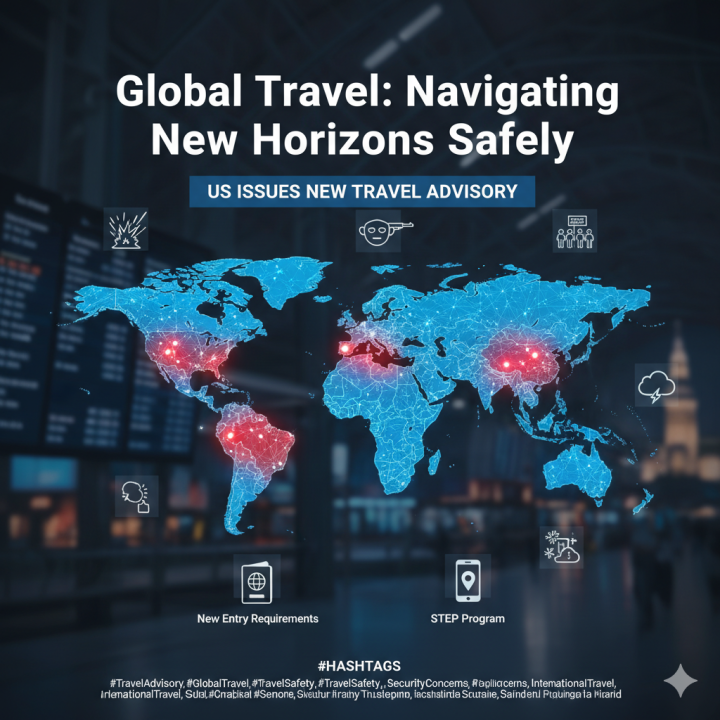
For example, the United Kingdom is now under an advisory due to ongoing terrorist activity and has new entry requirements, including a mandatory Electronic Travel Authorization (ETA) for U.S. citizens. Turks and Caicos faces heightened scrutiny due to an increase in criminal activity, particularly in Providenciales, with strict warnings against illegal firearm possession. Denmark has been flagged for increased terrorism risk, prompting advisories for caution in public venues. Antarctica’s advisory centers on extreme environmental hazards and limited emergency services, requiring visitors to be self-sufficient. Brazil is noted for high levels of crime and kidnapping risks, especially in urban areas and favelas. Finally, France continues to contend with terrorism threats and the potential for civil unrest. The overall message emphasizes preparedness, awareness of specific country risks, and the utilization of resources like the Smart Traveler Enrollment Program (STEP).