
- Two Distinct Seasons: Florida’s spiny lobster season includes a fast-paced mini season in late July and a longer, more relaxed regular season from August to March.
- Accessible Harvesting: Unlike other lobster fisheries, this one requires only basic gear like a mask, fins, tickle stick, and net for an underwater hunt.
- Strict Regulations: Participants must adhere to specific rules regarding licenses, lobster size, protection of egg-bearing females, and approved harvesting methods.
- Safety and Best Practices: Key tips include scouting locations, displaying a diver-down flag, diving with a buddy, and immediately measuring lobsters.
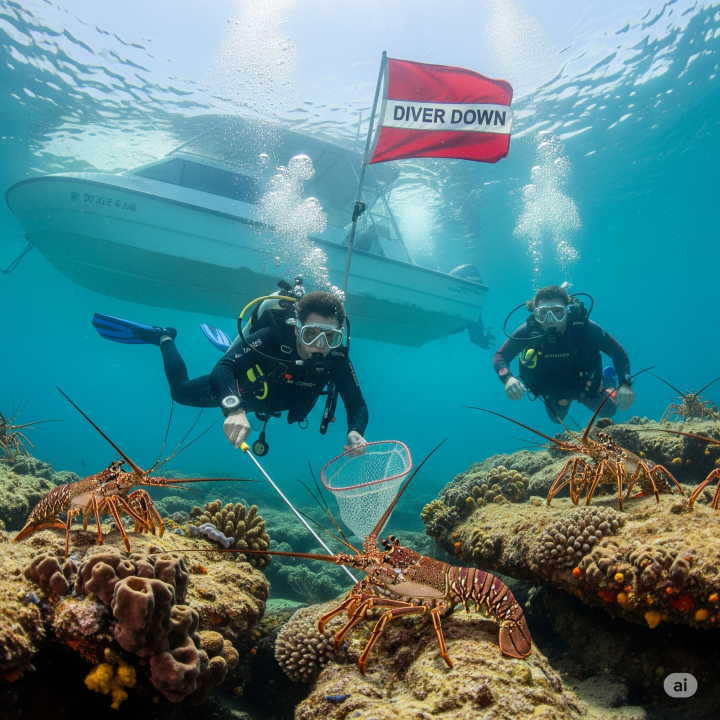
Get ready for an exciting annual tradition as Florida’s coastal waters come alive for the spiny lobster season. This unique event draws thousands of enthusiasts eager to participate in an underwater treasure hunt. Unlike their clawed New England cousins, Florida’s spiny lobsters are warm-water crustaceans found hiding in rocky reefs and coral formations, primarily in the Keys and Southeast Florida. The best part is its accessibility. You do not need expensive traps or specialized gear. All you really need is a mask, fins, gloves, a tickle stick, and a net, making it an engaging and active pursuit for snorkelers and scuba divers alike.
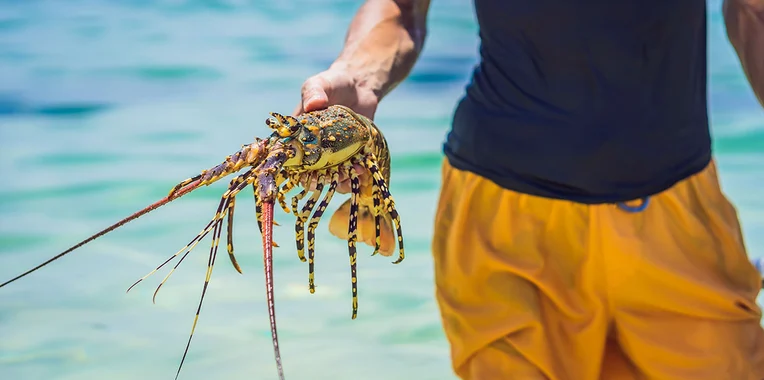
The spiny lobster season is thoughtfully divided into two main periods. The much-anticipated “mini season” or sport season, which is exclusively for recreational harvesters, takes place annually on the last Wednesday and Thursday of July. This two-day opener is known for its fast pace and lively atmosphere. Following this, the “regular season” kicks off on August 6 and runs through March 31, offering a more relaxed pace for harvesting. Strict regulations are in place to protect the lobster population and the marine ecosystem. Participants must have a Florida Saltwater Fishing License and Lobster Permit. Size limits are crucial, with lobsters needing a carapace length greater than 3 inches, and it is strictly forbidden to harvest egg-bearing females. Only non-injurious methods like tickle sticks, bully nets, or hand capture are allowed. Additionally, specific time and location restrictions apply, especially during the mini season, to ensure sustainable practices.
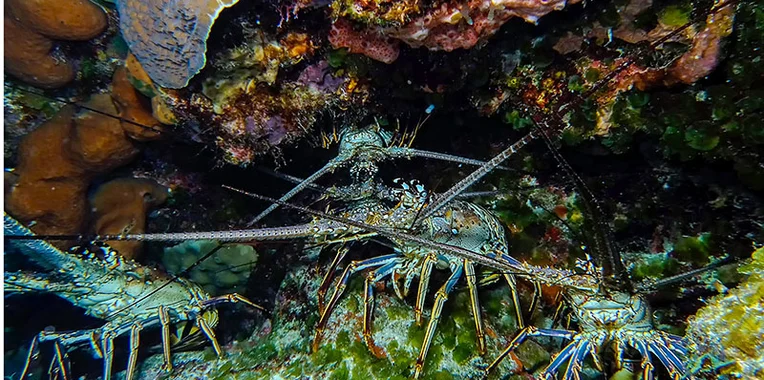
To have a successful trip, focus on shallow reefs and rocky outcroppings, typically between 5 and 25 feet deep. Scouting locations in early July can give you an advantage, and always check water clarity and tide conditions before heading out. Safety is paramount: always display a diver-down flag, dive with a buddy, and measure your catch immediately to comply with regulations. You do not need a massive boat to join in the fun. Center consoles, flats boats, skiffs, or even comfortable pontoon boats can be perfect for navigating these waters, depending on your preferred diving spots. Remember to bring essential safety gear, a GPS for marking prime locations, and plenty of cooler space to keep your delicious catch fresh.
LEARN MORE AT BoatMart