
- Oku Japan is offering five new winter itineraries centered around the prime onsen (hot spring) season and culturally immersive walking tours.
- Featured tours include the guided Winter Nakasendō Trail through snowy post towns and the meditative, self-guided Winter Kumano Kodō pilgrimage trail.
- The itineraries showcase diverse regions, including the Japan Alps, the Japan Sea Coast (for culinary experiences), and the northern frontier of Hokkaidō.
- The tours emphasize hearty regional dishes (like buri and nabe) and traditional hospitality in country inns and minshuku guesthouses.
Oku Japan, a tour operator specializing in culturally immersive walking tours, has unveiled five distinct winter itineraries designed to showcase Japan’s serene beauty and traditional customs. The cooler months are highlighted as the prime onsen (hot spring) season, offering travelers the chance to soak in healing thermal waters after a day of exploration.
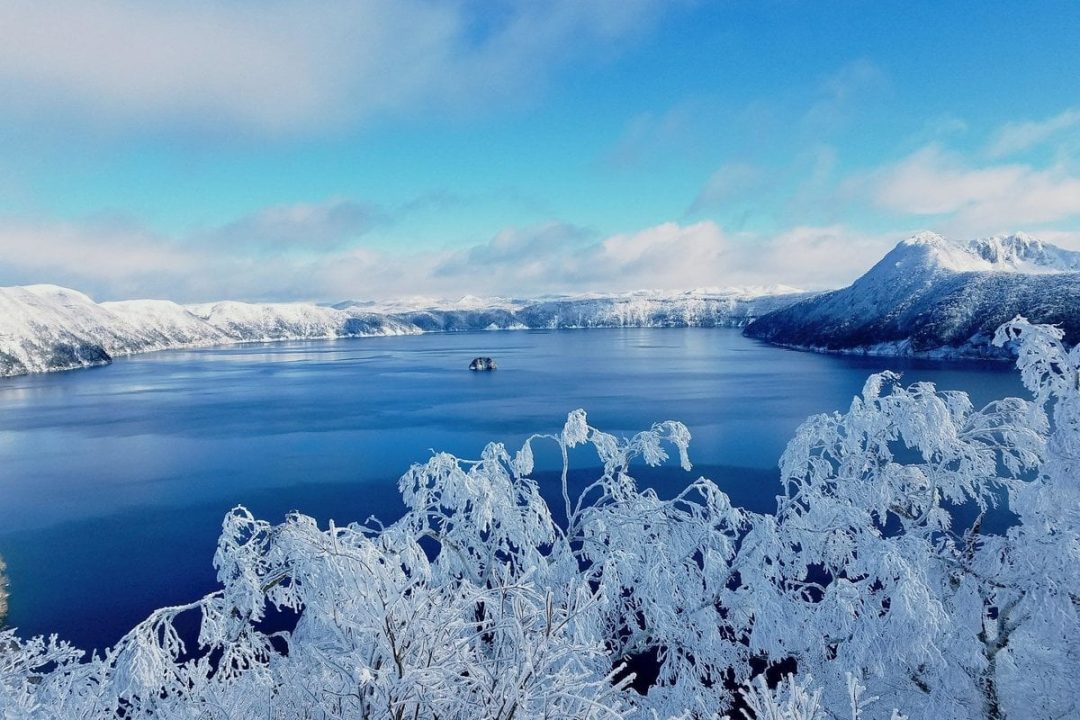
The offered trips capture Japan’s seasonal connection, pairing snow-dusted scenery with warm hospitality and hearty regional cuisine. The tours include the Winter Nakasendō Trail (guided, 8 days), where guests follow samurai paths through Edo-period post towns, often utilizing snowshoes. For a quieter, meditative experience, the self-guided Winter Kumano Kodō pilgrimage trail (6 days) allows travelers to explore sacred forests and stay in traditional guesthouses.
Further options include the self-guided Japan Alps Winter journey (6 days), focusing on the scenic beauty and hot springs of the Nagano and Gifu prefectures. The culinary-focused Japan’s Culinary Heritage tour (guided, 9 days) delves into seasonal dishes like nabe hotpots and mochitsuki (rice cake pounding) along the Japan Sea coast. Finally, the self-guided Hokkaidō Winter trip (7 days) explores the wild northern frontier, leading travelers from volcanic lakes to the icy Shiretoko Peninsula to encounter wildlife and enjoy coastal onsen. Oku Japan emphasizes that these journeys invite travelers to experience Japan’s authentic, slower rhythms.