
- The path of totality includes Greenland, Iceland, and Spain, with Spain offering the most accessible land-based viewing locations.
- Certified protective eyewear from reputable suppliers is required to view the sun safely until the brief moment of totality.
- Reaching the path of totality is essential because even a high percentage of partial coverage does not produce the full effect of the corona.
- Weather conditions and the low altitude of the sun in the sky are major variables that could affect visibility during the event.
The upcoming total solar eclipse on August 12, 2026, presents a significant opportunity for astronomical observation across parts of the Northern Hemisphere. The path of totality is expected to cross through eastern Greenland, western Iceland, and a broad section of northern Spain. This event follows the widely viewed 2024 eclipse and is anticipated to be a major draw for international travelers, fitting into the growing trend of bucket list tourism.
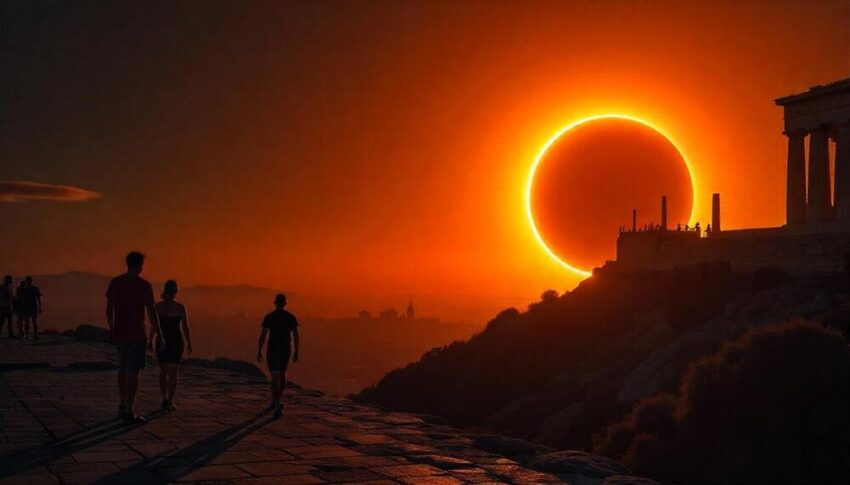
Greenland offers a unique viewing environment, though the lack of inland infrastructure makes cruise ships the most practical option for most observers. Iceland, including the capital city of Reykjavík, will experience totality for the first time in centuries. While the coastal scenery of the Westfjords and Reykjanes peninsula is attractive, experts note that Iceland is prone to cloud cover, requiring viewers to remain mobile and adaptable. Spain is considered a highly accessible and cost-effective destination, with cities like León and Zaragoza situated within the path. However, because the eclipse will occur late in the day when the sun is low on the horizon, viewers must ensure their line of sight is not obstructed by buildings or terrain.
Safety remains a primary concern for all participants. Experts emphasize the necessity of using certified solar eclipse glasses from reputable suppliers to prevent eye damage. Furthermore, the distinction between partial and total coverage is critical; even 99 percent coverage does not allow for the viewing of the solar corona and lacks the dramatic darkness associated with totality. With high demand expected for accommodations and tours, early booking is recommended for those planning to travel to these regions. For those who miss this event, a subsequent eclipse is scheduled for August 2, 2027, which will offer an even longer duration of totality across parts of Africa and the Middle East.