
- The substantial statistical rise in consumer interest regarding astro cruises
- Utilization of the Bortle scale to scientifically rank European destinations
- Scotland’s dominance as the leading region for low light pollution
- Alternative options for warm-weather stargazing in Spain and Croatia
Recent analysis by the global travel booking platform Omio highlights a significant shift in modern travel preferences, specifically the rapid emergence of “astro cruises” and stargazing tourism. Data indicates a substantial 1006% increase in Google searches for these terms over the past year, suggesting that travelers are increasingly prioritizing destinations that offer pristine views of the cosmos and phenomena like the Northern Lights. To guide these enthusiasts, the study evaluated European locations using scientific metrics such as brightness value and the Bortle scale, which rates night sky darkness from Class 1 to Class 9 based on light pollution levels.
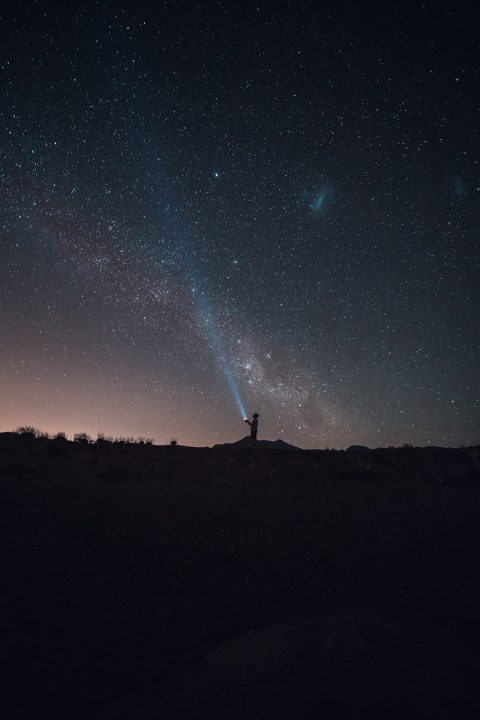
Scotland distinguishes itself as the premier destination in Europe for this activity, securing the top spots due to its exceptionally dark skies. Both the Outer Hebrides and the Isle of Rum achieved a Class 1 rating on the Bortle scale, indicating excellent natural darkness. These locations are noted not only for their astronomical potential but also for their alignment with the growing “adventure tourism” sector, which has seen a 75% year-over-year rise in interest. The Isle of Coll also ranks highly with a Class 2 rating, offering a mix of sandy coastlines and clear visibility.
For those preferring warmer climates, the report recommends the Canary Islands and Croatia. Garafia on the island of La Palma benefits from its status as a UNESCO Biosphere Reserve, ensuring ecological protection that maintains sky quality. Similarly, Lastovo Island in Croatia offers a remote setting accessible via ferry from Split, allowing visitors to combine traditional summer leisure activities with high-quality nocturnal observations. These findings illustrate a broader trend where natural environments are becoming central to travel planning.