

- Overtourism Crisis in Southern Europe: Popular destinations in Spain, Greece, France, Italy, and Portugal are experiencing unprecedented tourism surges in 2025, leading to strained local resources, rising living costs, and widespread community protests.
- Majorca as a Key Example: The island of Majorca, Spain, faces an extreme tourist-to-local ratio (over 50:1 in overnight stays), prompting significant resident backlash and robust governmental responses, including a drastically increased Sustainable Tourism Tax (£5/night).
- Implementation of Stricter Regulations and Taxes: Affected countries are introducing and increasing various tourist taxes (e.g., Greece’s Climate Resilience Fee, Barcelona’s city tax), alongside new rules like extensive personal data collection for tourists (e.g., in Majorca for UK visitors) and restrictions on short-term rentals.
- Shift Towards Sustainable and Managed Tourism: There’s a clear move towards managing tourism more sustainably, balancing economic benefits with the well-being of local communities and environmental protection, requiring travelers to be more aware and responsible.
A wave of “overtourism” is sweeping through popular Southern European destinations like Spain, Greece, France, Italy, and Portugal in 2025, leading to strained local resources, soaring living costs for residents, and significant community resistance. In response, these nations are implementing transformative reforms, including increased tourist taxes and stricter regulations, to manage visitor numbers sustainably and protect local quality of life.

Majorca, Spain, starkly illustrates this crisis. The Balearic island saw over 51 million tourist overnight stays in 2023, dwarfing its resident population of under one million by more than fifty times. This influx, often involving longer stays than typical city breaks, has put immense pressure on infrastructure, housing, and the environment. Consequently, local protests have become frequent, with residents decrying unaffordable living costs and the erosion of community life.
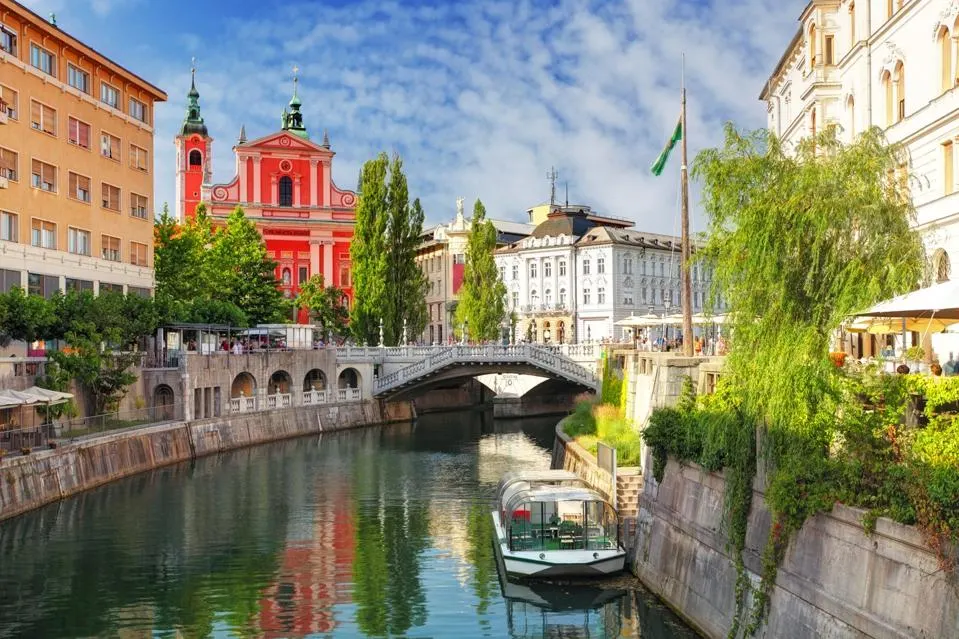
To address this, Majorcan authorities have significantly increased the “Sustainable Tourism Tax,” now an additional £5 per night per person, a 200% rise in recent years. Furthermore, British tourists, a key demographic, now face comprehensive personal data collection requirements for national security purposes when making reservations, including details about gender identity, address, and payment information.

Spain’s approach extends beyond Majorca. Barcelona has raised its tourist taxes (ranging from €4 to €5 per night plus cruise fees) and intends to eliminate tourist apartments by 2028 to combat housing shortages.
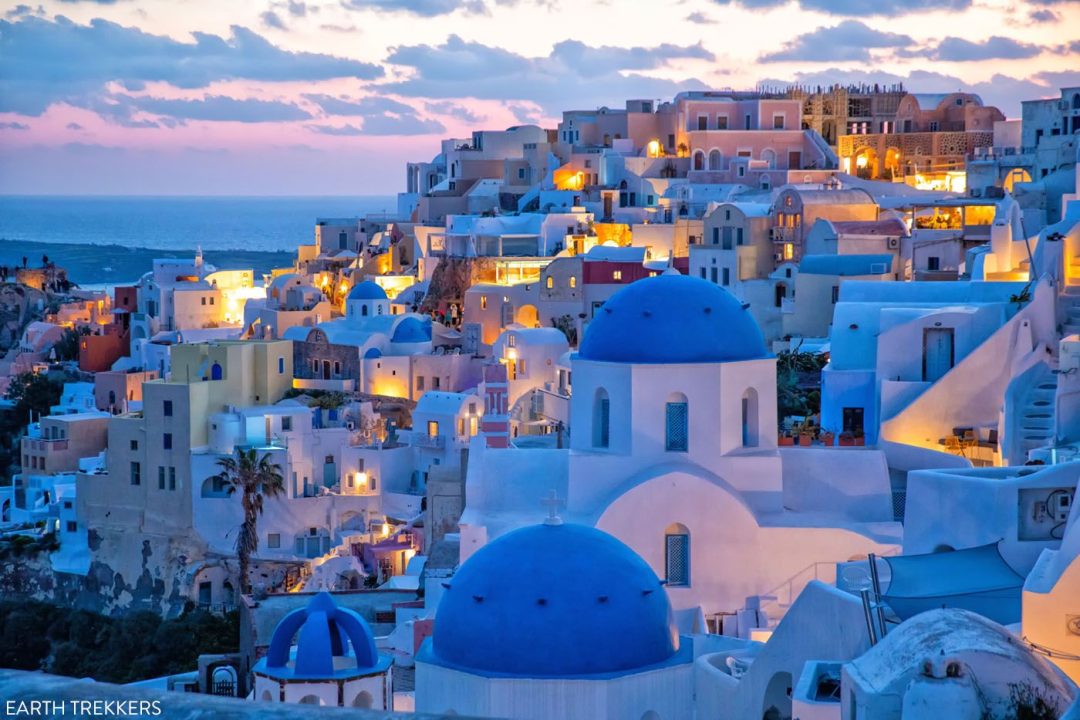
Greece has implemented a “Climate Resilience Fee,” varying by accommodation type and season (up to €10 per night for luxury hotels in peak season), to address climate stress and overcrowding, especially on islands like Santorini. Italy (notably Venice with its day-tripper fee), France, and Portugal are also experimenting with visitor caps, new taxes, and regulatory measures to strike a balance between tourism’s economic benefits and the preservation of local livelihoods and cultural identity.
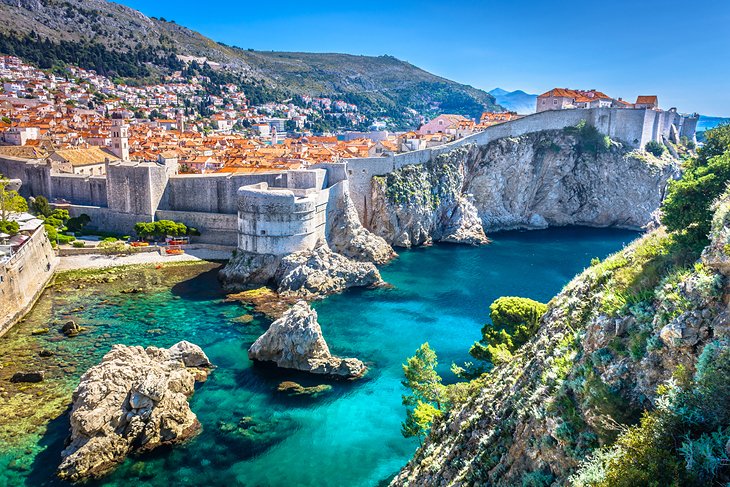
These developments signal a shift away from an era of unlimited access. Travelers to these European hotspots are now strongly encouraged to be more informed about local regulations, respect community concerns, and adopt sustainable travel practices to help ensure these destinations remain vibrant and livable.