
- The Seabourn Venture recently reached 70 degrees south, setting a new navigational record for the cruise line’s fleet.
- Advanced Polar Class ratings allow modern luxury ships to safely traverse ice that was previously impassable for passenger vessels.
- Expedition itineraries are expanding to include rare wildlife encounters and landings at historic sites like Mawson’s Huts in East Antarctica.
- Future grand expeditions include a full circumnavigation of Antarctica and 94-day voyages traveling from the Arctic to the Antarctic
The expedition cruise industry is reaching historic milestones as advanced vessels push further into the most remote regions of Antarctica. Recently, the Seabourn Venture achieved a company record by sailing to 70 degrees south, allowing guests to disembark onto the ice at George VI Sound for a unique celebration. This achievement is part of a broader trend where luxury expedition lines are utilizing state-of-the-art technology and changing ice conditions to explore territories that were previously inaccessible to commercial travel.
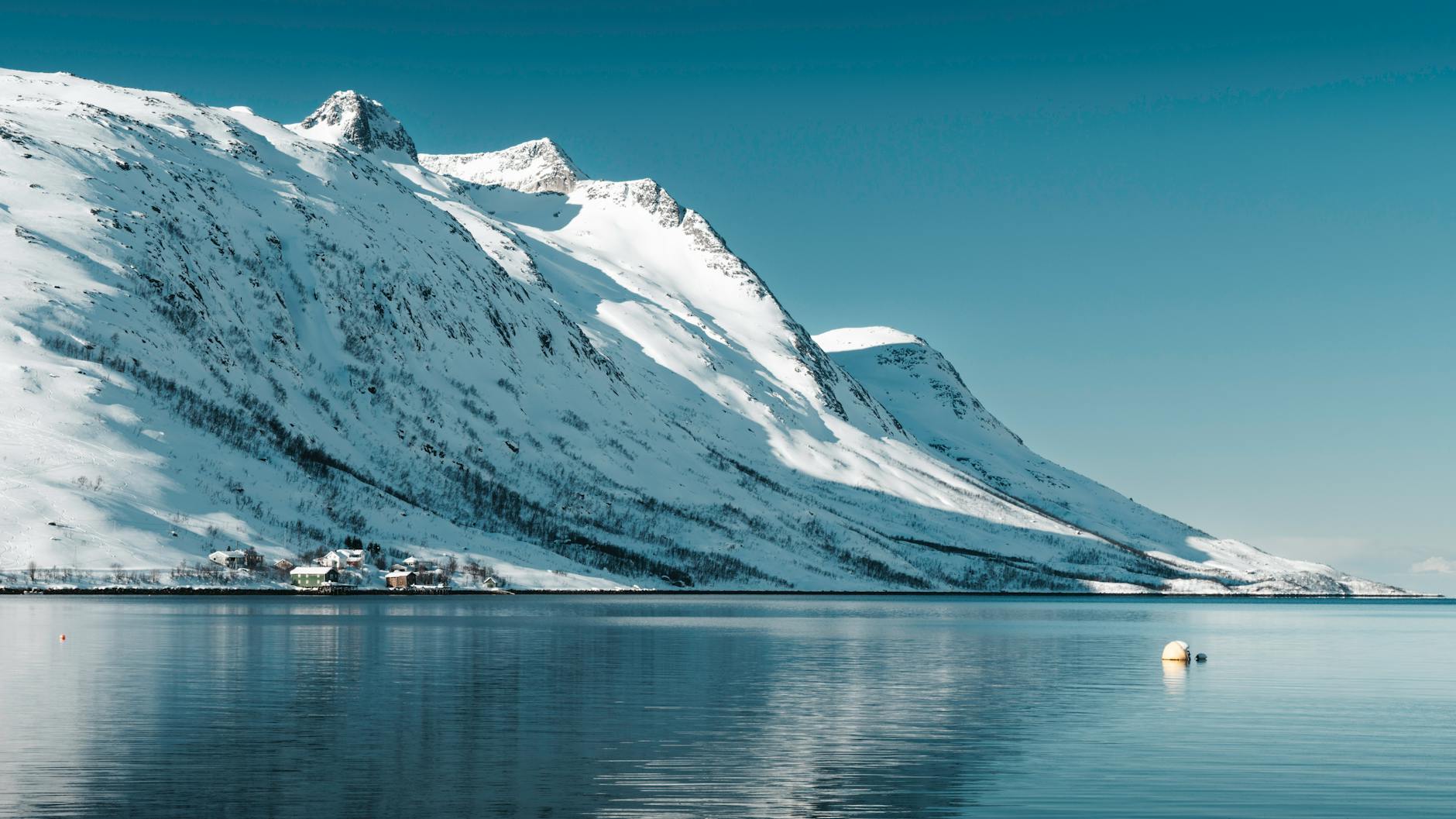
Leading the charge in these polar breakthroughs is Ponant’s Le Commandant Charcot, which holds a Polar Class 2 rating. This ship recently set a global record by reaching over 78 degrees south, demonstrating its ability to navigate through ice up to 2.5 meters thick. Other prominent lines, including Scenic and Silversea, are also expanding their horizons by utilizing specialized equipment like helicopters to land guests near rare emperor penguin breeding grounds at Snow Hill Island. These more ambitious itineraries are meeting a high global demand for “bucket list” travel experiences that combine rugged exploration with high-end luxury.
Looking toward the future, the scale of these expeditions continues to grow. Plans are already in place for the first complete circumnavigation of the Antarctic continent by a cruise ship in 2028. Additionally, unique “pole-to-pole” voyages are being introduced, spanning over 20,000 nautical miles from the high Arctic to the Antarctic Circle. As navigational channels open and ship capabilities improve, the opportunity for travelers to witness the raw beauty of East Antarctica and the Ross Sea is becoming a reality. These developments signify a new era of discovery where the boundaries of traditional cruising are being redefined by a spirit of adventure and technical excellence.