
- Super Typhoon Ragasa’s Strength: Ragasa is the most powerful tropical cyclone globally this year, reaching Category 5 equivalent winds before being downgraded to Category 4.
- Shenzhen, China Landfall Expected: The typhoon is anticipated to make landfall near Shenzhen, prompting extensive preparations in Guangdong province.
- Extensive Safety Measures: Over a million residents have been relocated, and schools and businesses are closed, with warnings of catastrophic flooding and high waves.
- Future Path and Comparisons: Ragasa is forecast to move westward towards Vietnam and Laos, and has been dubbed the “King of Storms,” drawing comparisons to Typhoon Mangkhut (2018).
East Asia is preparing for the arrival of Super Typhoon Ragasa, a truly powerful tropical cyclone, expected to make landfall near Shenzhen, China, today. This impressive storm, previously reaching peak winds of 162 mph (a Category 5 equivalent), is the most powerful in the world so far this year, showcasing nature’s immense forces. While it has since been downgraded to a Category 4-equivalent, authorities are diligently preparing for its impact.
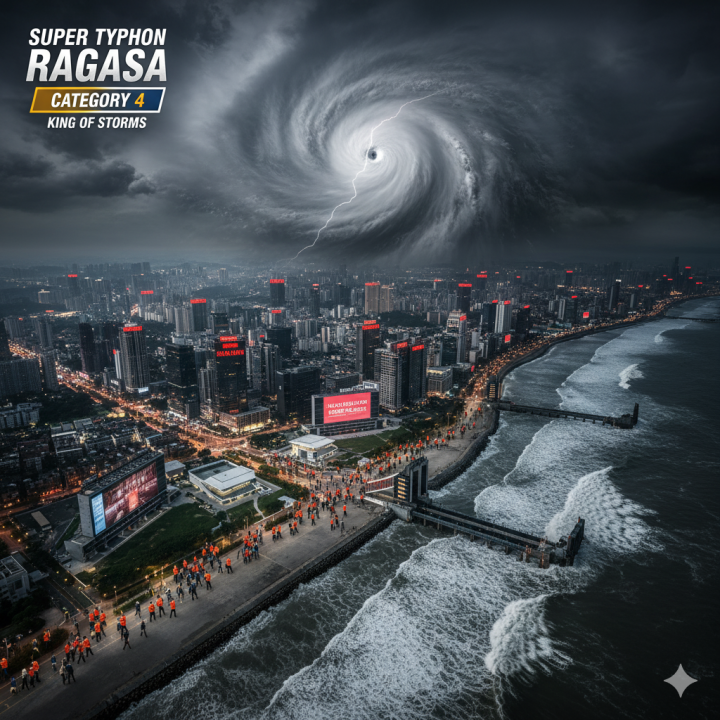
In Guangdong province, a vital southern financial hub, proactive measures are in full swing to ensure public safety. Schools and businesses have been temporarily closed, and over a million residents have been thoughtfully relocated. These commendable efforts aim to mitigate risks from anticipated catastrophic flooding and waves that could reach up to 21 feet. The typhoon’s arrival is expected to raise coastal water levels significantly, with some areas potentially seeing surges between 12 and 15 feet.
Earlier this week, the typhoon gracefully moved through the northern Philippines and eastern Taiwan, a testament to its broad reach. China’s meteorological agency has aptly named Ragasa the “King of Storms,” drawing comparisons to the memorable Typhoon Mangkhut of 2018. Looking ahead, Ragasa is forecast to continue its westward journey toward Vietnam and Laos, allowing other regions to prepare. These comprehensive preparations underscore a strong commitment to community safety and resilience in the face of such a formidable natural event.